John Deere Hood Specifications and Key Features
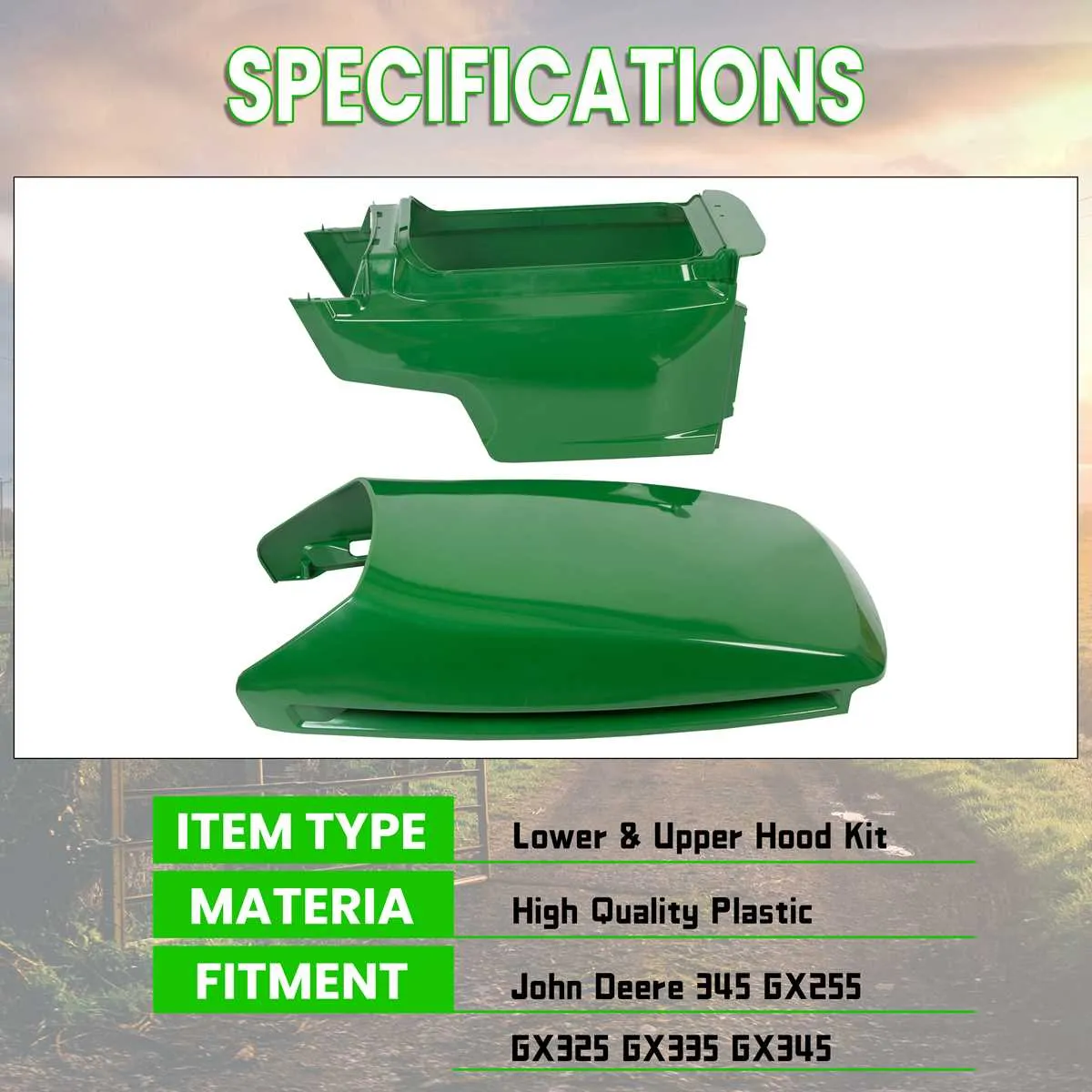
John Deere hoods are designed for durability and efficiency. Their specifications vary depending on the model and intended use, but all maintain a high standard of strength and performance. For instance, the materials used are typically reinforced composites or steel, ensuring both resistance to wear and ease of maintenance. The dimensions and mounting mechanisms are specifically tailored for each machine, allowing for easy replacement and minimal downtime.
The design of the hood plays a critical role in optimizing the airflow to the engine, which is vital for cooling performance. Proper airflow helps prevent overheating, especially in demanding conditions. For models like the John Deere 7R or 8R series, the hoods are shaped to enhance air intake while minimizing drag, contributing to overall efficiency during operation.
When selecting a replacement or upgrade, it’s essential to match the hood with the tractor’s model and serial number to ensure compatibility. Additionally, the color and finish of the hood can vary depending on the model, but John Deere hoods generally feature their signature green or yellow color scheme. For maximum longevity, regular cleaning and inspection are recommended, as dirt and debris buildup can hinder airflow and cause wear over time.
John Deere Hood Specifications
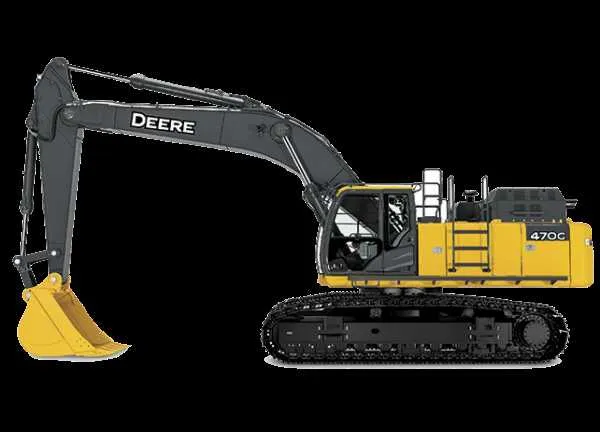
The John Deere hood is designed to provide both durability and efficient functionality for a wide range of tractor models. When selecting a replacement hood or considering modifications, it is important to focus on material quality, dimensions, and compatibility with the engine and other components. The following specifications outline key aspects of the John Deere hood:
- Material: High-strength steel or durable composite materials ensure resistance to harsh conditions and extended lifespan.
- Dimensions: The hood length, width, and height vary based on the model. For example, the standard hood length for most mid-range John Deere tractors is around 50 to 60 inches, with a width of approximately 30 to 36 inches.
- Weight: Typically, the hood weighs between 50 and 150 pounds, depending on the material and size of the tractor.
- Design Features: The hood features a vented design for improved airflow around the engine. Additionally, the shape is streamlined for optimal cooling and ease of maintenance.
- Mounting Points: The hood is designed with precise mounting points to align perfectly with the tractor chassis, ensuring a secure fit without compromising engine accessibility.
Before replacing or upgrading the hood, always verify the compatibility with your tractor model. Differences in engine size, cooling requirements, and accessory attachments can impact the hood’s design. For optimal performance, select a hood that meets the specifications outlined in your tractor’s manual.
Dimensions and Material Composition of John Deere Hoods
The hood of a John Deere tractor is engineered to provide durability while offering adequate protection to the engine and internal components. It is constructed using high-quality materials, including reinforced plastic and steel. This ensures longevity and resistance to external impacts while keeping the weight manageable for optimal performance.
The typical dimensions of John Deere hoods vary depending on the specific model and series. For example, the 5 Series tractors generally feature a hood length of approximately 50 to 60 inches, with a width of around 40 inches. This sizing provides a balance between accessibility for maintenance and structural integrity.
Material composition plays a key role in the hood’s performance. Most John Deere hoods are made from a combination of high-strength polyethylene and galvanized steel. Polyethylene offers lightweight characteristics and high resistance to corrosion, while galvanized steel adds strength, particularly in areas prone to wear and tear. Some models may incorporate additional reinforcements, such as fiberglass or composite materials, to further enhance durability.
Choosing the right hood material for specific tasks or environmental conditions is essential. For harsh weather conditions, reinforced plastic materials help in resisting UV degradation, while steel components ensure resistance to mechanical damage. Overall, the hood’s design and materials aim to combine strength, protection, and ease of maintenance.
Compatibility with Different John Deere Models
The John Deere hood is compatible with a range of models, but it’s important to check the specific year and series of your tractor. Generally, the hoods designed for the 5000 and 6000 series can also be used on many of their sub-models. However, for newer or more specialized versions, adjustments may be necessary.
For example, the hoods for the 5E series are often interchangeable with certain 5M models. The differences in dimensions and attachment points should be considered before attempting installation. For tractors in the 7R and 8R series, while the general hood design is similar, you may need to verify whether the engine and radiator mounting points align properly.
Older models, like the 7000 series, may have a slightly different mounting system and hood shape, requiring modification or specific parts for a secure fit. Always confirm with a John Deere dealer for the most accurate compatibility information and possible modifications.
Maintenance and Replacement Guidelines for John Deere Hoods
Regularly inspect the John Deere hood for signs of wear, cracks, or damage. Check for any loose or damaged components, including the hinges and latch mechanisms. Lubricate the hinges with a light machine oil to ensure smooth operation.
For cleaning, use mild soap and water, avoiding harsh chemicals that could damage the paint or material. Dry the hood thoroughly to prevent rust formation, especially around metal parts.
If a replacement is necessary, ensure compatibility with the specific John Deere model. Always use original or manufacturer-approved parts to maintain the integrity and fit. Before installing a new hood, confirm that the mounting hardware and supports are intact and securely in place.
When replacing the hood, follow the manufacturer’s guidelines for removal and installation. Carefully disconnect any electrical components or connections before removing the hood. Reinstall the hood by reversing the removal steps and ensuring all fasteners are tightened to the recommended torque specifications.
Monitor the hood’s condition regularly and address any issues promptly to prevent further damage. Proper maintenance will extend the life of the hood and maintain the overall performance of the machine.