John Deere Industrial Engine Torque Specifications for Optimal Performance
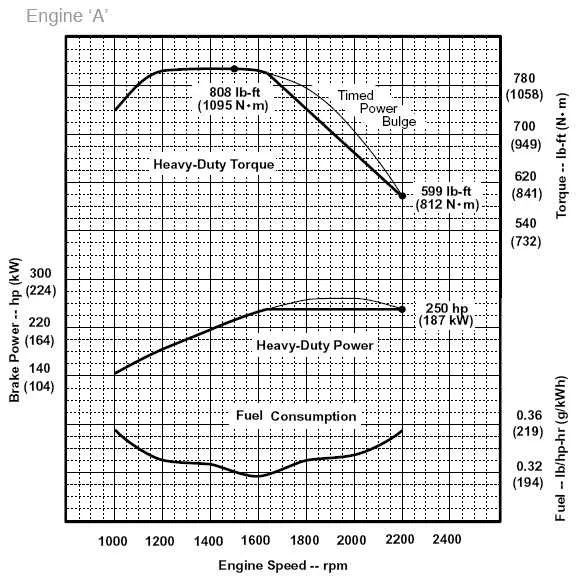
For precise performance, the torque settings of John Deere industrial engines must be adhered to closely. Each component, from the cylinder head to the flywheel, requires specific torque values to ensure optimal operation and longevity. Correctly tightening bolts to the recommended torque specifications prevents damage and guarantees reliability in demanding conditions.
Refer to the service manual for detailed torque values for individual engine parts. Exceeding or under-tightening bolts may lead to mechanical failure, increased wear, or even unsafe operating conditions. Torque settings vary based on engine model and application, so always consult the exact specifications for your machine.
Regular maintenance and accurate torque application will prolong the life of the engine and minimize the need for repairs. Proper torque not only ensures the stability of moving parts but also contributes to fuel efficiency and optimal engine performance during operation.
John Deere Industrial Engine Torque Specs
For optimal performance, it is critical to adhere to the specific torque values outlined for John Deere industrial engines. Tightening components to the correct torque specifications ensures that each part functions correctly, avoiding damage and prolonging the engine’s lifespan.
Always consult the engine’s service manual to determine the precise torque values for each component, as they can vary depending on the model and year of production. For instance, cylinder head bolts typically require higher torque compared to accessory components like alternators or air filters.
Use a calibrated torque wrench to achieve accurate results. When tightening bolts, apply the torque in a gradual and even manner, avoiding sudden jerks to prevent bolt breakage or misalignment. In cases where a specific tightening sequence is recommended (such as for cylinder heads), follow the instructions precisely to ensure uniform pressure distribution.
Be aware of the engine’s service intervals and torque re-checks. Some parts, like cylinder heads, may require a re-torque after a set number of operating hours or after an initial warm-up cycle to ensure stability.
Recommended Torque Values for Key Engine Components
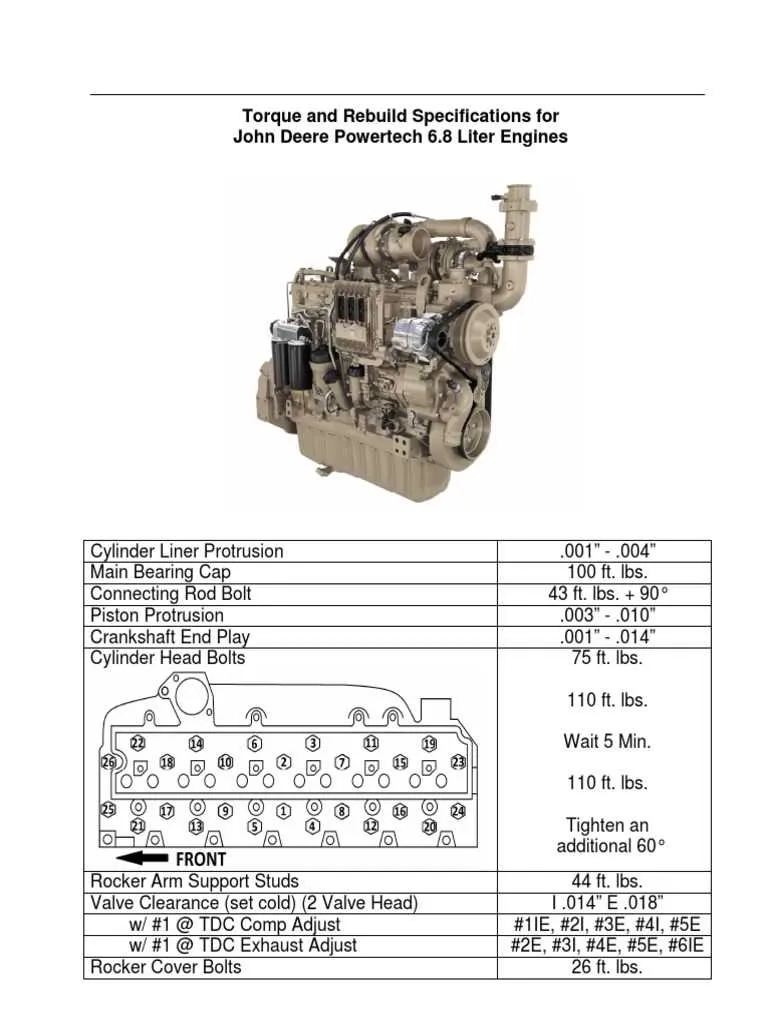
The torque specifications for key engine components are critical for maintaining proper performance and reliability. Follow these guidelines to ensure that each part is tightened correctly.
Cylinder Head Bolts: Tighten the cylinder head bolts to 120 Nm (88 ft-lb). This ensures a secure seal and prevents any leakage from the combustion chamber.
Connecting Rod Bolts: For connecting rods, the recommended torque is 45 Nm (33 ft-lb). This value prevents any movement that could damage the engine or cause inefficiency.
Crankshaft Pulley Bolt: The crankshaft pulley bolt should be torqued to 150 Nm (111 ft-lb). Proper tightening here is vital to prevent belt slippage and ensure smooth engine operation.
Oil Pan Bolts: Oil pan bolts should be tightened to 18 Nm (13 ft-lb) to avoid leakage without over-tightening, which could cause the gasket to deform.
Timing Gear Bolts: Tighten the timing gear bolts to 65 Nm (48 ft-lb). This ensures that the timing mechanism remains synchronized with the engine’s cycles.
Exhaust Manifold Bolts: Tighten exhaust manifold bolts to 30 Nm (22 ft-lb) to avoid leaks while ensuring that the manifold stays in place under high temperatures.
Ensure that each bolt is torqued in the correct sequence and that no part is over-tightened to prevent damage. Regularly check the torque values as part of your engine maintenance routine.
Proper Torque Sequence for Assembly and Maintenance
Always follow the manufacturer’s specified torque values and sequence when assembling or maintaining John Deere industrial engines. Begin by tightening bolts in a crisscross pattern to ensure even pressure distribution across components. This approach prevents warping and ensures optimal sealing, especially on cylinder heads and engine blocks.
Start with the center bolts and work your way outward. For multi-stage tightening, follow the recommended steps: first, snug the bolts to a lower torque value, then progressively increase the torque to the final specification in multiple passes. This staged tightening helps prevent distortion and ensures a secure fit.
Pay close attention to torque values for critical components such as the cylinder head, main bearings, and connecting rods. Use a calibrated torque wrench for accuracy and avoid overtightening, which can lead to gasket failure or component damage.
For maintenance, always check bolt tightness periodically, especially after engine operation. Thermal expansion can cause bolts to loosen, and maintaining proper torque will help prolong engine life and efficiency.
Common Mistakes in Torque Application and How to Avoid Them
Over-tightening or under-tightening bolts is a frequent mistake in torque application. Ensure torque values match manufacturer specifications for each bolt type and component. Using a calibrated torque wrench is key to achieving accurate results. Do not rely on “feel” alone when tightening bolts.
Inconsistent torque sequence can cause uneven pressure, leading to warped components. Always follow the recommended tightening pattern to distribute pressure uniformly across the surface. This is critical when assembling complex parts like cylinder heads or manifolds.
Ignoring lubrication recommendations can affect the torque reading. If the manual specifies lubrication, apply it as instructed. Lubrication reduces friction and allows for more accurate torque application. Failure to lubricate can result in inaccurate readings and potential damage.
Using the wrong torque wrench type or incorrect settings is another common issue. Ensure you are using a suitable torque wrench for the job and calibrate it regularly to maintain accuracy. Digital torque wrenches are often more precise but should be handled with care to avoid error.
- Double-check torque wrench calibration regularly.
- Use the correct torque value for each specific component.
- Follow the correct tightening sequence as per the manual.
- Lubricate components when required to reduce friction.
Never attempt to reuse bolts without inspecting their condition. Stripped or deformed bolts can affect the torque application and jeopardize the integrity of the assembly. Replace damaged bolts promptly to ensure proper sealing and secure assembly.