Detailed Specifications for John Deere 240 Tractor Model
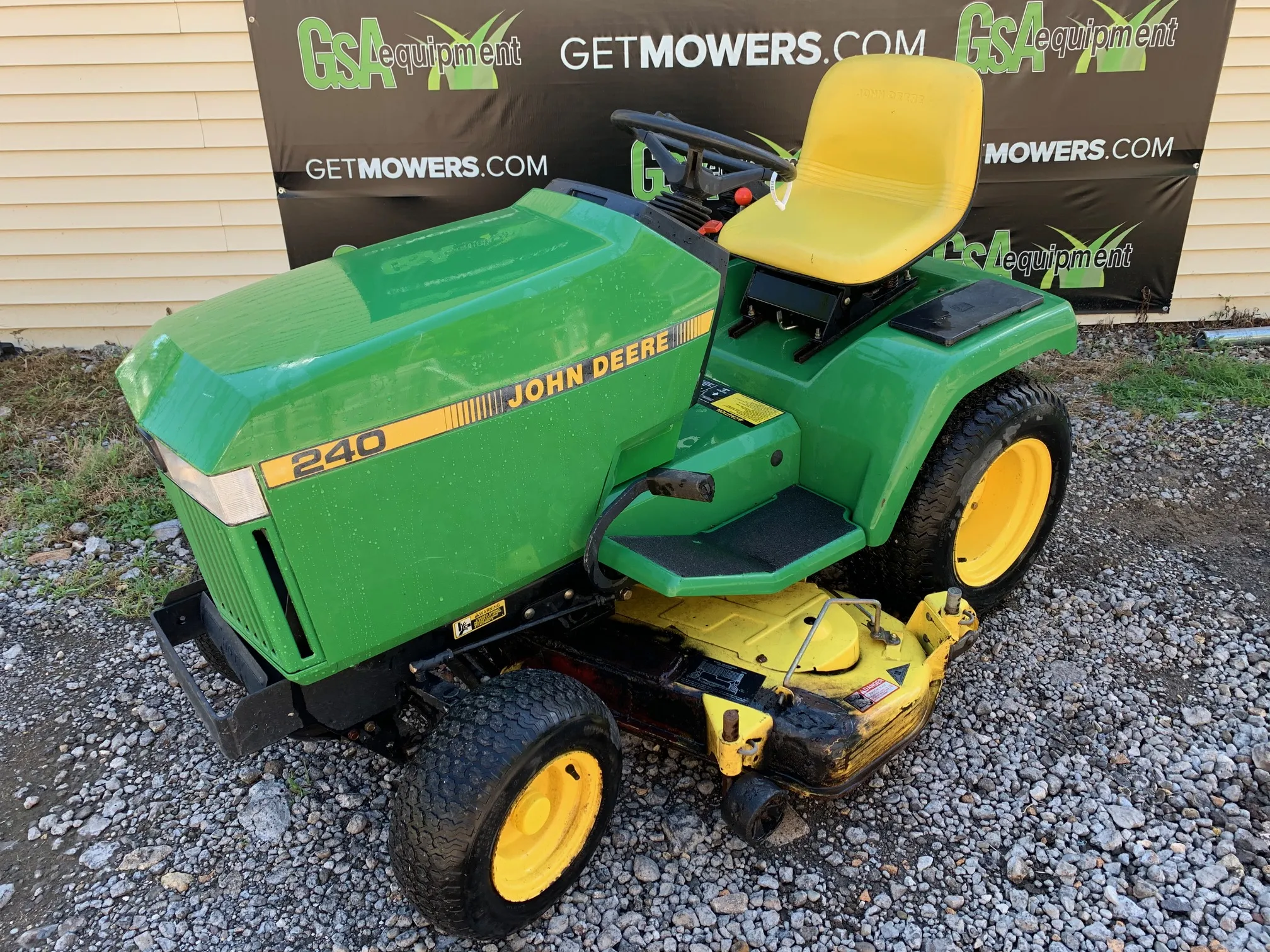
The John Deere 240 is a reliable and versatile lawn tractor designed for both residential and light commercial use. With a robust engine and user-friendly features, it stands out in the entry-level category. Equipped with a 14-horsepower Kohler engine, it delivers solid performance for mowing and yard maintenance tasks.
One of the key features of the John Deere 240 is its hydrostatic transmission, allowing smooth and precise speed control. The 38-inch mowing deck offers excellent maneuverability and a clean cut, making it ideal for medium-sized lawns. The tractor’s ergonomically designed seat and simple control layout enhance user comfort, even during extended periods of operation.
The cutting height is adjustable, offering six different settings, from 1 to 4 inches, providing flexibility depending on grass type and desired finish. For maintenance, the mower deck is easy to clean, reducing downtime and ensuring that the tractor stays in top condition. The John Deere 240 also boasts solid durability, with a steel frame and long-lasting components that can withstand frequent use.
Specs for John Deere 240
The John Deere 240 is equipped with a 14-horsepower Kohler engine, providing reliable power for a variety of tasks. It features a 38-inch deck, perfect for residential lawns, delivering a clean and precise cut. The hydrostatic transmission ensures smooth speed control and minimal maintenance, making it easy to adjust between forward and reverse with no need for gear shifting.
With a weight of around 450 pounds, the John Deere 240 is both stable and capable of handling moderate to tough terrain. Its fuel tank holds up to 3.3 gallons of gasoline, giving it an efficient runtime for smaller to medium-sized properties. The mower’s front and rear tires are sized 15×6.00-6 and 20×8.00-8 respectively, providing good traction and a stable ride.
The 240 features a manual lift system for the cutting deck, allowing for simple height adjustments ranging from 1 to 4 inches. This flexibility ensures you can maintain the ideal cutting height for various grass types and seasons. The mower also includes a convenient mulching option, enabling efficient grass clippings management.
Designed for durability and ease of use, the John Deere 240 stands as a reliable choice for homeowners seeking a straightforward lawn mower with solid performance and low upkeep.
Engine Performance and Specifications of John Deere 240
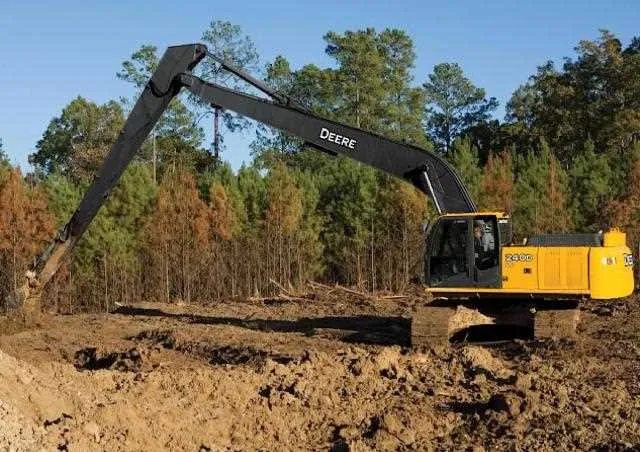
The John Deere 240 is equipped with a reliable Kawasaki FH680V V-twin engine, delivering 23 horsepower at 3,600 RPM. This engine ensures solid performance for a variety of tasks, from light residential use to more demanding applications. With a displacement of 603cc, it offers a good balance of power and fuel efficiency, making it ideal for homeowners and small acreage owners.
The engine features a dual-element air cleaner, providing optimal filtration even in dusty environments. Its oil capacity is 2.0 quarts, which helps in maintaining smooth operation for longer periods. The engine is air-cooled, and its overhead valve design (OHV) improves both performance and longevity by reducing heat and friction.
Fuel consumption is moderate, with a 4.5-gallon tank allowing for extended use before needing to refuel. The machine operates efficiently under various load conditions, maintaining consistent speed without significant power loss. This makes it a reliable choice for both mowing and light hauling tasks around the yard.
Maintenance is simplified with easy access to key components such as the oil filter and spark plugs, which are conveniently located for quick servicing. The engine’s robust design and easy maintenance contribute to the John Deere 240’s durability and long service life.
Maintenance Requirements for John Deere 240 Model
Regular maintenance of the John Deere 240 ensures optimal performance and longevity. Adhering to the following tasks will keep the machine running smoothly throughout its lifecycle.
| Maintenance Task | Frequency | Details |
|---|---|---|
| Oil Change | Every 100 hours or annually | Use SAE 10W-30 oil. Replace the oil filter with each oil change to prevent buildup of contaminants. |
| Air Filter | Every 50 hours or as needed | Clean the air filter if operating in dusty conditions. Replace it annually or when visibly damaged. |
| Fuel Filter | Every 200 hours | Replace the fuel filter to ensure proper fuel flow and engine performance. Check for leaks and debris. |
| Hydraulic Fluid | Every 100 hours or as needed | Check the hydraulic fluid level regularly. Change it every 500 hours or as recommended by the manufacturer. |
| Battery | Inspect every 25 hours | Clean the battery terminals and check for corrosion. Ensure that the battery is charged properly and replace it if necessary. |
| Tire Pressure | Every 50 hours | Check tire pressure regularly to maintain traction and reduce wear. Adjust to the recommended PSI listed in the operator’s manual. |
| Spark Plugs | Every 100 hours | Inspect spark plugs for wear and replace if necessary to ensure smooth engine operation and fuel efficiency. |
| Cooling System | Every 100 hours | Check the radiator and cooling system. Clean debris from the radiator and ensure coolant levels are adequate. |
By staying on top of these maintenance tasks, the John Deere 240 will operate efficiently, reducing downtime and extending its service life.
Understanding the Hydraulic System of John Deere 240
The hydraulic system in the John Deere 240 is designed to provide the power needed for various attachments and implements. It operates using a combination of hydraulic fluid, pumps, valves, and cylinders to transfer force efficiently. Here’s what you should know to keep it running smoothly:
- Hydraulic Pump: The John Deere 240 is equipped with a gear-type hydraulic pump, capable of producing up to 7.8 GPM (gallons per minute). This pump ensures that the hydraulic fluid is pressurized and delivered to the system components.
- Hydraulic Fluid: Use high-quality, clean hydraulic fluid with a viscosity grade of ISO 46 for optimum performance. Dirty or low fluid levels can cause inefficient operation or even damage to the system.
- Hydraulic Valves: The system has various control valves to direct the flow of hydraulic fluid to specific functions, such as the loader or backhoe. Check for leaks or malfunctions regularly to ensure smooth operation.
- Pressure Relief Valve: This valve helps maintain safe pressure levels within the system. If the pressure exceeds safe limits, the valve opens to release excess pressure, preventing damage to the hydraulic components.
- Hydraulic Cylinders: These cylinders, found in attachments like the loader, provide the force to move equipment. Regular inspection for wear and leaks is crucial for maintaining efficient hydraulic action.
Regular maintenance and timely fluid changes will keep the system functioning at its best, avoiding unnecessary repairs and downtime.