John Deere 35G Specifications and Features Overview
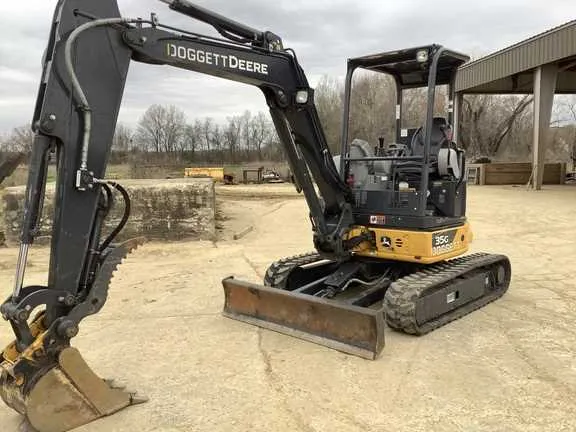
The John Deere 35G compact excavator offers reliable power and impressive versatility for any job site. Equipped with a powerful 23.3 hp engine, this model ensures smooth operation even in tough conditions. Its compact size allows for easy maneuvering in confined spaces while maintaining high performance.
The 35G features a digging depth of 9 feet 6 inches, allowing operators to reach deeper trenches and complete tasks with greater efficiency. With a bucket digging force of 5,060 pounds, it handles demanding tasks with ease. The machine’s transport weight of 7,500 pounds ensures convenient mobility between job sites without sacrificing its rugged build.
Its spacious operator station prioritizes comfort, with easy-to-use controls and clear visibility of the work area. The hydraulics system is designed for efficiency, offering improved lifting and digging capabilities. The 35G’s 5.6-foot width ensures excellent stability while working on uneven terrain, making it an ideal choice for tight spaces or residential construction.
John Deere 35G Specs
The John Deere 35G offers a compact and highly versatile design, making it perfect for tight spaces and demanding jobs. With an operating weight of 7,440 lbs (3,370 kg), it combines power and maneuverability. Its 24.8 horsepower (18.5 kW) engine delivers optimal performance for excavation and material handling tasks.
Its hydraulic system operates at a pressure of 3,290 psi (22,700 kPa), with a pump capacity of 17.4 gpm (65.9 L/min). This allows for quick, responsive movement of attachments, improving job site efficiency. The digging depth reaches 10 ft 5 in (3.17 m), while the reach at ground level extends to 17 ft 6 in (5.33 m), ideal for reaching over obstacles and digging in hard-to-reach areas.
Standard tracks are 12.6 inches (320 mm) wide, providing stability on uneven ground. The undercarriage has an impressive swing torque of 5,299 lb-ft (7,179 Nm), contributing to better lifting and loading capabilities.
Cab features include a user-friendly interface, with easily accessible controls and a climate-controlled environment. Visibility around the machine is excellent, thanks to its wide glass panels and low profile.
For those requiring attachment versatility, the John Deere 35G is compatible with a wide range of buckets, hydraulic hammers, and other accessories. Maintenance is straightforward, with easy access to engine components and filters, minimizing downtime on the job.
Engine Performance and Fuel Efficiency of the John Deere 35G
The John Deere 35G is equipped with a powerful Yanmar 3TNV88F engine, providing 24.8 horsepower. This compact engine is designed to offer consistent performance while keeping fuel consumption low. Thanks to its design, the 35G strikes a balance between power and efficiency, making it suitable for a wide range of tasks, from digging to lifting heavy materials.
Fuel efficiency is a standout feature of the 35G. With an advanced hydraulic system and an optimized engine, the machine delivers reliable power without excessive fuel consumption. Under normal operating conditions, the 35G consumes approximately 1.5-2.0 gallons of fuel per hour, depending on workload. This allows operators to maximize productivity while reducing operating costs.
The engine’s electronic control unit (ECU) helps regulate fuel usage, adjusting to the load and work demands. This ensures the engine runs efficiently at all times, avoiding overuse of fuel during lighter tasks. This feature helps the 35G maintain optimal engine performance while conserving fuel during less intensive work.
In terms of emissions, the 35G complies with the latest Tier 4 Final standards, contributing to a cleaner environment without sacrificing power. The engine’s design and fuel system minimize exhaust output, making it a more eco-friendly choice in the compact excavator category.
Hydraulic System and Lift Capacity of the John Deere 35G
The John Deere 35G is equipped with a hydraulic system that provides powerful and efficient performance for a variety of tasks. With a maximum operating pressure of 3,450 psi, the machine delivers reliable hydraulic force, making it suitable for demanding applications like digging, lifting, and lifting heavy loads.
The lift capacity of the John Deere 35G is particularly noteworthy. It has a maximum lift capacity of 7,300 lbs (3,311 kg) at the ground level, ensuring that it can handle most medium-duty lifting tasks with ease. The boom height reaches up to 12 feet 6 inches, providing a great range for high-reaching jobs.
The hydraulics system is designed to minimize downtime. With a pump flow rate of 25.5 gpm (96.4 l/min), the system offers quick response and increased productivity, particularly when performing repetitive tasks such as lifting or operating attachments. Operators can expect consistent power, even during long working hours.
In terms of breakout force, the John Deere 35G is rated at 9,785 lbf (43.5 kN) at the bucket. This allows the machine to easily move material and dig into tough soil without strain. The auxiliary hydraulics system is capable of supporting additional attachments, giving operators versatility for various jobs.
- Max lift capacity: 7,300 lbs (3,311 kg)
- Maximum boom height: 12 ft 6 in (3.81 m)
- Hydraulic pump flow rate: 25.5 gpm (96.4 l/min)
- Breakout force: 9,785 lbf (43.5 kN)
- Operating pressure: 3,450 psi (23.8 MPa)
The hydraulic system and lift capacity of the John Deere 35G make it an excellent choice for operators who need consistent and powerful performance in compact excavation and lifting tasks.
John Deere 35G Maintenance and Service Intervals
Follow the manufacturer’s maintenance schedule to keep your John Deere 35G in top working condition. Perform an engine oil and filter change every 500 hours or at least once a year. Regular oil changes ensure the engine runs smoothly and prevents premature wear.
Inspect the hydraulic oil every 500 hours or once a year. Replace it every 1,000 hours to maintain hydraulic system performance. Clean the hydraulic return filter and check the hydraulic system for leaks regularly.
Clean or replace the air filter every 500 hours. If operating in dusty conditions, clean the filter more frequently to avoid engine strain. The fuel filter should also be replaced every 500 hours to prevent fuel system issues.
Inspect the cooling system and clean the radiator every 500 hours or as needed. Ensure the coolant is at the correct level and condition. Flush the system every 2,000 hours for optimal engine cooling.
Check the track tension and adjust it as needed every 250 hours. Keeping the tracks properly tensioned helps prevent damage and improves overall machine efficiency.
Grease the machine’s grease points every 10-20 hours, depending on operating conditions. Regular greasing protects pins, bushings, and other components from wear and corrosion.
Perform a final inspection every 2,000 hours to check the engine, transmission, undercarriage, and other critical parts. Replace worn components to maintain reliability and performance.
Follow the operator’s manual for specific guidelines and adjust service intervals based on your operating conditions for best results.