John Deere 7750 ProDrive Specifications and Key Features
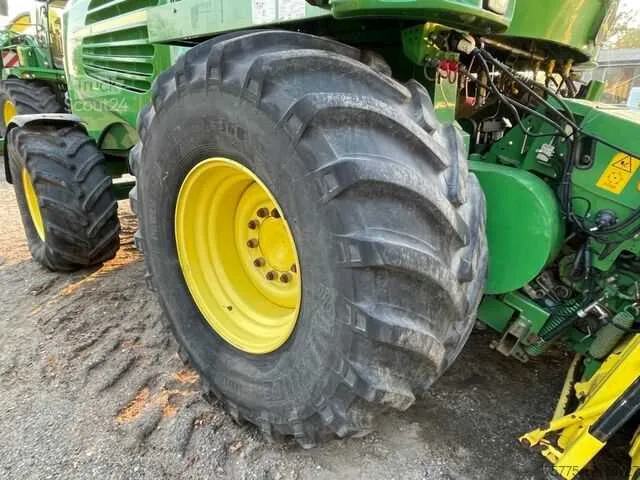
Experience unmatched performance with the John Deere 7750 ProDrive. This high-efficiency harvester offers advanced powertrain technology that enhances fuel economy and boosts productivity in the field. With a focus on optimum power output, the ProDrive transmission provides seamless shifting and an improved operator experience. You can rely on this system to handle any task with minimal effort and maximum speed.
The engine specifications of the 7750 are tailored to provide maximum torque and reliability. Powered by a 6-cylinder engine, it delivers consistent output even under heavy load conditions. This robust engine ensures that each pass is done with minimal maintenance and downtime, allowing operators to work efficiently throughout the day.
For those looking for high-end harvesting capabilities, the 7750 ProDrive offers cutting-edge features like advanced hydraulics and precise yield monitoring. These features not only enhance productivity but also ensure that the harvested crop is handled with care, reducing any potential losses during the process.
John Deere 7750 ProDrive Specifications
The John Deere 7750 ProDrive is equipped with a 9.0L PowerTech engine, delivering 480 horsepower to efficiently handle demanding tasks. The ProDrive transmission allows seamless shifting between two speeds, optimizing both field and road operations. Its drivetrain system is designed for quick acceleration and smooth operation, reducing strain on both the machine and operator.
The combine’s cutting width can reach up to 10.7 meters, ensuring maximum efficiency in harvesting large fields. It incorporates a variable feeding system, which adjusts to different crop types, ensuring a consistent and optimal flow of material into the threshing system. This allows for improved separation and less waste.
Equipped with a durable grain tank, the 7750 ProDrive can hold up to 12,000 liters of grain, minimizing downtime during operation. The unloading auger offers a rapid discharge rate of 100 liters per second, enabling quicker transitions between fields. The cleaning system has been enhanced with a large sieve area to ensure superior grain quality and minimize contaminants.
The combine also includes advanced precision farming technology. Integrated GPS and auto-steering systems ensure the most efficient path is taken, minimizing overlap and optimizing fuel consumption. The operator’s cab is designed for comfort, featuring an intuitive display and ergonomic controls, allowing the driver to monitor and adjust settings without distraction.
In terms of maintenance, the John Deere 7750 ProDrive is engineered for ease of service. Key components such as the engine and transmission are accessible for routine checks and repairs, reducing downtime during the busy harvest season.
Engine Power and Fuel Efficiency
The engine of the John Deere 7750 ProDrive delivers robust performance, with a rated power output of 530 horsepower, providing the necessary strength to handle demanding tasks without compromising fuel consumption. With the innovative fuel system, this model achieves optimal combustion efficiency, translating into lower fuel consumption over extended working hours.
Key features contributing to fuel efficiency include:
- Advanced fuel injection technology that optimizes fuel delivery based on load and engine speed.
- Variable fan drive, reducing engine load and saving fuel during lighter operations.
- Precision-controlled engine management system that ensures fuel is used efficiently across various operational conditions.
For operators looking to maximize fuel savings, it is crucial to monitor engine load and adjust speed accordingly. Operating at optimal RPM ranges allows for the most efficient use of fuel, ensuring that the engine’s performance and fuel consumption remain balanced.
In practice, the fuel efficiency of the John Deere 7750 ProDrive can be significantly improved through regular maintenance, including keeping the air filters clean and ensuring that the fuel system is free from blockages. This maintenance extends both the engine’s lifespan and its ability to maintain high performance while keeping fuel consumption low.
Transmission and Drive System Features
The John Deere 7750 ProDrive system combines advanced transmission technology with reliable drive features to maximize operational efficiency. It features a robust variable-speed transmission, providing seamless power transfer for various agricultural tasks. This system adjusts smoothly to different working conditions, offering consistent performance during harvesting or transport operations.
The ProDrive transmission is specifically engineered for high-torque applications, ensuring durability under heavy load conditions. The inclusion of a high-efficiency cooling system helps maintain optimal performance even in challenging environments, preventing overheating during extended operations.
The drive system integrates an electronic control unit (ECU), which continuously monitors and adjusts the transmission settings. This results in smoother shifts and reduced power loss, contributing to better fuel efficiency. Operators benefit from an intuitive interface that provides real-time feedback on transmission performance, making it easier to manage power delivery for specific tasks.
For added convenience, the system offers manual and automatic modes, allowing operators to choose the most suitable mode for their working preferences. The automatic mode optimizes gear changes, while the manual mode gives more control over engine speed and gear selection.
Overall, the transmission and drive system in the John Deere 7750 ensures a well-balanced performance that supports both speed and power demands across different agricultural applications.
Maintenance and Service Requirements
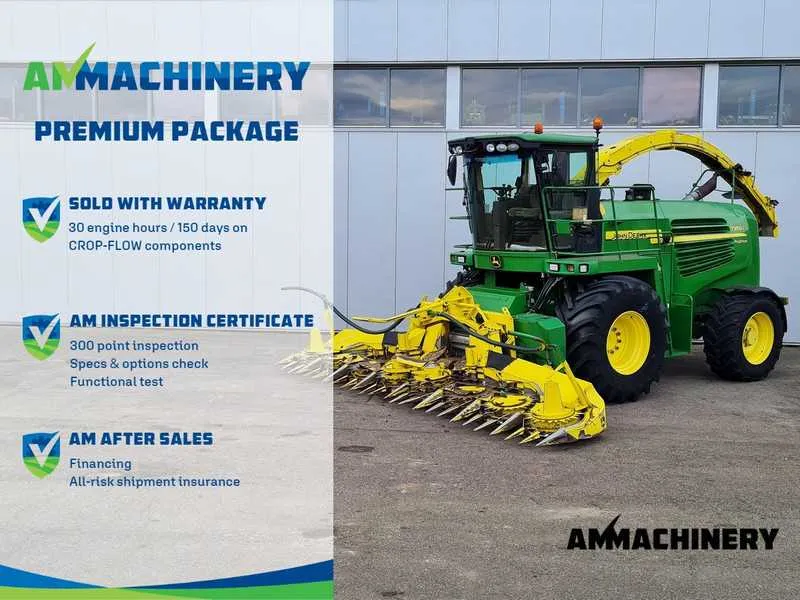
Regular maintenance of the John Deere 7750 ProDrive ensures reliable performance and extends the machine’s lifespan. Focus on key service intervals like engine oil changes, air filter replacements, and cooling system checks. Follow the manufacturer’s recommended schedules for these tasks to maintain peak operational efficiency.
Check and clean the air filters every 250 hours of operation to prevent engine performance degradation. Replacing filters promptly keeps the engine running smoothly and improves fuel efficiency.
Inspect the cooling system every 500 hours. Clean the radiator and ensure the coolant is at the correct level. Overheating can lead to serious engine damage, so addressing cooling issues early prevents costly repairs.
Change the engine oil and replace the oil filter every 500 hours or at least once per season. Use high-quality oil to ensure proper lubrication and reduce wear on engine components.
Inspect and replace hydraulic filters at 500-hour intervals. Ensure that hydraulic fluid levels are within the recommended range, as low fluid can cause system failure.
Grease all pivot points and joints regularly, especially those on the drive system, to prevent excessive wear and reduce the risk of mechanical failure. Aim for at least every 100 operating hours.
Monitor tire pressure to avoid uneven wear. Maintain recommended tire pressure to improve fuel efficiency and prevent unnecessary wear on the drivetrain.
Perform a full machine inspection before each season starts. Check all systems, including the transmission, steering, and brakes, to identify any potential issues early. Keep detailed records of all maintenance activities to ensure consistency and ease troubleshooting.