John Deere Skid Steer Models Specifications and Key Features Breakdown
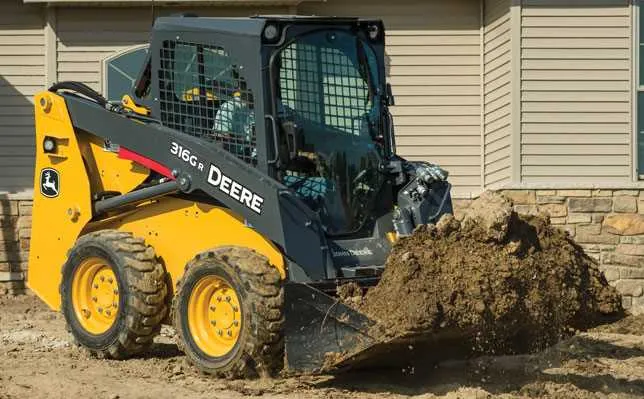
When choosing a skid steer, John Deere stands out with a wide range of reliable models that offer impressive performance. Each model is engineered for different types of work, from light landscaping to heavy-duty construction tasks. For those looking to maximize productivity, understanding the specifications of John Deere skid steer models can provide a clear advantage in selecting the right equipment for specific needs.
The John Deere 313G is ideal for tasks requiring compact maneuverability and efficient operation. It delivers 74 horsepower with a lifting capacity of up to 1,750 lbs, making it a solid choice for smaller jobs that need precise control. On the other hand, the John Deere 317G ups the ante with 70 horsepower and a higher lifting capacity of 1,900 lbs, catering to more demanding work environments without compromising agility.
For those who need more power, the John Deere 320G offers 74 horsepower and a rated operating capacity of 2,000 lbs, with additional enhancements in fuel efficiency and ease of maintenance. The John Deere 324L, a mid-range model, brings 74 horsepower to the table but adds a turbocharged engine for increased power and capability, making it ideal for construction and material handling tasks.
The John Deere 332G features 100 horsepower, giving it the muscle required for larger tasks. With a rated operating capacity of 3,300 lbs, this model is perfect for moving heavy loads in tough environments. Coupled with advanced hydraulic systems, this machine handles attachments with ease, ensuring maximum versatility on the job site.
John Deere’s skid steer models are designed to enhance productivity and reduce downtime, with user-friendly features like high-efficiency hydraulics, durable components, and excellent visibility. Whether you need precision or raw power, the specifications of each model offer tailored solutions to meet diverse operational needs.
John Deere Skid Steer Models Specs
John Deere offers a range of skid steer models designed for various tasks, from construction to landscaping. Here are the key specifications for some of their popular models:
John Deere 316GR
- Rated Operating Capacity: 1,600 lbs
- Operating Weight: 5,860 lbs
- Engine Power: 49.4 hp
- Lift Height: 112.4 in
- Auxiliary Hydraulic Flow: 16.4 gpm
- Ground Clearance: 7.5 in
- Width: 63 in
John Deere 318G
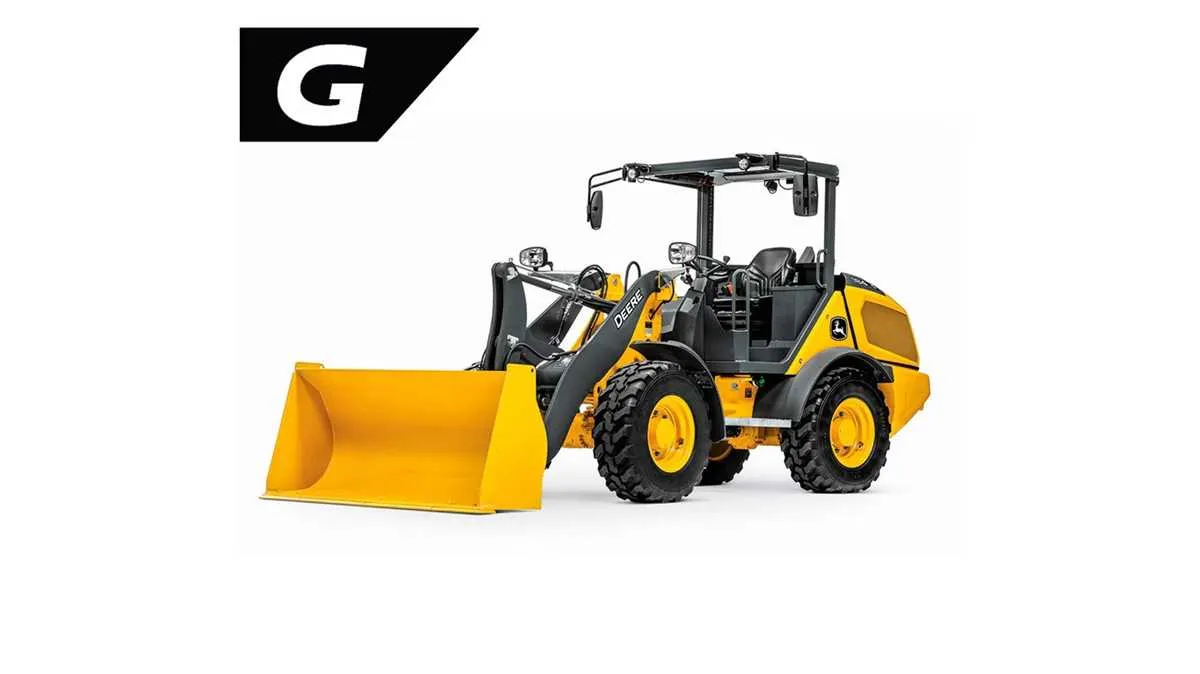
- Rated Operating Capacity: 1,800 lbs
- Operating Weight: 6,280 lbs
- Engine Power: 61.6 hp
- Lift Height: 118 in
- Auxiliary Hydraulic Flow: 17.4 gpm
- Ground Clearance: 8.5 in
- Width: 68 in
John Deere 324G
- Rated Operating Capacity: 2,400 lbs
- Operating Weight: 7,515 lbs
- Engine Power: 74.3 hp
- Lift Height: 130 in
- Auxiliary Hydraulic Flow: 23.5 gpm
- Ground Clearance: 9.1 in
- Width: 74.8 in
John Deere 332G
- Rated Operating Capacity: 3,300 lbs
- Operating Weight: 10,610 lbs
- Engine Power: 99.8 hp
- Lift Height: 133 in
- Auxiliary Hydraulic Flow: 29.2 gpm
- Ground Clearance: 9.6 in
- Width: 79.9 in
For those requiring more power and reach, the 332G offers higher lift capacity and hydraulic flow, while the 316GR is ideal for lighter tasks with a more compact footprint.
Choose the model that aligns with your project needs, whether it’s lifting heavy loads or reaching higher elevations with precision.
John Deere Skid Steer Engine Power and Performance Metrics
John Deere skid steers are built for maximum power and performance, offering various engine options designed to tackle tough jobs. The powertrain of these machines consistently provides high torque and reliability in any condition.
The 320G and 324G models, for example, feature a 2.4L engine that generates up to 74.3 horsepower. This enables the machines to perform heavy lifting and digging tasks efficiently, even in challenging terrain. The 330G, on the other hand, is equipped with a 3.0L engine delivering 100 horsepower, making it ideal for demanding applications where higher performance is required.
For maximum fuel efficiency, the John Deere engines are equipped with common rail direct injection (CRDI) technology, optimizing fuel use while maintaining power. The engines meet Tier 4 Final emissions standards, which ensures compliance without sacrificing performance. These systems also reduce maintenance needs by utilizing a diesel particulate filter (DPF) and selective catalytic reduction (SCR) technology.
Hydraulic performance is equally impressive. John Deere skid steers offer high-flow hydraulics, which significantly improves the speed and power of attachments. The 330G, for instance, can support hydraulic flow rates up to 37.3 gallons per minute (GPM), enabling the operation of high-demand tools such as mulchers or large snowblowers.
The combination of a powerful engine and advanced hydraulic systems guarantees strong lift capacities and fast cycle times. John Deere’s high-performance machines excel in lifting heavy loads, even at high speeds, giving operators the flexibility to complete tasks quickly without sacrificing stability or control.
Comparison of Lift Capacity Across John Deere Skid Steer Models
John Deere offers a range of skid steer models, each with varying lift capacities suited for different tasks. For those seeking efficient performance, the lift capacity is a key factor to consider when choosing the right model.
The John Deere 314G stands out with a rated operating capacity (ROC) of 1,750 lbs, ideal for light to medium-duty tasks like landscaping or small construction projects. This model provides a balance of power and maneuverability, making it a reliable choice for operators who need versatility in tight spaces.
For more demanding applications, the John Deere 316G offers an increased lift capacity of 1,950 lbs. This model is suited for medium-duty tasks, handling heavier loads with ease. Its improved hydraulic system also ensures faster lift and lower cycle times, making it suitable for operators who require more efficiency.
If your tasks demand even more power, the John Deere 318G offers a rated operating capacity of 2,200 lbs. This model is perfect for those working in construction or heavier agricultural settings, where lifting larger loads is essential. It delivers greater lifting height and reach, offering a broader range of possibilities without compromising stability.
For the highest lift capacity in John Deere’s skid steer lineup, the John Deere 330G leads the pack with a ROC of 3,000 lbs. It’s built for heavy-duty tasks like moving large materials, demolitions, or high-capacity lifting. The 330G’s powerful hydraulics and robust frame allow it to tackle the most demanding jobs in construction and industrial settings.
When comparing these models, consider your project needs. For light to medium-duty tasks, the 314G and 316G offer sufficient lift capacities, while the 318G and 330G cater to those requiring higher lifting performance. The right choice depends on the weight of materials you plan to handle and the scale of your operations.
Maintenance Requirements for John Deere Skid Steer Engines
Change the engine oil every 250 hours or at least once a year, whichever comes first. Use the recommended John Deere oil filter and high-quality oil for optimal performance. Regular oil changes keep the engine clean and ensure smooth operation.
Inspect the air filter every 100 hours. Replace it if it appears clogged or dirty to maintain air quality and engine efficiency. A clean air filter prevents engine damage and improves fuel economy.
Check the coolant levels frequently. Ensure the coolant is at the proper level and free from contaminants. Replace the coolant as recommended in the operator’s manual, typically every 1,000 hours or every two years, to avoid overheating and corrosion issues.
Examine the fuel system for leaks and damage. Replace fuel filters regularly (every 500 hours or as specified) to ensure clean fuel reaches the engine. Always use clean, high-quality fuel to prevent clogging and damage to the injectors.
Inspect belts and hoses every 250 hours or after heavy use. Look for signs of wear, cracks, or fraying. Replace any damaged components to avoid sudden engine failure or other operational issues.
Grease the engine’s moving parts as per the manufacturer’s schedule to keep all components working smoothly. Regular lubrication minimizes wear and tear, reducing downtime and repair costs.
Maintain proper tire pressure and check the hydraulic system for leaks regularly. Hydraulic fluid should be replaced at intervals outlined in the owner’s manual to avoid pump failure and other mechanical issues.