1980 John Deere Liquifire 440 Specifications and Features
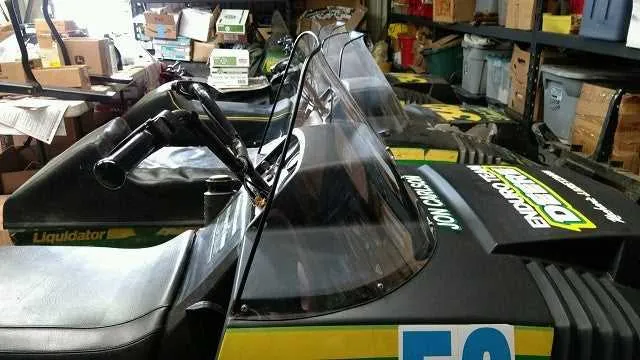
If you’re looking for detailed specifications on the 1980 John Deere Liquifire 440, you’re in the right place. This snowmobile was a powerful machine in its era, designed to handle various terrains with ease. Equipped with a 440cc twin-cylinder engine, it delivers solid performance that enthusiasts still appreciate today.
The engine produces approximately 40 horsepower, which makes the Liquifire 440 one of the stronger options of its time. It features a liquid-cooled system to keep the engine running efficiently even in demanding conditions. The snowmobile’s top speed is around 75-80 mph, making it a solid choice for riders who need a balance of speed and reliability.
The chassis is lightweight yet durable, with a strong emphasis on stability and handling. The Liquifire 440 uses a single-pivot rear suspension, which contributes to a smoother ride, especially in rougher conditions. Its deep-lugged track provides excellent traction, while the front suspension improves control over varied terrain.
The 1980 John Deere Liquifire 440 also comes with a wide variety of comfort features, including a spacious seating area and a well-designed handlebar setup. Its wide ski stance offers stability, while the overall design ensures that riders can stay comfortable on long rides.
Overall, the 1980 John Deere Liquifire 440 offers an impressive balance of power, handling, and comfort, making it a standout in the world of vintage snowmobiles.
1980 John Deere Liquifire 440 Specs
The 1980 John Deere Liquifire 440 features a powerful 440cc liquid-cooled engine, providing solid performance for various snowmobile enthusiasts. This sled boasts a two-cylinder engine with a reed valve induction system, delivering a smooth powerband and impressive acceleration.
The Liquifire 440 is equipped with a 35mm Mikuni carburetor, ensuring reliable fuel delivery under various conditions. Its primary clutch is a Comet 102C, optimized for smooth engagement, while the secondary clutch is a Comet 94C, providing efficient power transfer. This sled has an overall weight of around 400 pounds, making it lightweight and maneuverable.
For suspension, the front features a John Deere ski-spindle system, paired with an independent A-arm suspension for a responsive ride. The rear suspension is equipped with a combination of a rear coil-over shock and a torsion bar system, offering a good balance between comfort and handling on different terrains.
With a 10.5-gallon fuel tank, the 1980 John Deere Liquifire 440 provides decent range for long rides. It also includes a 10-inch wide ski and a 121-inch track, offering a stable ride across snow-covered trails. The sled’s design includes a compact yet effective aerodynamic body, ensuring wind resistance is minimal for higher speeds.
Overall, the 1980 John Deere Liquifire 440 is a reliable, high-performance snowmobile with a focus on efficient handling, power, and durability. Its lightweight frame, paired with advanced suspension and engine features, makes it an appealing choice for enthusiasts seeking a smooth ride in various snow conditions.
Engine and Performance Specifications of the 1980 John Deere Liquifire 440
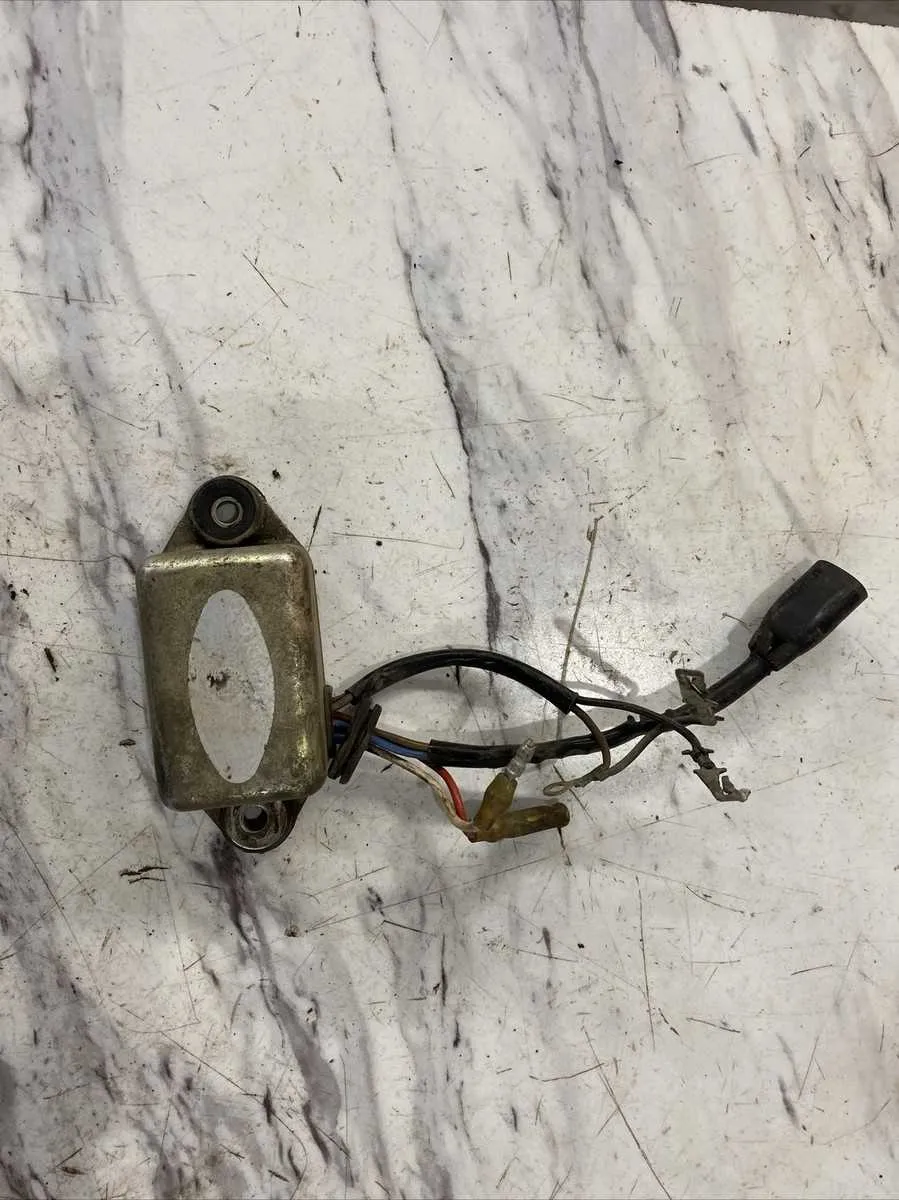
The 1980 John Deere Liquifire 440 features a 440cc, twin-cylinder, liquid-cooled engine that delivers impressive power and reliability. With a compression ratio of 7.5:1, it achieves optimal performance across various conditions.
Equipped with a single Mikuni carburetor, the engine ensures smooth fuel delivery and effective combustion. The snowmobile’s power output reaches around 55 horsepower, providing a good balance of speed and handling on different terrains.
The engine is paired with a solid 2-speed automatic transmission, offering seamless shifting and responsive acceleration. This system allows for efficient power transfer from the engine to the track, making the ride comfortable and responsive under varying snow conditions.
Fuel capacity stands at 8 gallons, which ensures adequate range for longer rides. The Liquifire 440 is designed for both casual and more intense snowmobiling experiences, with an impressive top speed of 70 mph. The liquid-cooled system helps maintain engine temperature, preventing overheating during extended rides.
Handling is further enhanced by the lightweight frame and efficient suspension system, which allows the engine to deliver its power to the ground effectively. Whether navigating through deep snow or cruising on packed trails, the performance of the Liquifire 440 remains consistent.
Handling and Suspension Features of the John Deere Liquifire 440
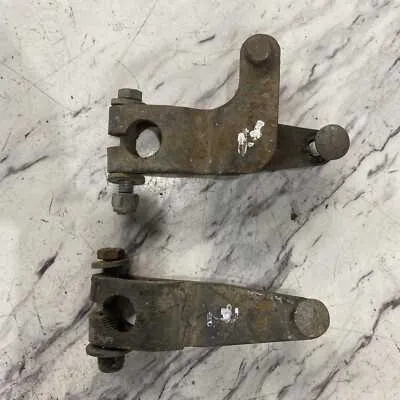
The John Deere Liquifire 440 is designed to deliver smooth handling, even on rough terrain. Its suspension system plays a key role in maintaining stability, ensuring a controlled ride even at higher speeds.
- Front Suspension: The Liquifire 440 features a double A-arm front suspension, providing excellent shock absorption. This setup ensures a comfortable ride by reducing vibrations and impacts, allowing the rider to focus on control.
- Rear Suspension: The rear utilizes a sliding-rail suspension system. This setup helps keep the rear skis grounded, offering greater traction on varied surfaces, whether on hard-packed snow or softer powder.
- Handling: With a well-balanced design, the Liquifire 440’s weight distribution enhances maneuverability. The narrow ski stance and responsive steering make it easy to navigate tight turns and quickly adjust direction.
- Adjustable Suspension: The Liquifire 440 includes adjustable shock absorbers, allowing riders to fine-tune the suspension for different conditions. This is particularly useful for riders who alternate between trails and off-trail riding.
Overall, the suspension and handling systems of the John Deere Liquifire 440 combine to provide a responsive and comfortable ride, making it well-suited for a variety of snow conditions.
Maintenance and Common Issues for the 1980 John Deere Liquifire 440
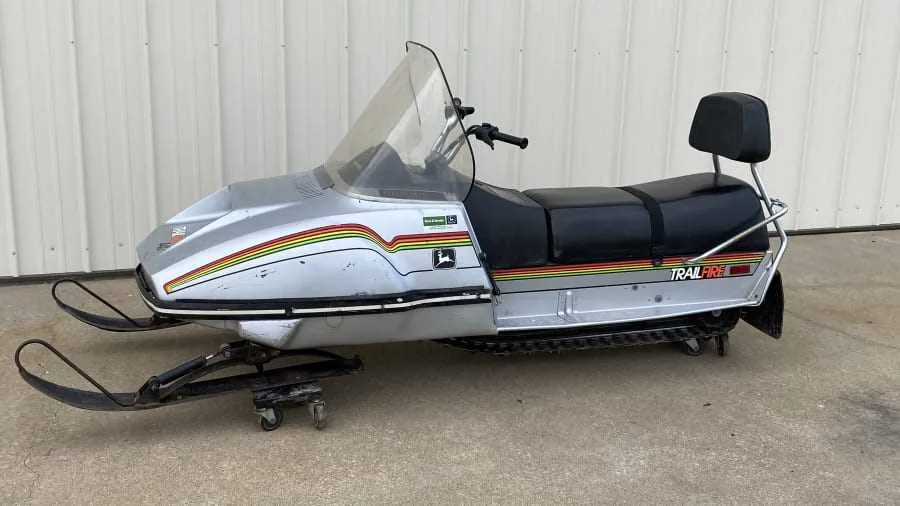
Regularly inspect the spark plugs on your John Deere Liquifire 440. A worn-out or fouled plug can cause misfires, poor acceleration, or starting problems. Clean or replace the plugs every 100 miles or when the engine performance starts to decline.
Check the carburetor for leaks or blockages. Clean it every season, as dirt and fuel residue can cause improper fuel mixture, leading to rough idling or stalling. Pay special attention to the fuel lines for cracks or wear, as they can lead to fuel leaks, which are hazardous.
Monitor the chaincase oil level. If the oil becomes contaminated or too low, the drivetrain can be damaged, causing poor performance and unnecessary wear on the clutch and chain. Replace the chaincase oil after every 300 miles or whenever you notice any abnormal noise from the chaincase.
The exhaust system needs careful attention. Check for any rust, corrosion, or blockages that can lead to poor exhaust flow, reducing engine performance. The muffler may also require cleaning to prevent excessive carbon buildup.
Common issues with the Liquifire 440 include weak acceleration, which is often due to problems with the fuel system or spark plugs. Inspect the fuel filter for clogs or contamination and replace it as necessary. Another frequent problem is the clutch not engaging properly, which could be a result of worn springs or a misaligned clutch. Replacing the clutch springs or adjusting the clutch can often resolve this issue.
Keep an eye on the track tension. A loose track can cause poor handling, while an overtightened track can strain the engine and bearings. Adjust the track tension according to the manufacturer’s guidelines for optimal performance.
Regularly clean and inspect the cooling system. Any dirt or debris in the system can cause the engine to overheat, leading to more severe damage. Replace the cooling fan or air fins if they become damaged or clogged.