John Deere 330CLC Excavator Specifications and Key Features
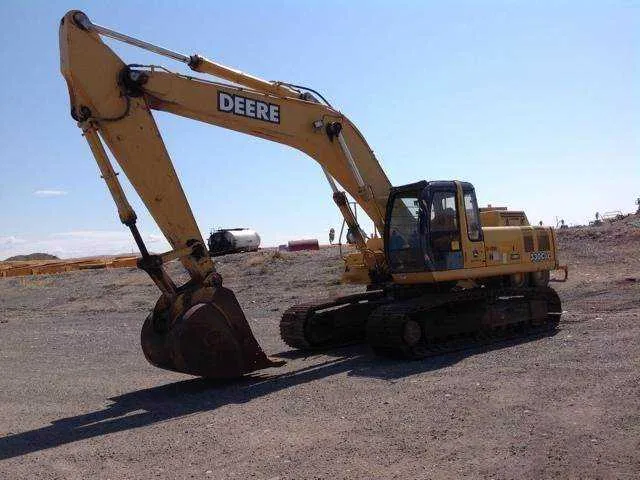
The John Deere 330CLC is designed to meet the demands of both productivity and reliability in heavy-duty construction tasks. With a powerful engine and advanced hydraulics, it delivers exceptional digging force and lifting capabilities, making it ideal for a variety of construction, excavation, and demolition projects.
Powered by a Tier 3, 6.8-liter, 6-cylinder diesel engine, the 330CLC produces 215 horsepower at 2,000 RPM. This ensures that it can handle challenging tasks with ease, from digging through tough soil to lifting heavy loads. The engine is paired with a hydrostatic transmission for smooth and responsive control, enhancing operational efficiency.
The hydraulic system of the 330CLC is engineered for maximum performance, featuring a high-flow pump that delivers up to 35,000 pounds of lifting capacity and a bucket breakout force of over 23,000 pounds. This makes it highly effective in lifting, digging, and handling materials with precision and speed. The design also ensures minimal downtime, providing a high level of operational reliability in harsh working conditions.
Additionally, the 330CLC is equipped with a cab designed for comfort and improved operator visibility. It features a spacious interior with ergonomic controls that reduce operator fatigue. The enhanced HVAC system ensures comfort in varying temperatures, contributing to prolonged and productive working hours.
John Deere 330CLC Specifications
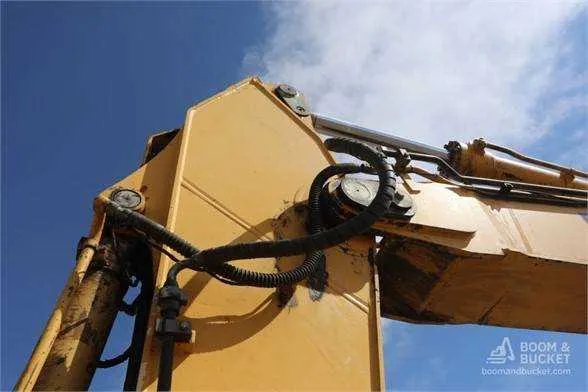
The John Deere 330CLC is equipped with a powerful 6.8-liter, 6-cylinder engine that delivers 228 horsepower, providing ample power for demanding tasks. Its hydraulic system offers a flow rate of up to 530 liters per minute, ensuring smooth and responsive performance during operation.
With a maximum digging depth of 7.1 meters and a reach of 10.9 meters, the 330CLC is designed for both heavy lifting and precise digging tasks. The arm and boom are reinforced with high-strength steel for added durability in tough conditions.
The machine’s operating weight is around 33,700 kg, making it suitable for a wide range of construction projects. The 330CLC features an advanced cooling system that helps maintain optimal engine temperatures, even in challenging environments.
For enhanced operator comfort, the cab offers a spacious, air-conditioned environment with improved visibility. The integrated control system ensures easy navigation, while the user-friendly interface simplifies operation, increasing overall productivity.
Engine Performance and Power Output of the John Deere 330CLC
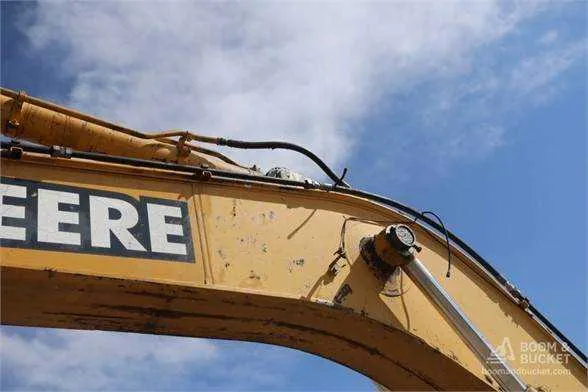
The John Deere 330CLC is equipped with a robust 6.8L PowerTech Plus engine, delivering an impressive 239 horsepower at 2,000 rpm. This engine is designed for demanding construction environments, offering consistent performance and durability over extended periods of operation.
With a peak torque of 1,050 lb-ft at 1,400 rpm, the engine provides ample low-end power, making it ideal for heavy lifting, digging, and material handling. The PowerTech Plus engine’s electronic fuel injection system optimizes fuel efficiency without compromising power output, ensuring that the machine remains productive even in high-load conditions.
The hydraulic powertrain is designed to complement the engine’s performance, offering smooth and responsive control for operators. This synergy between engine and hydraulics enhances the overall productivity of the 330CLC in demanding tasks such as trenching and excavating in tough soils or rocky environments.
In terms of fuel efficiency, the John Deere 330CLC engine is designed to reduce fuel consumption while maintaining high power output. Its advanced cooling system ensures the engine operates within optimal temperature ranges, preventing overheating during prolonged use. The combination of power, torque, and fuel efficiency makes the 330CLC a dependable option for heavy-duty applications.
Hydraulic System and Excavation Capabilities of the John Deere 330CLC
The John Deere 330CLC boasts a robust hydraulic system that maximizes productivity and precision during excavation tasks. Its powerful hydraulic pump delivers high flow rates, ensuring smooth and reliable operation, even under heavy loads.
The hydraulic system of the 330CLC operates at a pressure of up to 5,000 psi, allowing the machine to handle demanding tasks with ease. The system’s flow capacity of 469 L/min ensures that attachments like buckets and hammers operate at peak performance, offering increased digging force and faster cycle times.
For digging, the 330CLC features an advanced boom and arm design, which together provide impressive excavation capabilities. The digging depth reaches 22 feet 6 inches (6.86 meters), allowing the machine to efficiently perform tasks requiring deep trenching or foundation work. The maximum reach of the arm is 32 feet 7 inches (9.93 meters), enhancing the machine’s ability to reach over obstacles or perform elevated digging.
Key benefits of the hydraulic system and excavation capabilities include:
- High hydraulic flow for consistent performance under heavy load conditions.
- Improved digging force for enhanced productivity in tough soil conditions.
- Increased lift capacity and smoother operation when handling attachments.
- Enhanced boom and arm design for greater reach and digging depth.
These features make the 330CLC ideal for a wide range of applications, including utility work, road construction, and large-scale earthmoving tasks. The machine’s hydraulic capabilities, combined with its digging power, ensure operators can complete their tasks faster and more efficiently, reducing downtime and increasing output.
Durability and Maintenance Requirements for the John Deere 330CLC
The John Deere 330CLC is built to withstand demanding work environments. Regular maintenance ensures the machine operates at its best for years. Perform daily checks of key components, such as hydraulic systems, engine oil, and fuel filters, to prevent costly repairs. Always clean the radiator and air intake screens to maintain cooling efficiency.
For optimal engine longevity, change the engine oil and filters every 500 hours of operation or at the intervals recommended by the manufacturer. The fuel system should be inspected for leaks and contamination regularly. Monitor hydraulic fluid levels and perform system checks to avoid premature wear of hydraulic pumps and cylinders.
The undercarriage is crucial for maintaining stability on rough terrain. Inspect track tension and condition every 100 hours of use. Proper track adjustment ensures smooth operation and reduces strain on the components. Lubricate the machine’s moving parts and joints regularly to avoid unnecessary wear.
After every 1,000 hours, schedule a thorough inspection of the electrical system, including batteries, wiring, and connectors. Any corrosion or damage should be addressed immediately. Additionally, inspect the cooling system to ensure the radiator and hoses are free of debris and damage.
Follow the manufacturer’s maintenance schedule for other parts, such as the swing motor, final drives, and pumps. Timely part replacements will prolong the machine’s operational life and reduce unexpected downtime.