John Deere 997 Specifications and Key Features Overview
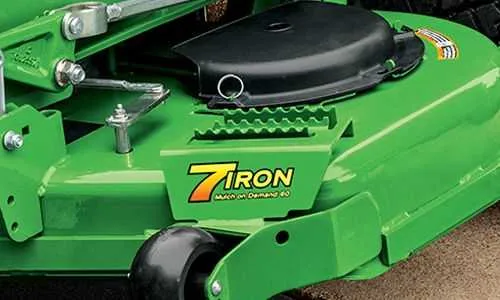
The John Deere 997 is equipped with a 7-Iron Pro mower deck, offering impressive durability and cut quality. It features a 31 horsepower diesel engine, providing enough power to handle large lawns and tough terrain. Regular maintenance of the engine, such as oil changes and air filter replacements, will ensure optimal performance.
Engine Performance: The 997’s engine is designed for heavy-duty use, capable of running for extended periods without overheating. Keep an eye on the fuel filter and check the hydraulic system regularly for optimal performance. Using the right type of oil helps maintain engine efficiency and prevent wear.
Transmission: The machine includes a hydrostatic transmission that delivers smooth and consistent power to the wheels. This allows for easy maneuvering and handling in tight spaces. Make sure to inspect the transmission fluid regularly to avoid potential damage.
Mower Deck: The 7-Iron Pro mower deck is one of the standout features of the John Deere 997. Its welded steel construction resists wear and tear, providing a clean, even cut. It is also easy to adjust the height of the deck to suit different types of grass or mowing conditions.
John Deere 997 Specs
The John Deere 997 is a commercial-grade zero-turn mower, designed for heavy-duty work. It features a 7 Iron II mower deck, available in widths of 60 and 72 inches, which provides superior cutting performance even in tough conditions.
Powered by a 31 hp (23 kW) liquid-cooled diesel engine, the 997 offers a high level of power for demanding mowing tasks. This engine ensures reliable operation while maintaining fuel efficiency. It comes with a Hydrostatic transmission, providing smooth, precise control over speed and direction.
The mower has a fuel tank capacity of 12.5 gallons (47.3 liters), allowing for longer operation without frequent refueling. Additionally, the 997 is equipped with an ergonomic operator station that includes adjustable seats, controls, and a fully customizable console, ensuring comfort during extended use.
Its advanced suspension system enhances operator comfort and mower stability, even on uneven terrain. The machine also includes a full-length heavy-duty frame, making it durable and suitable for tough, commercial-grade applications.
Serviceability is streamlined, with easy access to critical components for maintenance and repairs. This ensures the John Deere 997 stays in peak condition for years of dependable service.
Engine Power and Performance of the John Deere 997
The John Deere 997 features a powerful 24.7 HP (18.4 kW) diesel engine that ensures high productivity and reliability. This engine delivers the required torque for heavy-duty tasks and provides efficient fuel consumption, making it a solid choice for long operational hours.
For improved performance, the engine is paired with a hydrostatic transmission, offering smooth and responsive handling in various working conditions. The engine also features a liquid-cooled design that helps maintain consistent operating temperatures even during extended use, preventing overheating and ensuring longevity.
- Engine Type: 3-cylinder diesel engine
- Horsepower: 24.7 HP (18.4 kW)
- Cooling System: Liquid-cooled
- Fuel Tank Capacity: 12.7 gallons (48 liters)
- Max Speed: 8.5 mph (13.7 km/h)
- Torque: High torque output for demanding tasks
The engine’s advanced design optimizes power output, providing smooth and consistent performance across a range of applications, from mowing to hauling. Regular maintenance, such as oil changes and air filter replacement, will ensure that the engine continues to perform efficiently.
Transmission and Speed Capabilities of the John Deere 997
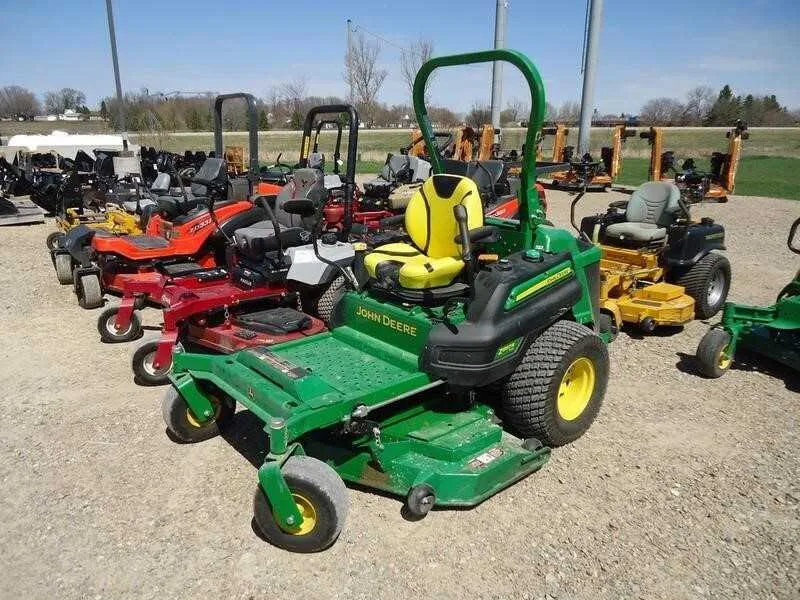
The John Deere 997 is equipped with a high-performance transmission system designed to handle various operational demands. It features a hydrostatic transmission that ensures smooth operation across diverse terrains and speeds. This system allows for easy control, providing precise speed adjustments based on the user’s needs.
The mower’s top speed reaches up to 12.5 mph (20 km/h), offering quick maneuverability for large areas. It can also shift between forward and reverse effortlessly, giving the operator more flexibility. The transmission ensures that the mower can operate under heavy load conditions without compromising performance.
For maximum productivity, the transmission delivers optimal torque at both low and high speeds, making it suitable for a variety of lawn conditions. The hydrostatic drive mechanism enables a seamless transition between speeds, which is particularly useful when working in tight spaces or navigating obstacles.
| Speed Settings | Forward Speed | Reverse Speed |
|---|---|---|
| Low Gear | 0-5 mph | 0-3 mph |
| High Gear | 0-12.5 mph | 0-5 mph |
Operators can easily adjust the speed depending on the working conditions, ensuring that both delicate and heavy-duty tasks are managed efficiently. The hydrostatic transmission’s simplicity and reliability make it an ideal feature for operators seeking durability and precision.
Maintenance and Service Requirements for the John Deere 997
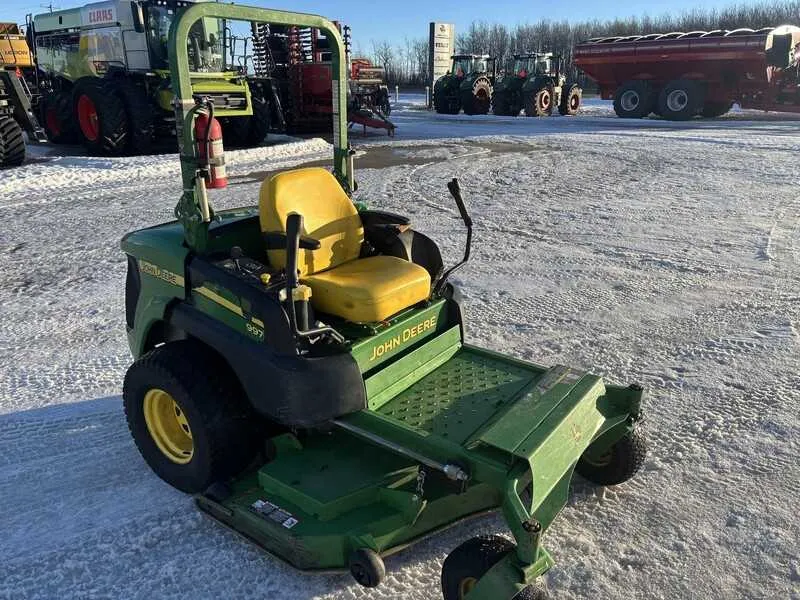
Regular maintenance is crucial for keeping the John Deere 997 in optimal condition. Perform routine checks every 50 hours of operation, including engine oil and filter changes, as well as inspection of the air and fuel filters.
Engine oil should be replaced after every 100 hours of operation, or once a year, whichever comes first. Always use high-quality oil that meets John Deere specifications. Ensure that the engine coolant is at the proper level and change it every 2 years to prevent overheating.
Grease all moving parts, including the mower deck, bearings, and the hydraulic lift system, every 50 hours of operation. Check the mower blades for wear and sharpen them when necessary to maintain cutting performance.
Inspect the hydraulic system regularly for leaks and ensure that the hydraulic fluid level is correct. Replace the fluid and filter every 500 hours or once a year to maintain the hydraulic system’s performance.
Monitor tire pressure and check for any damage to prevent uneven wear. Proper tire inflation ensures maximum efficiency and reduces strain on the engine and transmission.
Inspect the transmission fluid and change it every 1000 hours. Keep the transmission filter clean and replace it as needed to ensure smooth operation of the transmission system.
Check the battery regularly for corrosion and clean the terminals as needed. If the battery shows signs of wear or is no longer holding a charge, replace it promptly to avoid starting issues.
Lastly, perform a full system check every season before use, ensuring all components are functioning properly, and addressing any repairs or replacements in advance to prevent downtime.