John Deere Air Drill Specifications and Key Features
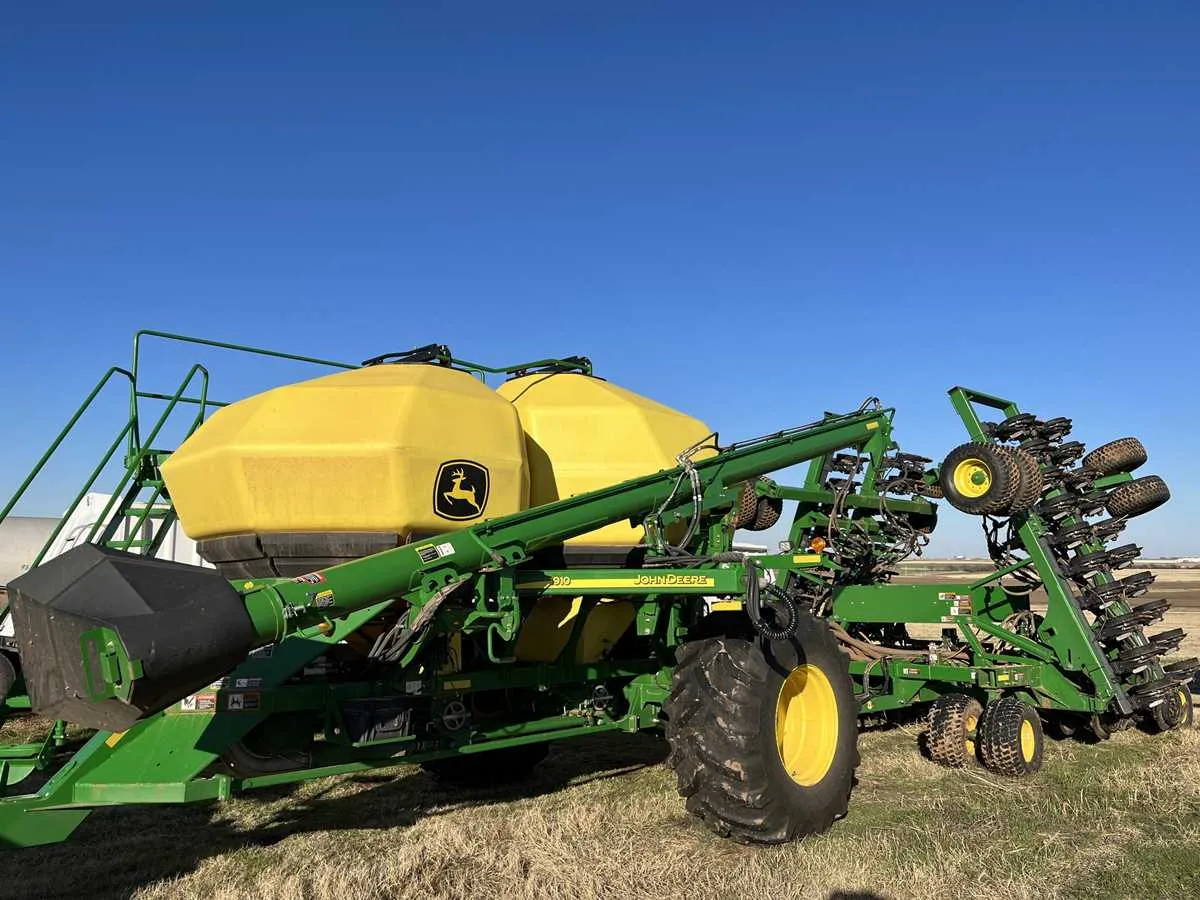
John Deere air drills provide precise seeding and reliable performance for various agricultural operations. With their robust design, they cater to both small and large scale farming needs, offering adjustable depth control and consistent seed placement. The 1890 and 1830 series are some of the most popular models, known for their durability and efficiency.
The John Deere 1890 Air Drill features a 10-inch row spacing, ideal for efficient seed placement. With a seed capacity of up to 1,600 gallons and a large seed tank, this model supports extended work hours without frequent refills. Equipped with a heavy-duty frame and durable openers, it can handle tough field conditions, minimizing downtime and increasing productivity.
For growers looking for versatility, the 1830 Series offers multiple configurations, allowing farmers to customize row spacing and seeding depth. It’s also equipped with advanced metering systems to ensure accurate seed rates and an even distribution across the field. Whether you’re planting cereals, legumes, or cover crops, these air drills can be adapted to meet the demands of your operation.
Both models are compatible with John Deere’s Precision Ag technology, offering easy integration with GPS guidance systems for greater accuracy in field operations. The combination of technology and machine reliability ensures that you get the most out of every pass through the field, reducing waste and optimizing crop yield potential.
John Deere Air Drill Specs
The John Deere Air Drill delivers precise seed placement with its advanced metering system. The design ensures accurate distribution, making it ideal for both conventional and no-till farming methods. The machine features a sturdy frame built for high durability, offering high-performance under various field conditions.
One of its standout specs is the air delivery system, capable of efficiently transferring seed and fertilizer to the seeding units. This system includes multiple seed and fertilizer hoppers, which allow for precise application in a single pass. The seed depth control is fully adjustable, ensuring uniform planting depth across the entire field.
The drill is available in widths ranging from 15 to 60 feet, accommodating different field sizes. With up to 80 individual seeding units, it ensures optimal spacing and seed depth. The drill’s tire and track options offer enhanced stability and reduced compaction.
Incorporating John Deere’s ExactEmerge technology, the drill enhances seed singulation and placement accuracy, even at high operating speeds. This results in better crop emergence and reduced seed waste.
The hydraulic system provides smooth operation, with easy adjustments for various field conditions. The drill’s high-capacity tanks reduce the need for frequent refilling, making large-acreage planting more efficient.
For monitoring and control, the drill is compatible with John Deere’s StarFire receivers and JDLink system, enabling real-time tracking and diagnostics for maximum efficiency and maintenance planning.
Engine and Power Specifications for John Deere Air Drills
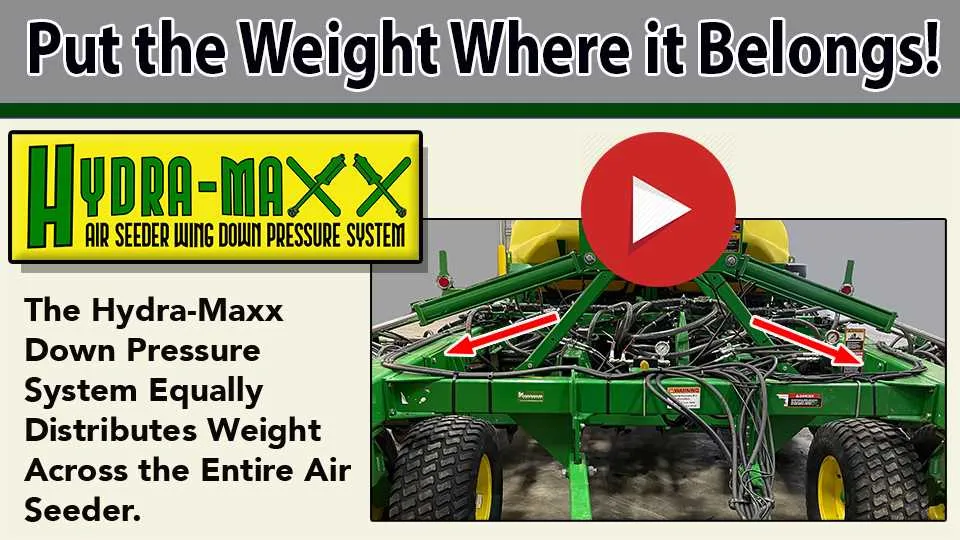
John Deere air drills are powered by robust engine systems designed to handle demanding field conditions. Here are the key power specifications for optimal performance:
- Engine Type: Most John Deere air drills are equipped with a diesel engine, offering reliable and efficient power. These engines are typically sourced from reputable manufacturers such as Cummins and John Deere themselves.
- Horsepower Range: Engines in John Deere air drills range from 180 to 500 horsepower, depending on the model and the size of the drill. This range allows for varying levels of power to match different field sizes and soil types.
- Fuel Capacity: Fuel tanks are designed to support extended operations, with capacities varying from 100 to 300 gallons, depending on the model. A larger fuel capacity ensures longer work hours before refueling is necessary.
- Transmission: The air drills come equipped with hydrostatic or mechanical transmissions, allowing operators to fine-tune speed and torque according to field requirements.
- Cooling System: The cooling systems in these drills are designed for high efficiency, ensuring that the engine temperature remains within optimal operating ranges, even during long hours of work.
- Alternator Power: Alternators in John Deere air drills typically generate around 100 to 150 amps, ensuring enough power for electronic systems like GPS, lighting, and seed monitoring systems.
These power systems work together to offer the performance necessary to tackle large-acre operations efficiently and consistently. Regular maintenance, such as checking fuel filters and engine diagnostics, will help keep the engine in top condition.
Seed Placement and Distribution Features of John Deere Air Drills
John Deere air drills are designed to ensure precise seed placement and uniform distribution. The system uses an advanced metering mechanism that ensures each seed is delivered with accuracy, promoting optimal germination and crop uniformity. The pressurized air system delivers seed to the openers, preventing clogs and allowing for continuous operation even in challenging conditions.
The seed tubes are engineered for smooth, consistent flow, reducing seed bounce and minimizing breakage. John Deere’s innovative openers are designed to create a consistent seed trench, ensuring that seeds are placed at the correct depth and in a uniform pattern. The depth control is adjustable, giving operators flexibility to adapt to various soil conditions and seed types.
Air drills also feature a row-crop design that facilitates even seed distribution across the entire width of the machine. This minimizes seed compaction and optimizes spacing, enhancing crop emergence and growth. The adjustable seed rate and pressure settings allow operators to tailor the machine’s performance to specific soil conditions and seed varieties, maximizing efficiency and crop performance.
For those working with diverse field types, John Deere air drills offer the option to integrate multiple seed types in a single pass, thanks to their dual-seed delivery system. This feature makes it easy to plant cover crops alongside primary seeds, improving soil health and ensuring more efficient use of resources.
Maintenance and Durability of John Deere Air Drills
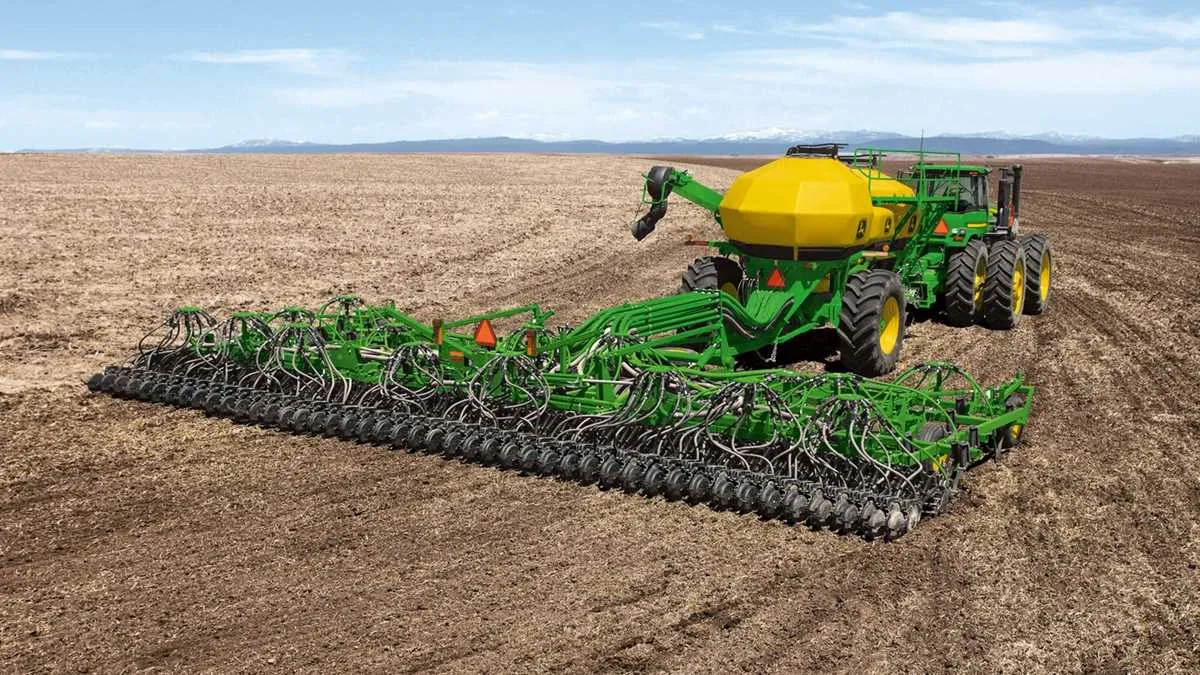
Regular inspection of the air drill’s components helps avoid costly repairs. Focus on the air cart, opener blades, and metering systems. Keep the air lines free of debris to maintain consistent airflow and seeding depth.
Check the opener blades for wear. Replace them when they show signs of dullness or damage, as sharp blades are crucial for proper seed placement and soil penetration. Clean and lubricate the opener assemblies regularly to prevent rust and corrosion, especially after wet conditions.
The metering system must be calibrated to ensure accurate seed distribution. If seed flow seems inconsistent, verify the calibration settings and check for any obstructions in the metering discs or hoses. Replacing worn metering discs can prevent uneven seed placement.
Inspect the air cart regularly. Clean the seed tank and the auger system to avoid build-ups that can lead to blockages or inaccurate seed distribution. Ensure that all belts are tight and free of wear. Replace any cracked or frayed belts promptly to avoid breakdowns during operation.
Check the tires and wheel assemblies for wear, ensuring that they are properly inflated. Misaligned tires can cause uneven operation, leading to wear on other components. Regularly monitor the air pressure to maintain optimal performance.
John Deere air drills are designed to handle tough conditions, but proper maintenance is key to extending their lifespan. Adhering to a strict maintenance schedule and addressing issues immediately can significantly improve the durability of your equipment.