1998 John Deere 310E Backhoe Specifications and Key Features
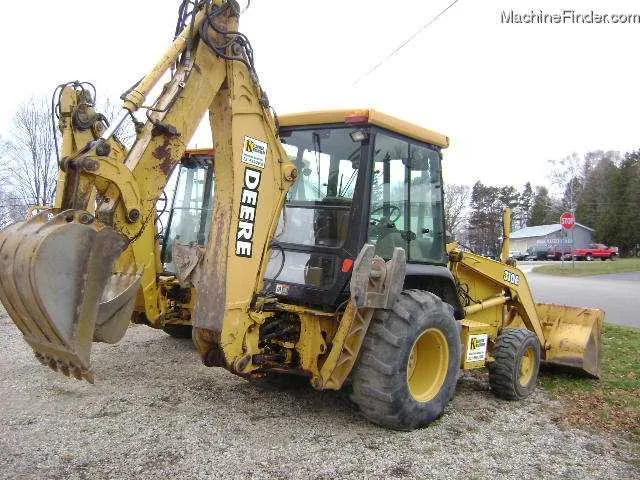
If you’re in the market for a used 1998 John Deere 310E backhoe, it’s crucial to know the key specifications before making a decision. This machine is designed for heavy-duty work with an emphasis on durability and performance. The 310E is powered by a 4.5L 4-cylinder diesel engine, delivering 80 horsepower, which is more than enough for most construction and digging tasks.
For optimal digging and lifting, the 1998 model features a hydraulic system that offers 3,900 psi operating pressure. The backhoe’s dig depth reaches up to 14 feet 3 inches, allowing for deep excavations. With a bucket capacity of 1 cubic yard, it provides excellent material handling capabilities. The loader has a lift capacity of 2,800 pounds, ensuring efficient loading and unloading of materials.
Noteworthy for its ease of operation, the 310E comes with a Powershift transmission, giving you smooth shifting with minimal effort. The standard two-wheel drive can be upgraded to four-wheel drive for added traction in challenging conditions. Its well-balanced design ensures stability, even when handling heavy loads or working on uneven terrain.
1998 John Deere 310E Backhoe Specs
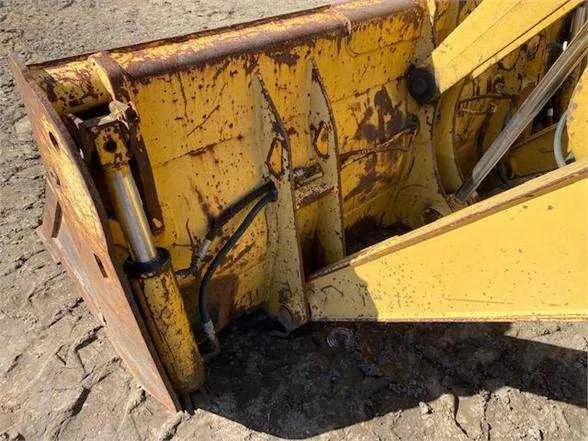
The 1998 John Deere 310E Backhoe offers a solid combination of power, reliability, and versatility. With its durable design, this model is equipped to handle a range of heavy-duty tasks on construction sites.
The backhoe is powered by a 4.5L 4045T diesel engine, producing around 92 horsepower (68.7 kW). This engine provides ample strength for digging, lifting, and pushing operations. The machine’s torque is sufficient for tough tasks, making it suitable for most excavation projects.
Operating weight for the 310E is approximately 16,500 lbs (7,484 kg), ensuring a stable base while working with heavy loads. The backhoe features a 2WD/4WD option, offering flexibility depending on terrain and task requirements.
For digging, the machine is equipped with a 14 ft (4.27 m) maximum digging depth on the backhoe arm. This allows operators to reach deeper trenches while maintaining control and accuracy. The loader bucket can lift around 3,500 lbs (1,588 kg), making it suitable for material handling and lifting tasks.
The hydraulics of the 310E are powerful, with a flow rate of 29.7 gallons per minute (112.5 L/min), enabling smooth operation and quick cycle times for various attachments. The hydraulic system supports both the backhoe and loader operations, ensuring optimal performance under load.
The 310E’s standard transmission is a synchro-mesh 4-speed system, offering straightforward shifting between gears for various job requirements. Its turning radius of around 13.3 ft (4.05 m) provides maneuverability on tight job sites.
For operator comfort, the 310E comes with a spacious, open operator’s station with a clear view of the working area. The adjustable seat, easy-to-use controls, and simple dashboard layout help maintain productivity during long work hours.
Engine Specifications and Performance
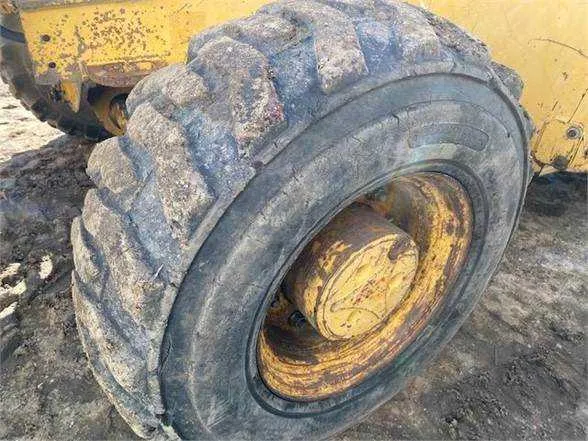
The 1998 John Deere 310E backhoe is powered by a 4045TF150 diesel engine, delivering a total of 66 horsepower at 2,200 RPM. This engine is a 4-cylinder, turbocharged unit, providing a balance between power and fuel efficiency, suitable for various digging and lifting tasks.
Its maximum torque reaches 195 lb-ft at 1,500 RPM, offering solid performance for tough operations. With a displacement of 276 cubic inches (4.5 liters), the engine provides consistent power throughout the working range, ensuring reliability on long shifts.
The engine is paired with a PowerShift transmission, which allows smooth shifting between gears. This setup offers better control over the machine, especially when working in rough terrains or tight spaces.
For fuel efficiency, the 310E has a fuel tank capacity of 24.5 gallons, allowing for extended working hours without frequent refueling. The cooling system keeps the engine temperature stable, even under heavy loads.
Engine maintenance is straightforward, with easy access to oil filters and air filters. Regular servicing ensures the backhoe performs optimally and extends the lifespan of the engine.
In terms of performance, the 310E backhoe is well-suited for small to medium-sized construction projects, providing a good balance of power, speed, and fuel efficiency. Its engine can handle tasks like trenching, loading, and lifting with ease, ensuring productivity on various job sites.
Hydraulic System and Digging Capabilities
The hydraulic system on the 1998 John Deere 310E backhoe delivers a robust performance for various tasks, including excavation and material handling. Its hydraulic pump, capable of generating up to 27.5 gallons per minute, ensures smooth and effective operation across different functions, from digging to lifting heavy loads.
The 310E’s backhoe is equipped with a powerful digging arm with a reach of 14 feet, 1 inch, making it suitable for trenching and precise digging in tight spaces. The bucket capacity is 0.25 cubic yards, ideal for handling a range of materials such as dirt, gravel, and sand.
- Bucket Breakout Force: 6,768 lbs
- Arm Digging Force: 4,387 lbs
- Loader Lift Capacity: 3,000 lbs
- Maximum Digging Depth: 14 feet, 1 inch
For loading and lifting, the hydraulic system supports a strong bucket lift with a maximum height of 8 feet, 3 inches, and a reach of 4 feet, 10 inches, making material handling more efficient and less strenuous. This capability is especially useful for lifting heavy materials over obstacles or placing materials accurately during construction projects.
The hydraulic flow control valve is designed to maintain consistent performance and prevent overload, ensuring reliability even in tough conditions. This system’s durability and ease of use make the John Deere 310E a valuable tool for various digging tasks, from excavation to demolition.
Maintenance and Service Guidelines for the 1998 John Deere 310E
Regularly check the engine oil level and change it every 250 hours of operation or as specified in the owner’s manual. Use John Deere’s recommended oil type to ensure optimal engine performance.
Inspect the hydraulic fluid and filters at least once every 500 hours. Replace the hydraulic filters and fluid as needed, making sure the system is free of contaminants before refilling.
Examine the battery terminals and cables for corrosion. Clean the terminals with a wire brush and ensure tight connections to prevent power issues during operation.
Check the air filter at regular intervals, and replace it if it appears clogged or damaged. A clean air filter ensures the engine receives enough airflow, preventing strain and potential damage.
Inspect the cooling system regularly. Keep an eye on the coolant levels and check for leaks in hoses and connections. Always top off with the recommended coolant mix to prevent engine overheating.
Lubricate the loader and backhoe joints every 50 hours of operation. Use the recommended grease to ensure smooth movement and prevent wear on moving parts.
Inspect the tires for damage or excessive wear. Ensure proper inflation to avoid uneven wear and maintain proper machine handling.
Check the fuel system for leaks and ensure the fuel tank is clean. Replace the fuel filter every 500 hours to avoid engine performance issues caused by contaminated fuel.
Inspect the brake system, including pads and hydraulic lines, for wear. Regular brake checks help maintain safe operation and prevent costly repairs.
Perform a full inspection of the machine after every 1000 hours of use, focusing on the structural integrity of the boom, arms, and chassis. Early detection of wear or damage can prevent more extensive repairs later.