Charging System Specifications for John Deere 4520 Tractor
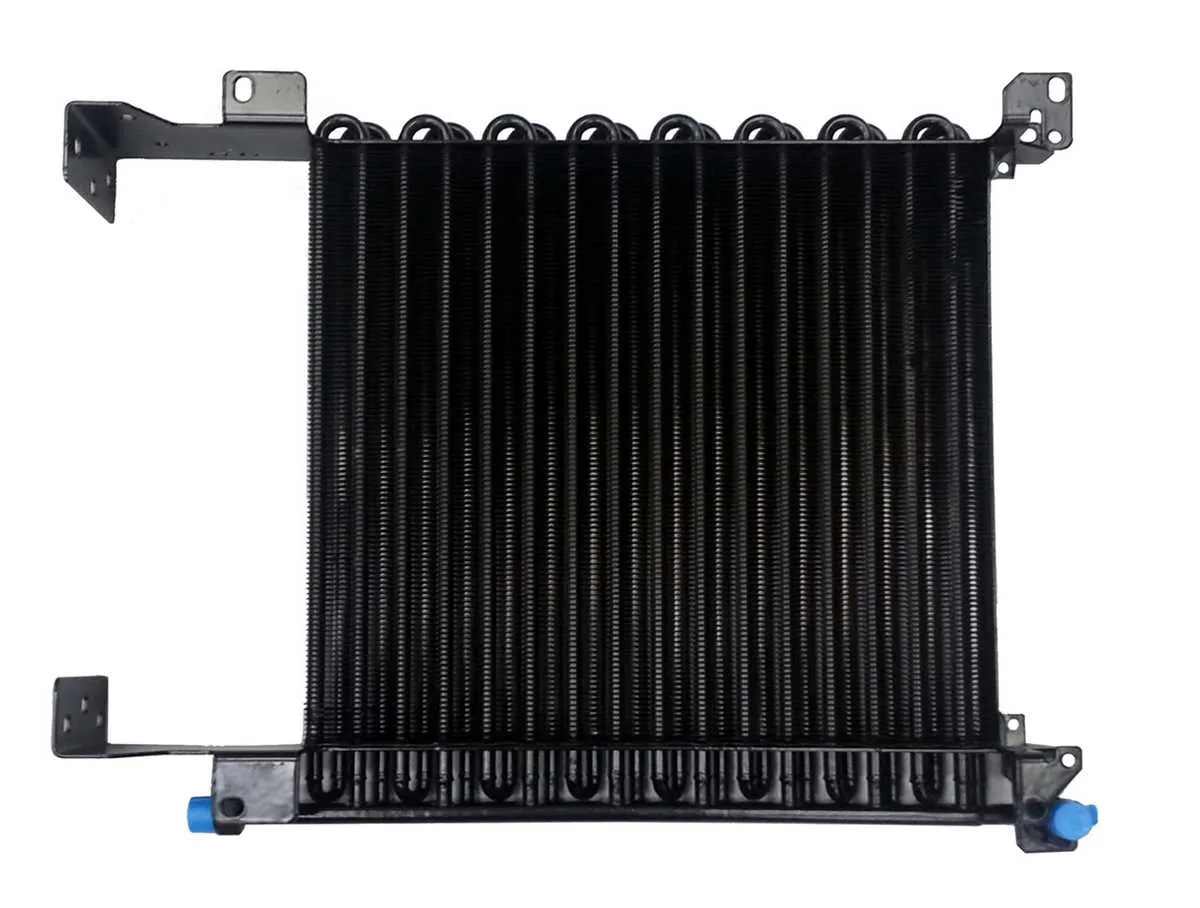
To ensure optimal performance, the charging system on your John Deere 4520 requires specific attention. The tractor utilizes a 12-volt system, equipped with a 40-amp alternator that provides consistent power to both the battery and electrical components. Regularly check the alternator’s output to avoid issues during operation.
Battery Type: The John Deere 4520 is compatible with a Group 51R battery. Ensure that the battery is properly charged, and use a voltmeter to check that it maintains 12.6 to 12.8 volts when fully charged. This voltage range indicates that the charging system is functioning correctly.
Alternator Output: The alternator delivers a steady 40 amps. It is important to check the condition of the alternator belt to prevent slippage, which can lead to undercharging. If the alternator is not performing as expected, consider inspecting the rectifier and regulator for any signs of wear.
Charging Troubleshooting: If the battery charge drops unexpectedly, inspect the battery cables for corrosion and ensure they are tightly connected. Also, check the ground connection between the battery and the frame. A loose or corroded connection can interfere with the charging process.
Charging a C on 4520 John Deere Specs
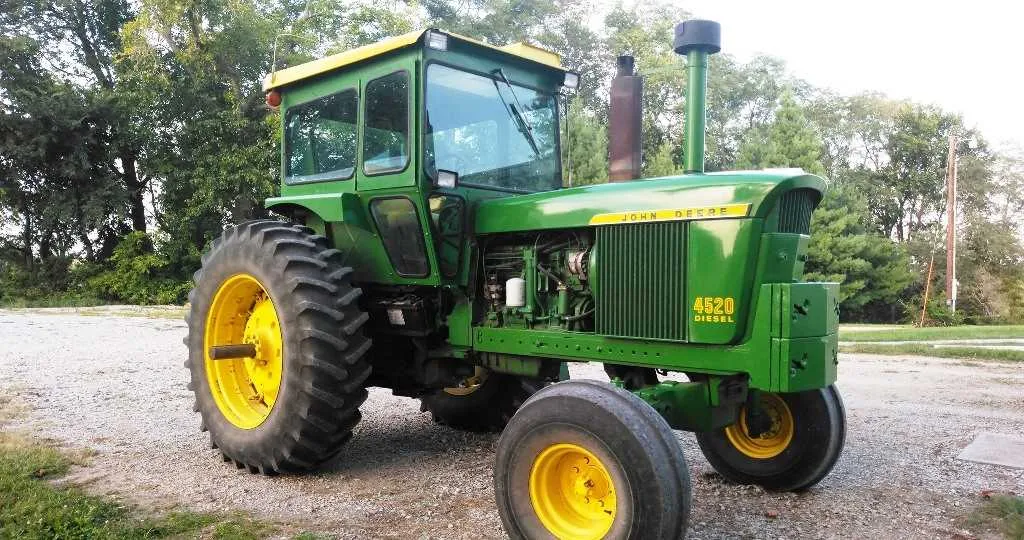
Ensure your 4520 John Deere tractor’s charging system is working optimally by following the specified charging voltage and current ranges. The system typically operates with a 12-volt battery, providing sufficient power for the engine and electronics. The standard alternator on the 4520 John Deere produces a 14-volt output at maximum capacity, ensuring that the battery remains charged even under heavy usage.
For proper battery charging, use a charger that matches the tractor’s voltage system, ensuring the charger is rated for 12V charging. Avoid using high-amperage chargers, as they can damage the battery or the charging system. During charging, check the battery’s voltage regularly to confirm it stays between 12.6 to 14.4 volts, which indicates it is properly charged. A consistent charging voltage outside of this range could signal a malfunction in the alternator or the battery.
If the alternator fails to meet the specified voltage output, inspect the charging system, including the alternator belt and wiring connections. A loose or worn-out belt can reduce the alternator’s output, resulting in insufficient charging of the battery. Additionally, check for any corrosion or damage to the battery terminals, as poor connections can lead to charging issues. For more advanced troubleshooting, consider consulting the tractor’s service manual for specific alternator or regulator replacement procedures.
Battery Voltage and Charging System Requirements
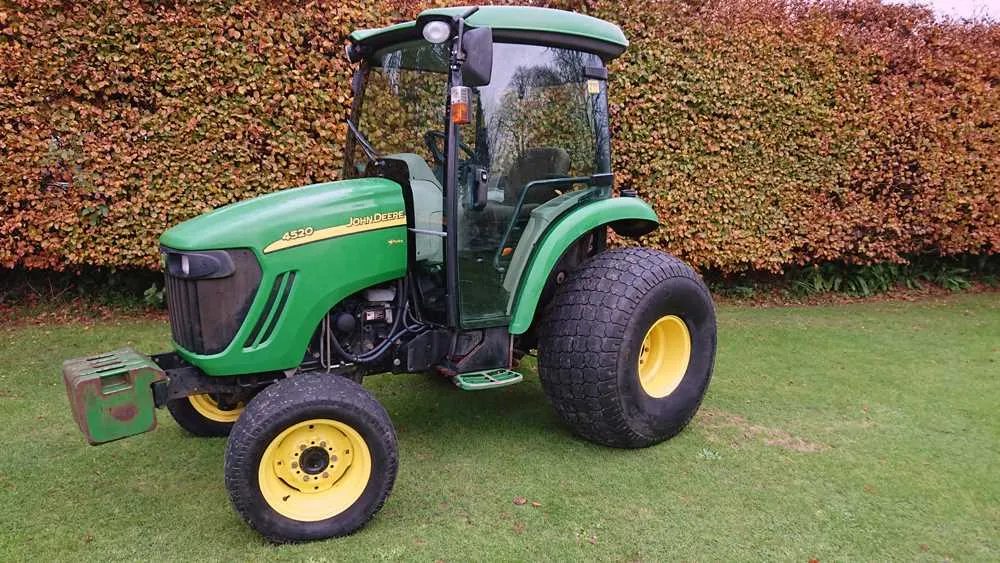
The John Deere 4520 requires a 12-volt battery system. Ensure that the battery voltage is consistently maintained at 12.6 volts or higher for optimal performance. Below 12 volts, the battery may fail to properly power the electrical components of the tractor and might lead to starting issues.
The charging system, including the alternator, is designed to maintain the battery’s charge during operation. The alternator on the 4520 should generate approximately 14.4 volts to effectively charge the battery. Regular checks of the alternator output are recommended to avoid overcharging or undercharging, both of which can reduce battery lifespan and efficiency.
For accurate performance, the battery cables and connections must be free from corrosion and securely tightened. Loose or corroded connections can cause voltage drops and prevent the charging system from working effectively. If corrosion is present, clean the terminals with a wire brush and apply a protective spray to prevent further buildup.
Make sure to inspect the voltage regulator to ensure it is functioning properly. A malfunctioning regulator can lead to either overcharging or undercharging, causing potential damage to the battery and other electrical components. Regular diagnostics should include checking for voltage discrepancies between the battery and alternator output.
Charging Time and Methods for John Deere 4520
For optimal performance and battery longevity, it is important to follow the recommended charging times and methods for the John Deere 4520. The charging process can vary based on the charging system, battery type, and current state of charge.
The recommended charging time for the John Deere 4520 typically ranges between 6 and 8 hours when using the standard 12-volt charging system. Ensure that the battery is fully discharged or near empty before starting the charging process to prevent overcharging.
When choosing a charging method, the following options are available:
- Standard Charging: Use a 12-volt charger with an automatic shutoff feature to prevent overcharging. This method is slower but preserves battery life.
- Fast Charging: For quicker turnaround, a high-output charger may reduce charging time to around 4 hours, though it may slightly decrease the overall lifespan of the battery.
- Trickle Charging: Best used for maintaining a battery at full charge during long storage periods. It is slower but prevents overcharging.
Be sure to inspect the battery regularly for corrosion, leaks, or damage. If you notice any issues, replace the battery before attempting to charge it again.
Common Charging Issues and Troubleshooting Tips
If the charging system of your John Deere 4520 is not functioning correctly, first check the battery voltage. Ensure the battery voltage is within the recommended range (12.6-12.8V). A voltage lower than this can indicate a failing battery or charging system.
If the battery appears fine, inspect the alternator. A faulty alternator can cause charging issues. Measure its output with a multimeter. If the alternator is not producing 13.5-14.5V while the engine is running, it may need replacement.
Check the wiring for loose or corroded connections, particularly at the battery terminals and alternator. Poor connections can prevent proper charging. Clean the terminals and tighten any loose connections.
Verify the condition of the voltage regulator. If it is malfunctioning, it may prevent the alternator from charging the battery correctly. Replacing the voltage regulator can resolve such issues.
Finally, examine the fuses related to the charging system. A blown fuse could interrupt the charging process. Replace any blown fuses and test the system again.