John Deere 270LC Specifications and Key Features
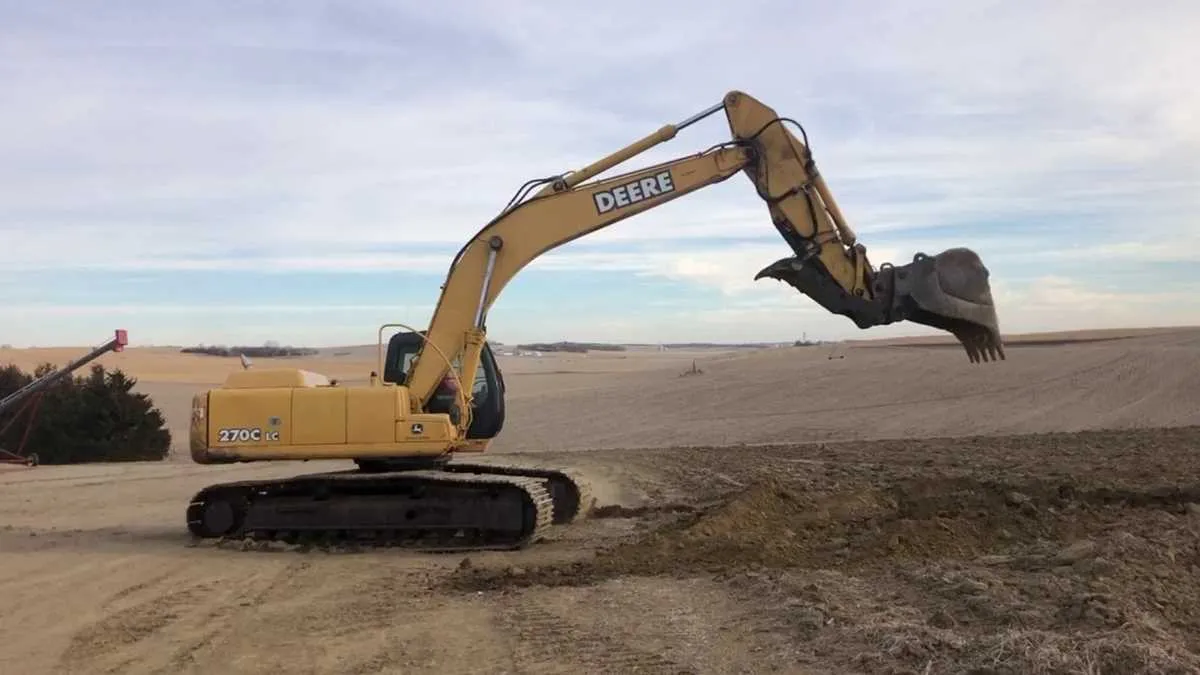
John Deere 270LC is a powerful excavator designed for heavy-duty tasks. With a maximum operating weight of 26,000 kg, it delivers remarkable stability and performance on various job sites. The 6-cylinder diesel engine, producing 168 horsepower, ensures sufficient power for digging and lifting tasks, even in tough conditions.
For efficiency, the hydraulic system is designed to offer smooth and responsive operation. With a hydraulic flow rate of up to 545 liters per minute, the machine ensures precision and high performance when handling attachments or performing complex maneuvers. The machine’s digging depth reaches up to 7.6 meters, allowing for deep trenching and other applications where access to lower levels is needed.
Operator comfort is another area where the 270LC excels. The cabin is designed to minimize vibrations and noise, while offering excellent visibility for improved safety and efficiency. The ergonomic layout of controls and seats makes extended operation easier, allowing operators to work for longer periods without fatigue.
Regular maintenance of the John Deere 270LC ensures longevity and optimal performance. The machine is equipped with easy-to-access service points, making it convenient to maintain key components like the engine, hydraulic system, and undercarriage. Following the manufacturer’s maintenance schedule will help keep downtime to a minimum and extend the lifespan of the machine.
John Deere 270LC Specs
The John Deere 270LC offers impressive power and performance for demanding construction tasks. With a 6-cylinder, 9.0L engine, it delivers 195 horsepower, providing reliable strength for heavy lifting and digging.
With an operating weight of around 26,000 kg, the 270LC is designed to handle tough jobs with stability. The robust undercarriage improves traction, while the long reach allows operators to tackle projects without repositioning the machine frequently.
The hydraulic system is engineered for high performance, offering faster cycle times and improved fuel efficiency. The machine’s hydraulics are optimized for precise control, making it ideal for applications requiring fine-tuned movement like grading and trenching.
The 270LC’s cab is designed for comfort, featuring enhanced visibility and controls that are easy to access. The ergonomic layout reduces operator fatigue and helps maintain productivity throughout the day.
For maintenance, the 270LC includes ground-level access to key components, simplifying service and reducing downtime. With extended intervals between oil changes and easy access to filters, it minimizes maintenance time.
Engine Performance and Power Output of the John Deere 270LC
The John Deere 270LC is equipped with a 6.8L PowerTech Plus engine, providing a balance between power and fuel efficiency. This engine delivers a maximum power output of 185 horsepower (138 kW) at 2,000 rpm, which allows the 270LC to tackle demanding tasks with ease. With a torque of 765 lb-ft (1,038 Nm), it ensures superior digging and lifting capabilities even under heavy load conditions.
The engine is designed for enhanced fuel economy, reducing the cost of operation without compromising performance. It is equipped with advanced fuel injection technology, allowing for precise fuel delivery, which optimizes combustion and reduces emissions. The integrated cooling system also helps maintain ideal engine temperatures, preventing overheating during extended operation.
For operators looking to maximize the machine’s potential, regular maintenance of the engine’s air and fuel filters is critical. Keeping these components clean ensures that the engine runs at peak performance and extends its operational lifespan. Monitoring engine diagnostics through the onboard display allows for real-time assessment of power output, making it easier to address any issues promptly.
Hydraulic System Features and Load Capacity of the John Deere 270LC
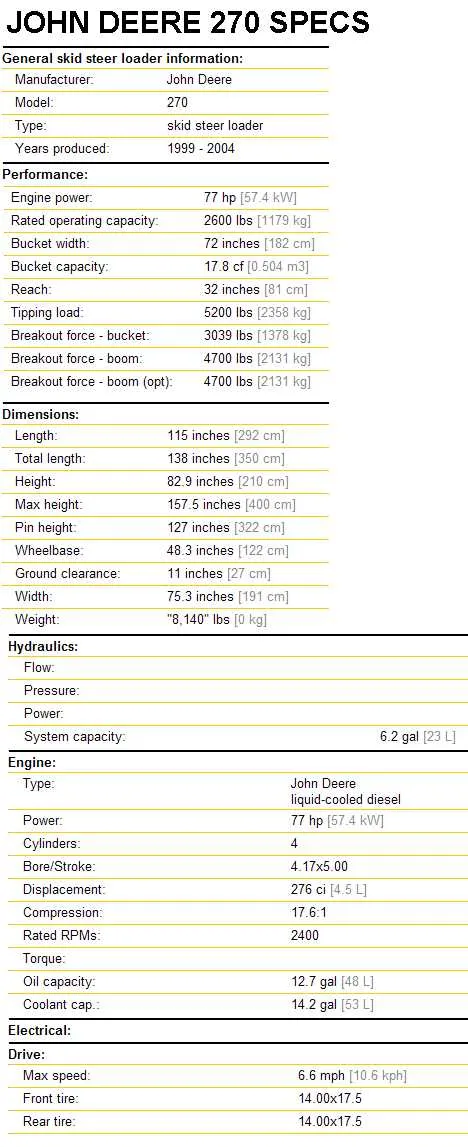
The John Deere 270LC is equipped with a powerful hydraulic system designed to enhance productivity and efficiency. It features a closed-center load sensing system, which adjusts flow based on demand. This setup ensures optimal power delivery with minimal energy loss.
For load capacity, the 270LC excels in lifting, digging, and pulling tasks. Its hydraulic pump provides up to 345 liters per minute, ensuring rapid arm and bucket movement under heavy loads. The maximum breakout force of the arm is 20,160 kg, making it ideal for tough excavation and material handling jobs.
The hydraulic system is designed to maintain performance even in extreme conditions. It uses a high-performance filtration system to ensure clean fluid circulation, preventing contamination and increasing the lifespan of components. The system’s reliability minimizes downtime and repair costs.
- Hydraulic Flow Rate: 345 L/min
- Maximum Arm Breakout Force: 20,160 kg
- Maximum Bucket Breakout Force: 18,600 kg
- Operating Pressure: 34,000 kPa
For maximum performance, it’s recommended to regularly check hydraulic fluid levels and pressure to maintain efficiency and extend system life. Proper maintenance of the hydraulic system can significantly reduce operating costs and improve the overall performance of the John Deere 270LC.
Dimensions and Weight Considerations for Transporting the John Deere 270LC
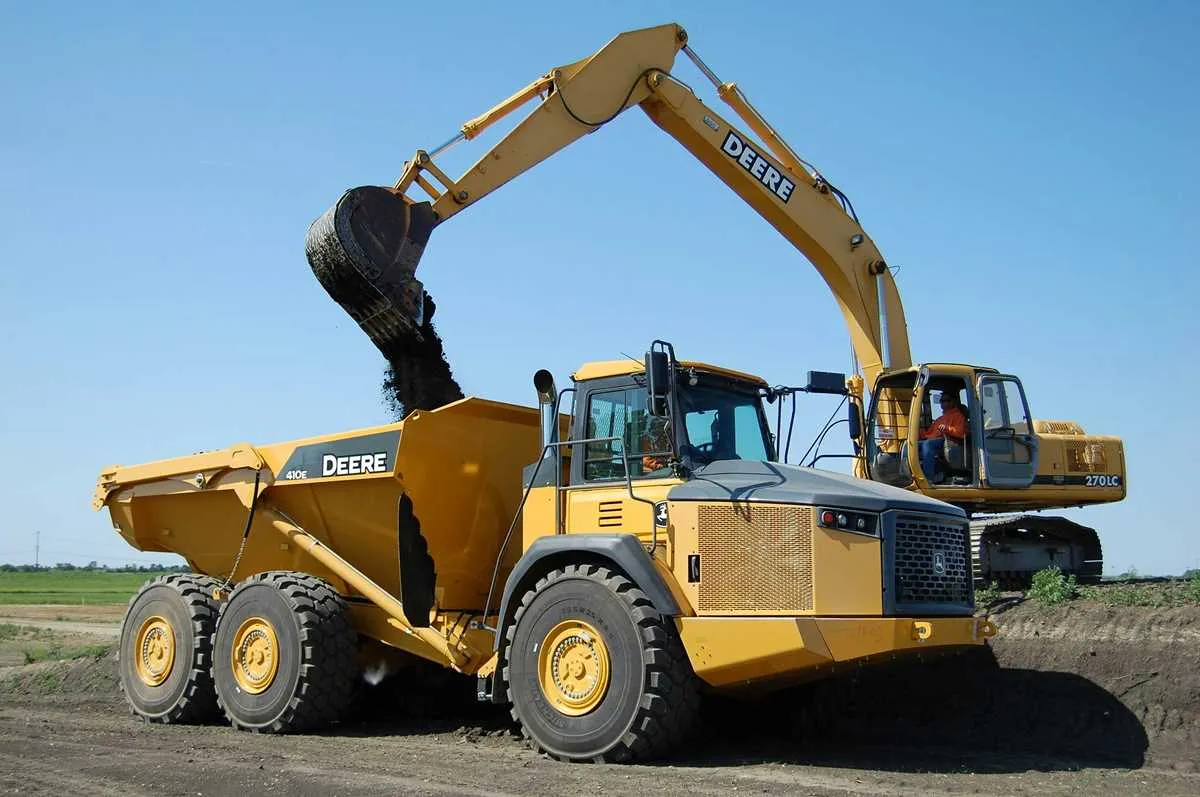
The John Deere 270LC excavator has a transport weight of approximately 63,000 kg (138,890 lbs), which includes the standard configuration with a long stick. This weight can vary depending on the specific setup and attachments, so always verify the final transport weight based on the machine’s configuration.
When transporting the 270LC, the overall length is about 10.9 meters (35.7 feet), with a width of 3.2 meters (10.5 feet) and a height of 3.3 meters (10.8 feet). These dimensions are crucial for ensuring that the transport vehicle has adequate space and meets the legal requirements for hauling oversized loads.
For safe transport, the height of the machine should be checked carefully, especially in areas with low overpasses or restricted clearance. The width also plays a significant role in determining if the excavator will fit on standard flatbed trailers or if a specialized wide-load trailer is required.
Verify the load-bearing capacity of the trailer to ensure it can safely support the excavator’s weight. The use of ramps, support structures, and additional securing equipment is necessary to prevent shifting during transit. Always ensure the load is securely strapped and balanced before setting off.
Finally, it’s crucial to check local and regional regulations for transporting heavy equipment like the John Deere 270LC. Some areas may require permits, escort vehicles, or specific transport routes to ensure safety and compliance with weight and size limits.