John Deere Pulley Torque Specifications and Guidelines
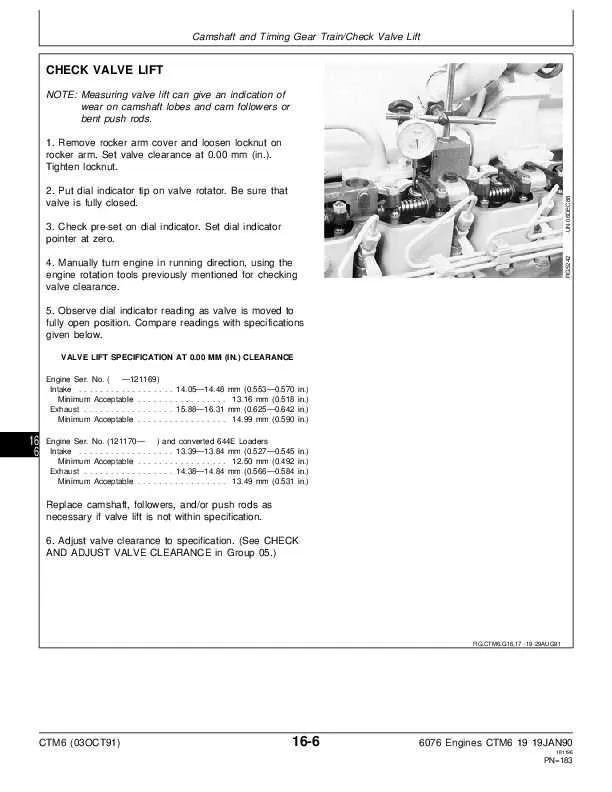
To ensure optimal performance, it’s crucial to apply the correct torque when securing pulleys on your John Deere equipment. The recommended torque values can vary depending on the model, but generally, a torque range of 40-60 ft-lbs is used for most pulleys. Always refer to your specific model’s manual for precise values.
Use a calibrated torque wrench to avoid over-tightening, which can damage the pulley or other components. Consistently check the torque settings after the first few hours of use to account for any settling or adjustments needed.
When dealing with critical parts such as the alternator pulley or hydraulic pump pulley, always ensure that the torque applied aligns with the manufacturer’s recommendations. Incorrect torque can lead to reduced performance or even premature failure of the pulley system.
John Deere Pulley Torque Specifications
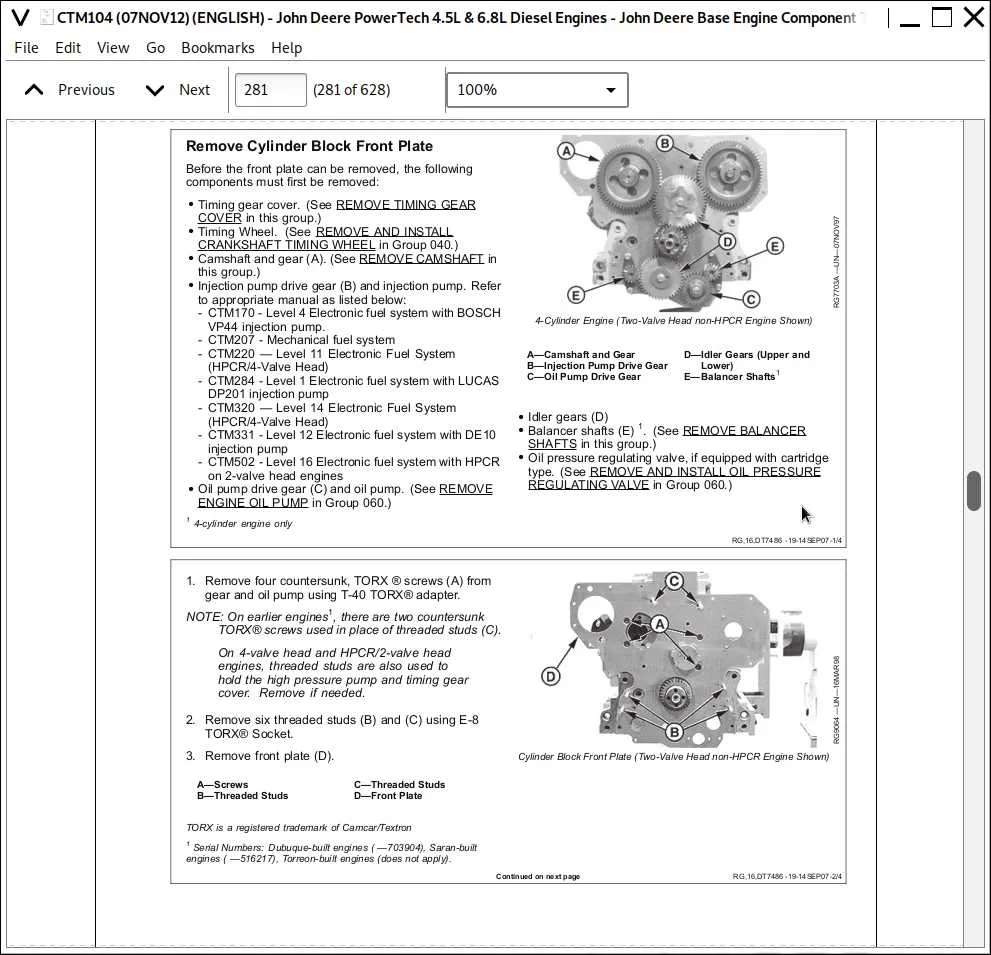
For accurate and safe operation of John Deere equipment, follow the specified pulley torque settings to prevent damage and ensure proper functioning. Refer to the manufacturer’s manual for specific torque requirements for each model. Below are general guidelines for pulley torque on various John Deere machines:
- Engine Pulley: 85-95 ft-lbs
- Alternator Pulley: 60-70 ft-lbs
- Hydraulic Pump Pulley: 65-75 ft-lbs
- Fan Pulley: 50-60 ft-lbs
Always ensure to apply the correct torque using a calibrated torque wrench. Over-tightening can lead to thread damage or misalignment, while under-tightening might cause slippage or even failure. Verify torque specifications for the exact model you are working on, as pulley requirements can vary across different John Deere models.
For some models, torque settings may be different for specific pulleys, such as the idler or tensioner pulleys. Always check the service manual for precise values tailored to your machine.
- Idler Pulley: 30-40 ft-lbs
- Tensioner Pulley: 45-55 ft-lbs
If you’re working with a specific series, like the John Deere 4020 or 5045, ensure to cross-reference with the corresponding parts list to confirm torque values for pulleys in your unit.
Recommended Torque Values for John Deere Pulley Models
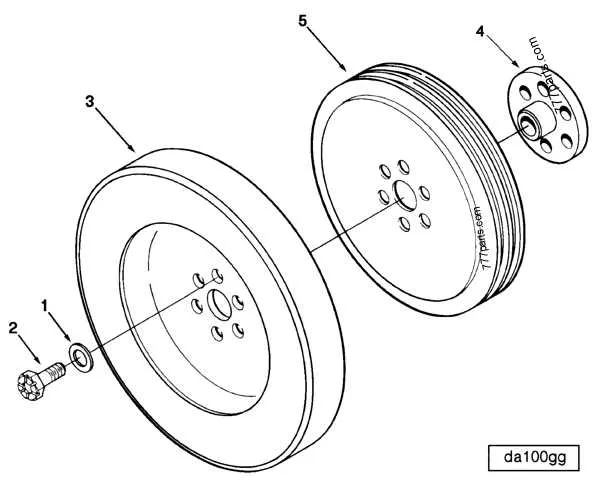
For John Deere pulley systems, accurate torque values are critical to ensure optimal performance and longevity. Below are the recommended torque specifications for various pulley models:
John Deere 4000 Series (Various Models): Torque should be set between 45-55 lb-ft for standard pulleys. If using heavy-duty pulleys, tighten to 60 lb-ft for added durability.
John Deere 6000 Series (Various Models): For pulleys on the 6000 Series, apply 80-100 lb-ft of torque. Ensure the pulley nut is torqued uniformly to avoid imbalance or wear.
John Deere 7000 Series: The recommended torque range is 95-115 lb-ft for standard models. For larger, reinforced pulleys, torque should be adjusted to 120 lb-ft.
John Deere 8000 Series: Pulley torque for these models varies between 120-140 lb-ft depending on the specific pulley size. Larger pulleys may require up to 150 lb-ft for secure attachment.
Always verify the specifications for each individual machine model, as minor differences in pulley configurations can affect the required torque. Adjust according to manufacturer guidelines to prevent damage or malfunction.
How to Properly Tighten Pulley Bolts on John Deere Equipment
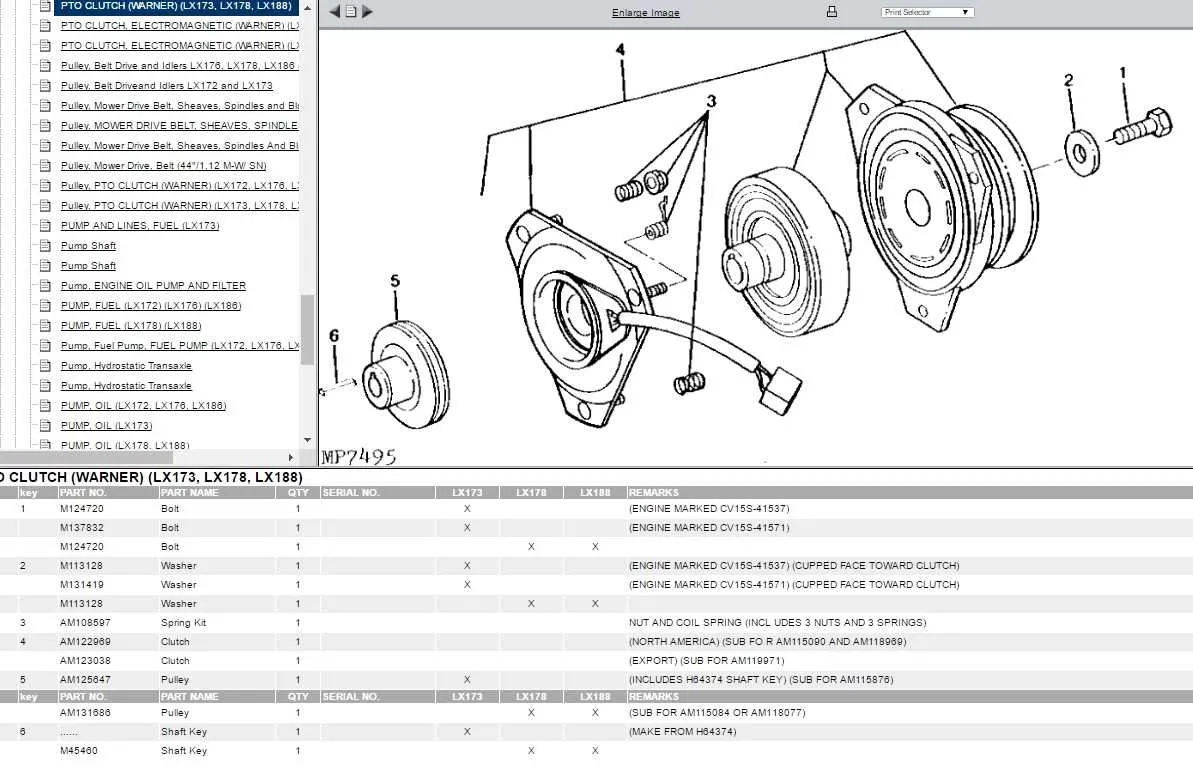
Ensure the pulley bolt is aligned properly before tightening. Use a torque wrench to achieve the correct torque specification for your specific John Deere model. The typical range for pulley bolts on most models is between 50-70 ft-lbs. Always check the operator’s manual for model-specific values.
Start by tightening the bolt by hand until it’s snug. Then, use the torque wrench to tighten it to the specified value. Tighten the bolt gradually in a crisscross pattern to ensure even pressure distribution across the pulley.
If the bolt feels resistant, avoid forcing it, as this can lead to thread damage. If necessary, apply a small amount of anti-seize lubricant to the bolt threads to prevent seizing during future maintenance.
After reaching the recommended torque, double-check the tightness. Periodically inspect the pulley bolts for wear or loosening, especially after heavy use or maintenance activities. Keeping bolts properly torqued ensures the safety and efficiency of your equipment.
Common Issues with Pulley Torque and Troubleshooting Tips
Incorrect pulley torque can lead to excessive wear and premature failure of the pulley system. Common issues include under-tightening, over-tightening, and uneven torque application. These problems often result in noisy operation, belt misalignment, and even damage to the crankshaft or pulley itself.
Under-tightening pulley bolts can cause slippage, especially in high-load applications. If you notice unusual noise or vibrations, it’s a sign that the pulley is not securely fastened. Use a calibrated torque wrench to achieve the specified torque value and avoid any movement of the pulley during operation.
Over-tightening bolts can distort the pulley or damage the mounting surface. Always follow the manufacturer’s torque specifications precisely to prevent over-stressing components. A common mistake is relying on feel or guesswork rather than accurate torque measurement, which can result in costly repairs.
Uneven torque application can cause the pulley to seat improperly. Ensure that the torque is applied in a crisscross pattern, gradually reaching the required torque specification. This method helps distribute the pressure evenly across the pulley and its mounting surface, preventing warping or cracking.
Another issue is the use of incorrect tools. A torque wrench with improper calibration or a worn-out ratchet can give inaccurate readings. Always verify that your tools are in good condition and correctly calibrated before tightening any bolts.
If the pulley continues to experience issues despite proper torque, check the condition of the belt and surrounding components. A damaged belt or misaligned components can add extra stress to the pulley system, making it difficult to maintain correct torque settings. Regular inspection and maintenance will prolong the life of both the pulley and other related components.