John Deere 200D Excavator Specifications and Performance Features
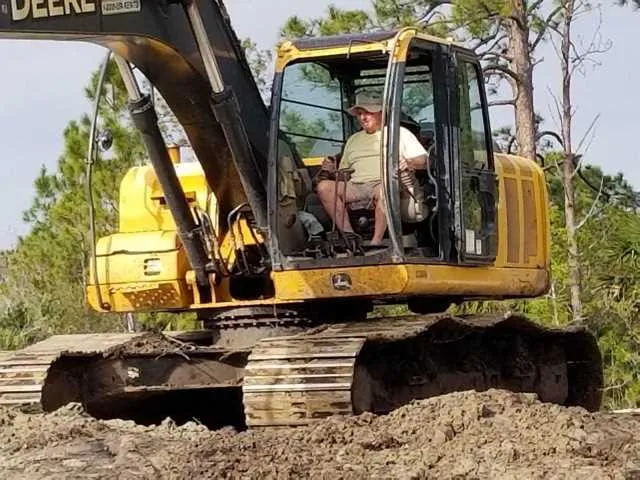
The John Deere 200D excavator is built for durability, high performance, and versatility in various demanding environments. It combines strong digging power with impressive fuel efficiency, making it an excellent choice for contractors and heavy equipment operators.
With a maximum operating weight of 20,500 kg, the 200D can tackle a wide range of tasks, from digging and lifting to grading and demolition. Its engine power of 130 hp ensures that it can handle tough jobs without compromising on efficiency. A digging depth of 6.3 meters and a reach of 9.4 meters allows for extended operations in hard-to-reach areas, boosting productivity and versatility.
For operators, comfort is a key feature. The John Deere 200D offers a spacious cab with intuitive controls, providing an ergonomic experience for long work shifts. The hydraulic system is optimized for faster response times, enhancing control over various attachments. This makes the 200D a reliable and flexible tool for any construction site.
John Deere 200 D Excavator Specs
The John Deere 200 D Excavator is a reliable machine for construction and heavy-duty tasks. With its robust engine and efficient hydraulic system, it’s built for both power and precision. Here are the key specifications:
Engine Power: The JD 200 D is equipped with a 6.8-liter, 6-cylinder diesel engine that produces approximately 123 horsepower (92 kW), ensuring it has the power to handle challenging projects without compromise.
Operating Weight: Weighing around 20,000 kg (44,092 lbs), the 200 D strikes a balance between portability and strength, making it suitable for a range of work sites.
Digging Depth: The maximum digging depth is 6.5 meters (21.3 ft), allowing operators to tackle deep excavation tasks with ease.
Bucket Capacity: This model can accommodate buckets with capacities ranging from 0.6 to 1.2 cubic meters (0.79 to 1.57 cubic yards), offering flexibility depending on the job’s demands.
Lift Capacity: With a lift capacity of up to 6,700 kg (14,770 lbs) at full reach, the John Deere 200 D can handle heavy lifting with confidence.
Hydraulic System: The hydraulic pump delivers a flow rate of 200 liters per minute (52.8 gallons per minute), providing the power necessary for quick and smooth operation of attachments and digging tools.
Fuel Tank Capacity: The excavator’s fuel tank holds 350 liters (92.5 gallons), offering extended operating time between refueling sessions, ideal for long workdays.
Dimensions: The JD 200 D has a length of 10.2 meters (33.5 ft) and a width of 3.0 meters (9.8 ft), which allows it to maneuver effectively while offering stability during operations.
Travel Speed: The travel speed reaches up to 5.5 km/h (3.4 mph), ensuring the excavator can quickly move between work sites or shift positions on the job site.
With these specs, the John Deere 200 D Excavator is designed to meet the demands of both small and large-scale projects, providing power, stability, and efficiency in one package.
Engine Performance and Power Output of John Deere 200 D Excavator
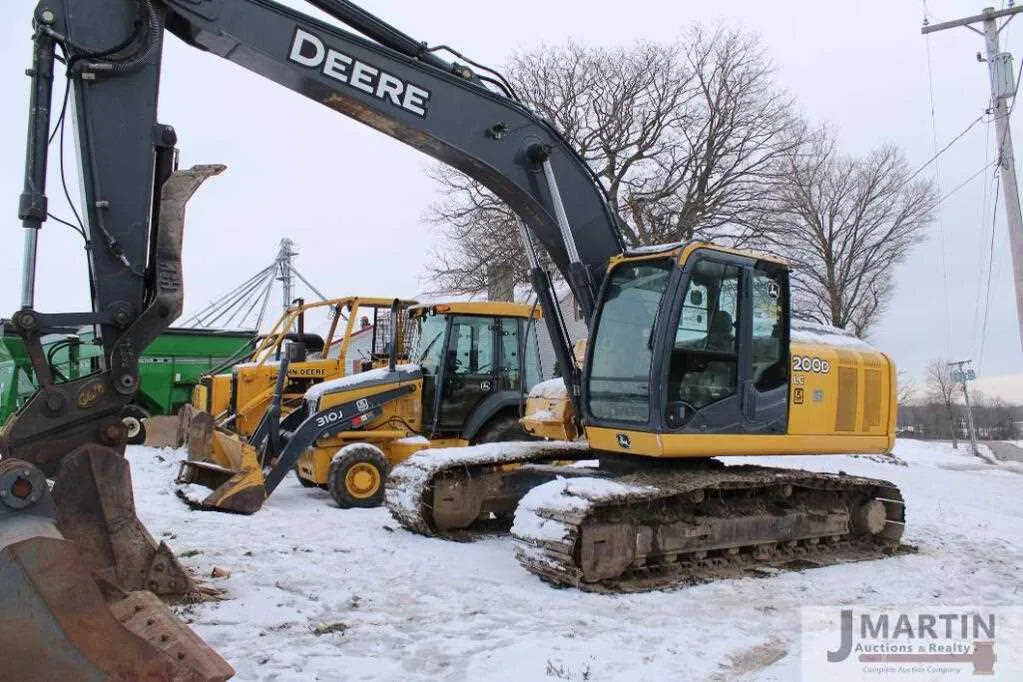
The John Deere 200 D Excavator is powered by a 6-cylinder, turbocharged diesel engine, delivering impressive performance for demanding tasks. The engine provides a power output of 124 horsepower (92 kW), offering the necessary strength for heavy digging, lifting, and moving operations.
With a displacement of 6.8 liters, this engine ensures smooth operation even under high loads. The turbocharging system increases the air intake, improving fuel efficiency and power delivery without compromising on performance during extended work hours.
The engine’s maximum torque is rated at 502 Nm at 1,400 RPM, allowing for quick and effective movement, even in tough terrains. Its design focuses on reducing fuel consumption while maintaining optimal power for precise control during operation.
Thanks to its electronic fuel injection system, the engine responds quickly to changes in load, ensuring that power is always available when needed, improving both performance and operational cost-efficiency.
For operators requiring reliable and consistent performance in construction and mining projects, the John Deere 200 D’s engine offers a solid balance between power, fuel efficiency, and durability, making it a valuable asset on any job site.
Hydraulic System and Lifting Capacity in the John Deere 200 D
The hydraulic system in the John Deere 200 D Excavator is engineered for optimal performance. It features a powerful pump with a flow rate of 223 L/min (59 GPM), which provides ample power for digging, lifting, and various other tasks. This system ensures smooth operation, allowing for quick response times and efficient operation in demanding environments.
The lifting capacity of the John Deere 200 D is impressive. It can lift up to 9,300 kg (20,500 lbs) at a 3-meter (9.8 feet) radius. The maximum lift height reaches approximately 9.2 meters (30.2 feet) with the arm fully extended, making it suitable for a wide range of applications, from heavy lifting to precise material handling in construction or demolition projects.
For safety and stability during lifting operations, the excavator is equipped with a well-balanced undercarriage and a sophisticated counterweight system. This helps maintain steady performance, even when handling heavy loads at full extension. The hydraulic design also minimizes energy loss, ensuring that power is transferred directly to the machine’s components for maximum lifting efficiency.
Maintenance and Service Intervals for John Deere 200 D Excavator
Regular maintenance is key to keeping the John Deere 200 D Excavator running smoothly. Follow these guidelines for optimal performance and longevity.
- Engine Oil Change: Replace engine oil every 500 hours of operation. Use high-quality oil that meets the engine manufacturer’s specifications.
- Oil Filter Replacement: Change the oil filter with every oil change to ensure clean lubrication and proper engine performance.
- Fuel Filter Replacement: Inspect and replace the fuel filter every 500 hours. A clean filter ensures optimal fuel flow and prevents engine damage.
- Air Filter Maintenance: Clean the air filter every 250 hours. Replace it if it shows signs of wear or clogging. A clean air filter improves engine efficiency and reduces fuel consumption.
- Hydraulic System: Check hydraulic fluid levels and inspect the system for leaks every 250 hours. Change the hydraulic fluid and filter at least every 2000 hours.
- Cooling System: Inspect coolant levels and condition regularly. Replace the coolant every 2000 hours or as recommended by the manufacturer.
- Undercarriage Inspection: Check the undercarriage, including tracks, rollers, and sprockets, every 500 hours. Tighten any loose bolts and replace worn parts to prevent uneven wear.
- Battery Maintenance: Clean battery terminals and check for corrosion at least every 100 hours. Replace the battery if it shows signs of failure.
- Hydraulic Filters: Change hydraulic filters every 1000 hours to maintain the performance and longevity of the hydraulic system.
Sticking to these intervals will help maintain peak performance and minimize downtime. Always follow the manufacturer’s recommended schedule and use genuine parts for replacements.