Battery Specifications for John Deere 485 Tractor
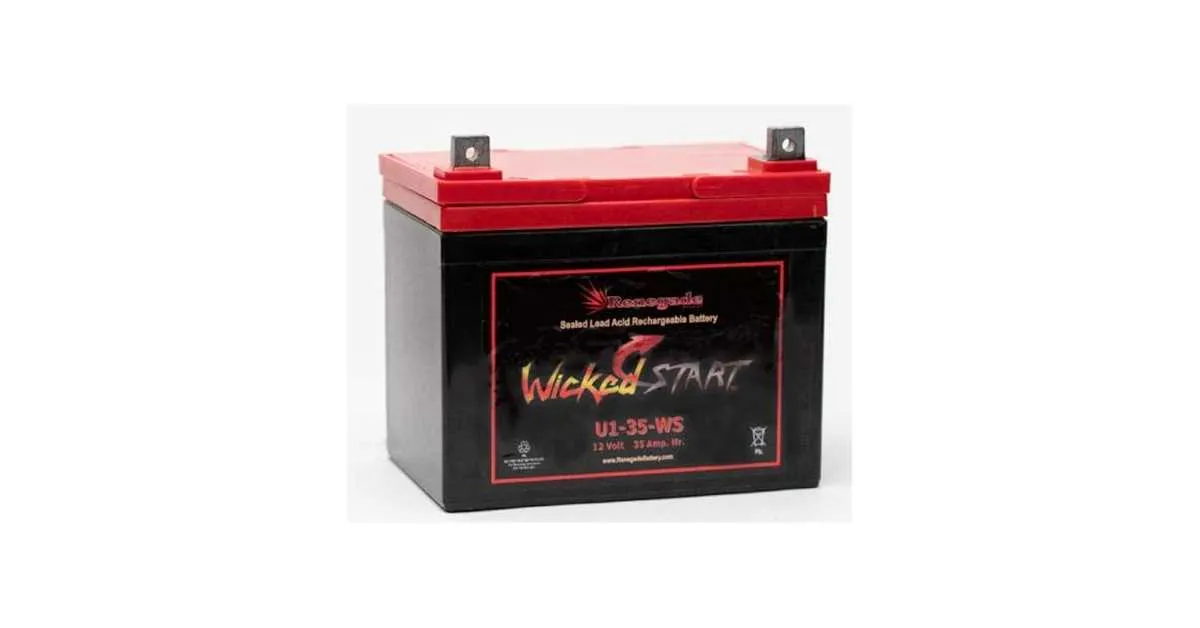
The John Deere 485 requires a 12-volt battery to operate effectively. Ensure that the battery capacity meets the recommended CCA (Cold Cranking Amps) for reliable performance in colder weather conditions. The ideal CCA rating for this model is typically around 650-750 amps, which ensures that the engine starts smoothly even in low temperatures.
Always use a battery that is compatible with the size and terminal configuration specified by the manufacturer. A group size 24F battery is typically a good fit. Double-check the dimensions to confirm proper fitment in the compartment, preventing potential issues during installation.
Battery maintenance is equally important. Regularly check the battery’s charge levels and inspect the terminals for any corrosion. A fully charged battery will maintain better power delivery and reduce the risk of failure during operation.
Battery Specifications for John Deere 485
The John Deere 485 tractor requires a high-performance battery to ensure reliable starts and optimal functionality. The recommended battery specification includes a 12-volt system with sufficient cold cranking amps (CCA) to handle the demands of various field conditions.
Ensure the battery capacity aligns with the tractor’s engine and electrical requirements. Here are the key specifications:
| Specification | Details |
|---|---|
| Voltage | 12V |
| Cold Cranking Amps (CCA) | 650 CCA or higher |
| Reserve Capacity (RC) | 120 minutes |
| Type | Flooded Lead-Acid or AGM (Absorbent Glass Mat) |
| Dimensions | 10.25 x 6.85 x 8.875 inches |
| Terminal Configuration | Standard top-post |
For optimal performance, maintain the battery regularly by checking its charge level, cleaning terminals, and ensuring proper connections. If your tractor is used in extreme weather conditions, select a battery with a higher CCA rating to avoid starting issues during colder months.
Always choose a battery from a trusted manufacturer, ensuring it meets the exact specifications for your John Deere 485 model. A properly installed and maintained battery can extend the life of your equipment and improve its operational efficiency.
Optimal Battery Size and Voltage for John Deere 485
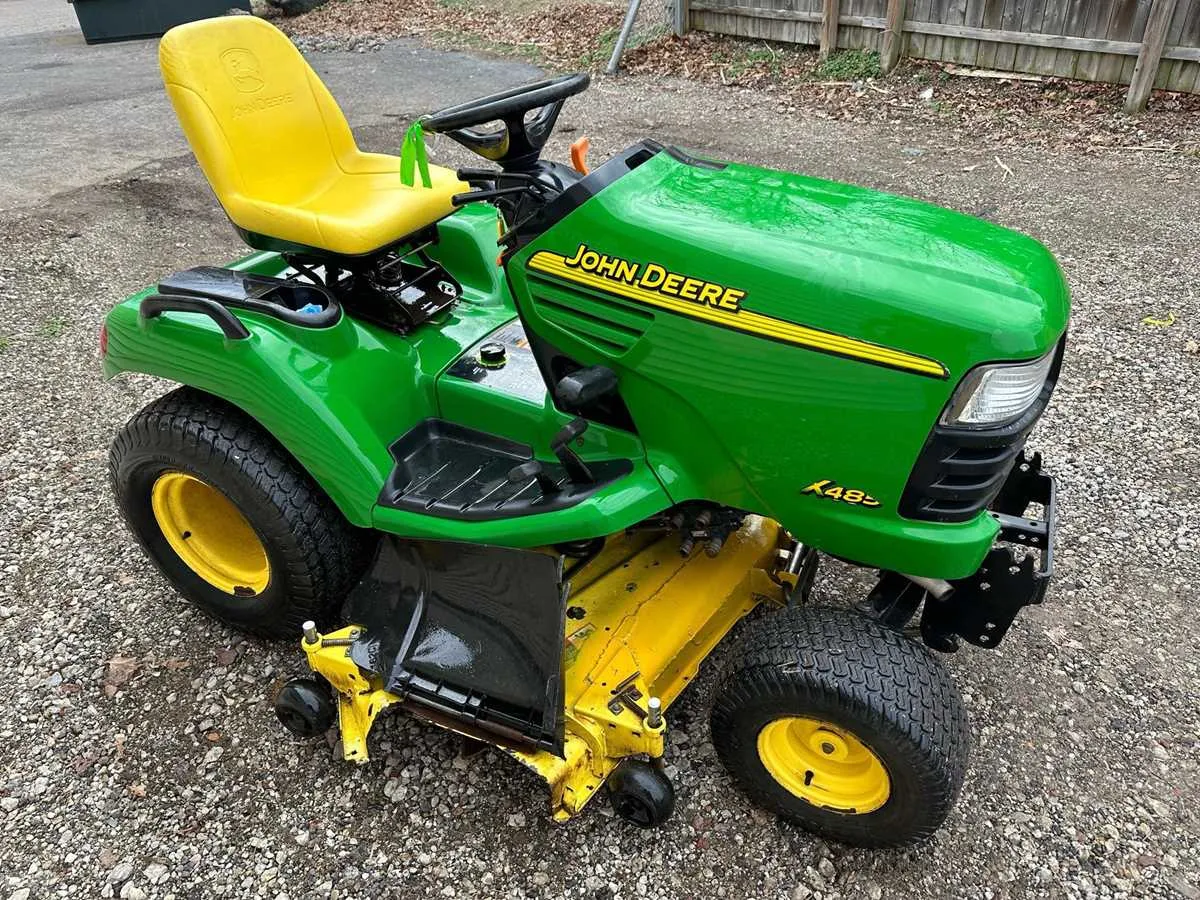
The recommended battery for the John Deere 485 should meet specific size and voltage requirements to ensure proper operation. For this model, a 12V battery is essential for optimal performance. This voltage level is standard for the system and allows all electrical components to function smoothly.
The ideal battery size for the John Deere 485 is typically a group 31 or equivalent, which offers a good balance between size and capacity. A battery with the following characteristics is recommended:
- Voltage: 12V
- Capacity: 600 CCA (Cold Cranking Amps) or higher
- Reserve Capacity: 140 minutes or more
Ensure the battery has sufficient cranking amps to handle starting the engine, especially in cold weather conditions. A higher CCA rating is beneficial in maintaining engine startup performance even during harsh temperatures.
Properly matching the battery size and voltage ensures that the John Deere 485 operates efficiently and reliably. Always verify compatibility before installation, and regularly check the battery’s health to avoid unexpected downtime.
How to Properly Maintain the Battery of John Deere 485
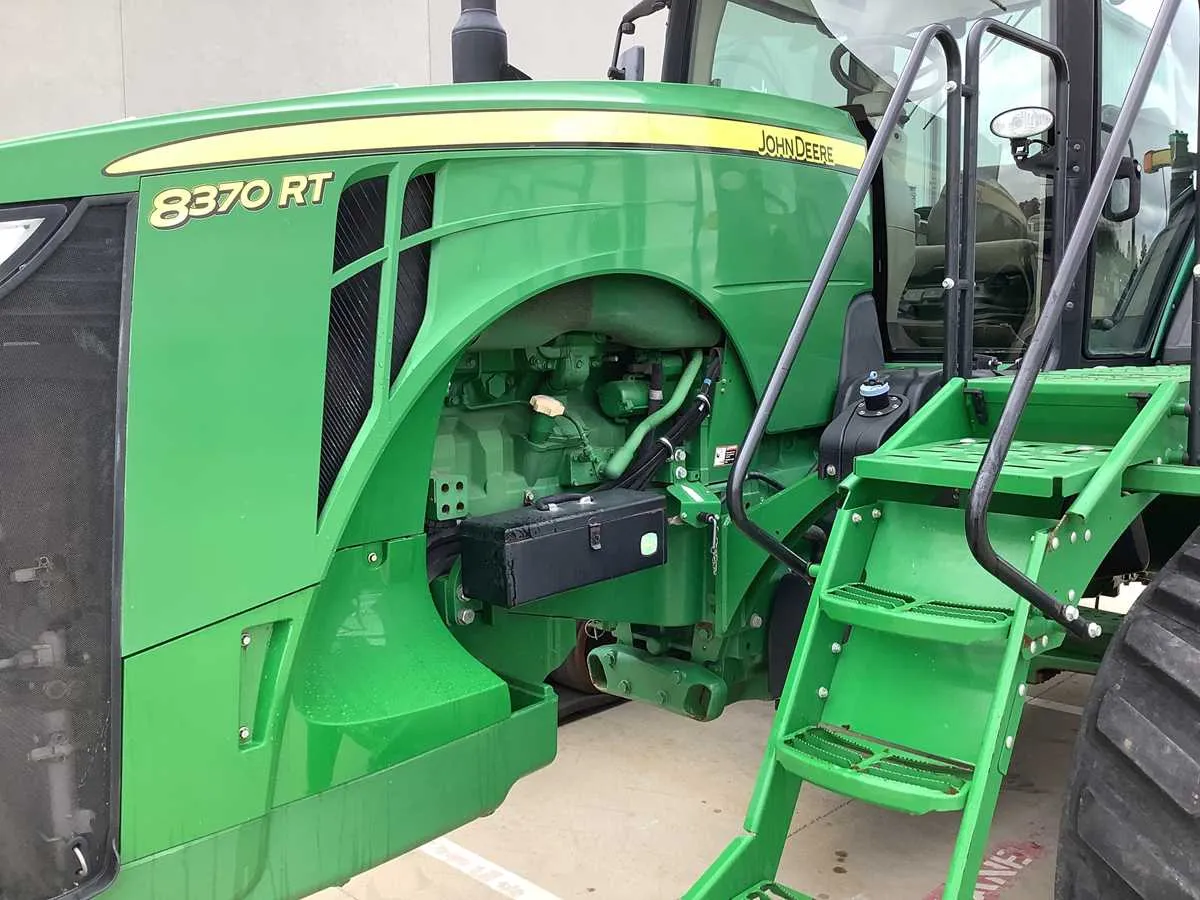
Inspect the battery terminals monthly and clean them if you see corrosion. Use a wire brush and a mixture of baking soda and water, then rinse with clean water and dry thoroughly.
Check the electrolyte level in each cell if you have a serviceable lead-acid battery. Refill with distilled water only, keeping the level above the plates but below the filler neck.
Test the voltage regularly using a multimeter. A fully charged 12V battery should show around 12.6 to 12.8 volts when the engine is off. If the reading falls below 12.4 volts, recharge the battery using a regulated charger.
Ensure tight and secure battery connections. Loose terminals can cause starting problems or damage the charging system. Tighten them gently without overtightening to avoid cracking the case.
Store the equipment in a dry place and disconnect the battery during long storage periods. Use a trickle charger to maintain charge if the machine remains unused for weeks.
Replace the battery when it no longer holds a charge or if voltage drops rapidly under load, even after charging. Most batteries for this model last around 3 to 5 years under normal use.
Signs of Battery Failure and Replacement Guidelines
Weak or Slow Cranking: If the engine turns over slowly or requires multiple attempts to start, the battery’s charge is likely low or its capacity is deteriorating. This is one of the first signs that your battery may need replacing.
Electrical Malfunctions: Dim headlights, malfunctioning electronics, or inconsistent power in accessories (like the radio or air conditioning) can indicate that the battery is no longer holding sufficient charge.
Corrosion on Battery Terminals: Corrosion around the battery terminals can reduce the flow of electricity, leading to starting issues or total failure. Inspect the terminals regularly for any buildup of white or greenish substance.
Battery Age: Batteries typically last between 3 to 5 years depending on usage and environmental conditions. If your battery is older than this, consider replacing it before a failure occurs.
Frequent Jump Starts: If your equipment needs frequent jump-starts or if the battery frequently drains, it’s a sign that the battery is no longer maintaining a charge and needs replacement.
Replacement Guidelines: Choose a battery that matches the voltage and capacity requirements of your John Deere 485. Check the manufacturer’s specifications for the correct battery size, type, and voltage. Always opt for high-quality batteries to ensure consistent performance.
Proper Disposal: When replacing the battery, dispose of the old one properly at a recycling center. Many locations offer battery recycling programs to prevent environmental harm.