Specifications and Features of the John Deere F725 Engine
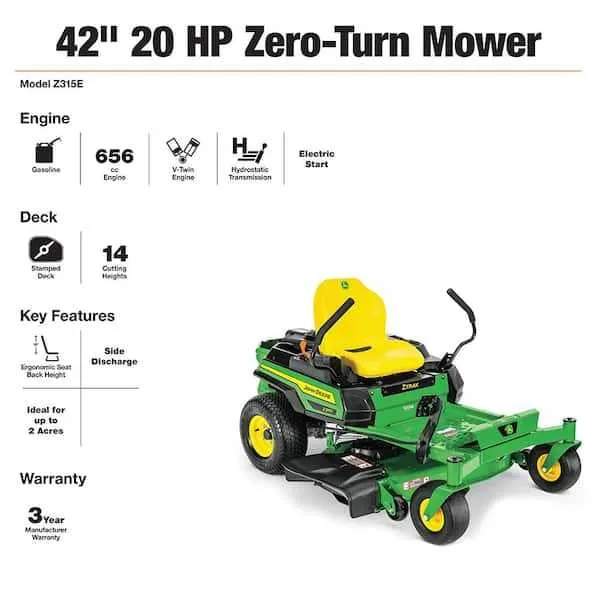
The John Deere F725 is equipped with a powerful engine designed for reliable performance in a variety of lawn care tasks. Its engine, the Kawasaki FH580V, is a V-twin air-cooled motor with a displacement of 603 cc. With a gross horsepower rating of 18.5 hp, it delivers ample power to handle demanding mowing operations, ensuring efficient fuel consumption and reduced maintenance costs.
One of the standout features of the F725 engine is its 12-volt electric start, making the ignition process quick and easy. The overhead valve (OHV) design allows for improved fuel efficiency, better combustion, and less engine wear over time. Additionally, the engine is paired with a heavy-duty air filtration system, which helps keep debris from entering the engine, extending its lifespan.
The engine operates at a top speed of 8.5 mph (13.7 km/h), ideal for swift, precise movements on large properties. It is also designed with a full-pressure lubrication system that ensures optimal oil distribution, maintaining smooth engine operation during continuous use. These engine specifications make the John Deere F725 an excellent choice for both professional landscapers and homeowners looking for high-quality, long-lasting lawn equipment.
John Deere F725 Engine Specifications
The John Deere F725 features a powerful engine, designed to deliver consistent performance in various lawn care tasks. Below are the key specifications:
- Engine Model: Kawasaki FH580V
- Engine Type: Air-cooled, V-twin
- Displacement: 603 cc
- Power Output: 18.5 hp (13.8 kW) at 3,600 rpm
- Compression Ratio: 8.0:1
- Fuel System: Carburetor
- Fuel Capacity: 12.5 liters
- Oil Capacity: 2.1 liters
- Air Filter: Dual element
- Cooling System: Air-cooled
This engine configuration provides the F725 with the power needed for demanding mowing and other outdoor tasks. The dual-element air filter ensures optimal airflow, while the air-cooled system keeps the engine running smoothly under load. With a fuel tank capacity of 12.5 liters, it can work for extended periods without frequent refueling.
For routine maintenance, it’s recommended to use high-quality oil and replace the air filter regularly to maintain engine performance. Regular checks of the fuel system and cooling components will further ensure the longevity of the engine.
Engine Performance and Power Output
The John Deere F725 engine delivers impressive performance with its 18 horsepower, powered by a 2-cylinder, air-cooled engine. The engine provides consistent power to handle various tasks, from mowing to light utility work. With a displacement of 500cc, it ensures a smooth and reliable operation in a range of conditions.
This engine’s power output allows the F725 to maintain high torque at low speeds, making it well-suited for tasks that demand control and stability. Its mechanical design enhances fuel efficiency, ensuring that the engine can run for extended periods without frequent refueling.
The engine features an electronic ignition system that promotes easy starting and reliable performance, even in cold weather. This design ensures that the engine runs smoothly, providing a consistent output for lawn care and other outdoor tasks.
Fuel System and Efficiency Features
The John Deere F725 engine features a reliable fuel system designed for optimal performance. It utilizes a gravity-fed fuel system, which ensures a steady flow of fuel to the engine without requiring complex pump mechanisms. This design reduces maintenance needs and enhances system durability over time.
The engine is equipped with a carburetor that adjusts fuel delivery based on engine demand, improving fuel efficiency during varying load conditions. The carburetor’s precision ensures minimal fuel waste and helps maintain engine stability across different operating scenarios.
For fuel efficiency, the engine employs a throttle linkage system that finely controls fuel flow. This feature optimizes fuel consumption, allowing operators to manage fuel use effectively while maintaining power output. It also contributes to lower exhaust emissions, making the engine more environmentally friendly.
The fuel tank is designed for easy access and quick refueling. It has a capacity that allows for extended run times, reducing the frequency of refueling and enhancing operational efficiency in longer tasks. Additionally, the fuel lines are routed to minimize risks of leaks, ensuring a safe and smooth operation.
Maintenance Requirements and Service Intervals
Change the oil every 100 hours of operation or at least once per year, whichever comes first. Use high-quality oil that meets the manufacturer’s specifications for optimal engine performance.
Check the air filter every 50 hours and replace it if it appears dirty or damaged. A clean air filter ensures the engine receives the proper air supply, improving fuel efficiency and overall performance.
Inspect the spark plugs at 100-hour intervals. If there’s any sign of corrosion or wear, replace them to maintain smooth ignition and prevent misfires.
Inspect the fuel filter every 200 hours or as needed, depending on fuel quality. A clogged filter can lead to poor engine performance and fuel inefficiency.
Ensure the battery is checked and cleaned every 100 hours. Keep the terminals free of corrosion and ensure the battery is fully charged to avoid power failures during operation.
Grease the machine’s moving parts every 25 hours or as specified in the service manual to prevent wear and tear on critical components like the steering and wheel axles.
Examine the tire pressure regularly, particularly before each use, to maintain proper handling and even tire wear.
For major engine components, consider an annual service check-up to ensure everything is in working order and to address potential issues before they become more serious.