3020 John Deere Gas Engine Compression Specifications and Key Details
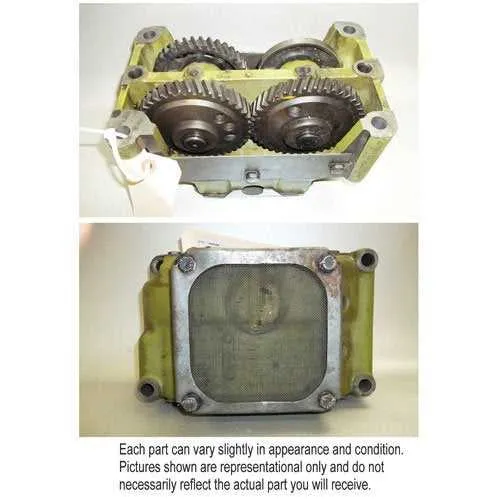
If you’re working on a 3020 John Deere gas engine, it’s crucial to maintain the proper compression for optimal engine performance. The standard compression range for the 3020 engine is between 120 and 150 psi per cylinder. Anything outside this range might indicate a need for further investigation into the engine’s health, whether it’s a worn-out piston ring, faulty valve seals, or a leaky head gasket.
To accurately measure compression, you’ll need a reliable compression gauge. Perform the test with all spark plugs removed and the throttle wide open. A reading consistently below 120 psi could be a sign of internal wear, whereas a reading above 150 psi might indicate issues like carbon buildup or incorrect valve timing.
It’s important to compare the readings of each cylinder. Significant variation between cylinders points to uneven wear or mechanical issues. Addressing these issues early can help prevent more severe damage down the line, saving time and money on repairs.
After assessing the compression, be sure to check for other potential problems, such as air intake or fuel delivery issues. Maintaining your 3020 engine with regular checks on compression ensures it runs at peak efficiency and longevity.
3020 John Deere Gas Engine Compression Specs
The compression specification for the John Deere 3020 gas engine is crucial for proper engine performance and maintenance. The engine’s compression should typically range between 120 to 130 psi (pounds per square inch) per cylinder when the engine is in good condition. If the compression falls significantly below this range, it could indicate potential issues such as worn piston rings, damaged valves, or a blown head gasket.
When measuring compression, use a quality compression tester and ensure the engine is warmed up for more accurate readings. Perform the test with all spark plugs removed, and the throttle fully open. Any readings consistently below 100 psi suggest a need for further inspection or repairs.
If you notice uneven compression across cylinders, such as one or more cylinders reading significantly lower than others, a compression leak in that specific cylinder may be present. In such cases, conducting a leak-down test can provide more insight into whether the issue lies with the valves, piston rings, or other engine components.
It’s also recommended to check the engine’s oil regularly and replace it according to the manufacturer’s guidelines. Low oil levels or old, degraded oil can affect the engine’s overall compression and efficiency.
Optimal Compression Range for 3020 John Deere Gas Engine
The ideal compression range for the 3020 John Deere gas engine falls between 120 to 150 psi. A compression value below this range may indicate worn piston rings, valve issues, or cylinder head gasket failure. Conversely, values above 150 psi can point to excessive carbon buildup or valve sealing problems.
To ensure optimal performance, check the compression with the engine at operating temperature and the throttle wide open. If the compression readings are inconsistent across cylinders, it suggests an underlying mechanical issue that requires attention, such as uneven wear or valve misalignment.
Regular monitoring of compression helps maintain engine efficiency, reduce fuel consumption, and extend the engine’s lifespan. If compression is found to be outside the recommended range, addressing the root cause promptly can prevent more severe damage down the line.
How to Measure Compression on a 3020 John Deere Gas Engine
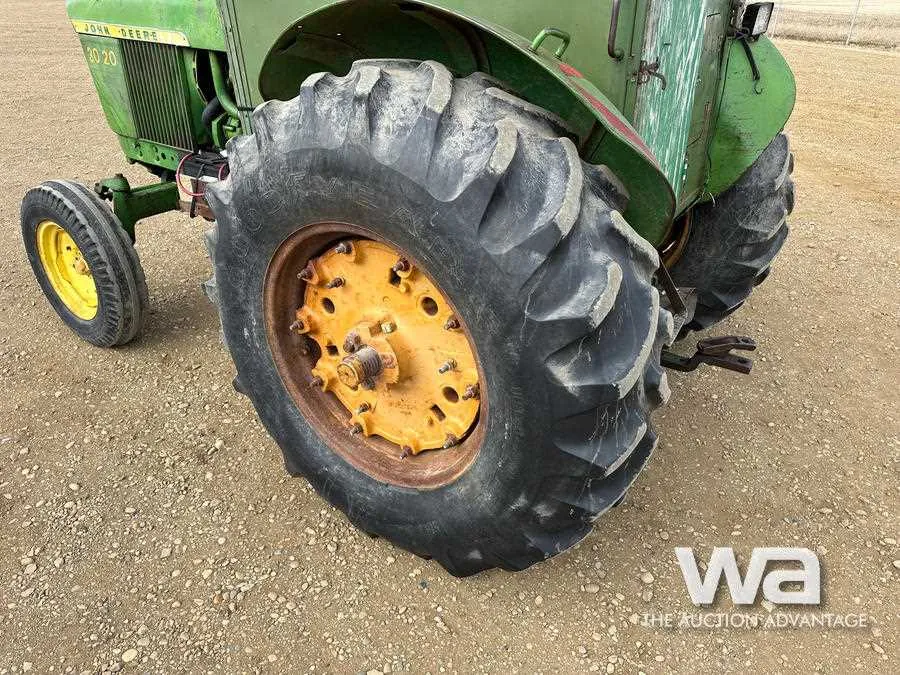
To measure the compression on a 3020 John Deere gas engine, start by removing the spark plugs to prevent the engine from starting during testing. Ensure that the throttle is fully open and the choke is off. Next, connect a compression gauge to the spark plug hole for one cylinder. Crank the engine for about 5 to 8 revolutions to get an accurate reading. Keep track of the maximum compression reading displayed on the gauge.
Repeat this process for all cylinders, as compression can vary between them. A healthy engine should show a compression reading between 140-175 psi per cylinder. If the readings fall below 120 psi or show significant variation between cylinders, it may indicate worn-out rings, valves, or other internal issues.
After testing, inspect the gauge to ensure it’s functioning properly and clean any debris from the spark plug holes before reinstalling the spark plugs. If you find low compression, perform a wet compression test by adding a small amount of oil into the cylinder to see if the reading improves. If the compression rises, the issue is likely with the piston rings. If it doesn’t, the problem might be with the valves or head gasket.
Common Compression Issues and Troubleshooting for the 3020 John Deere Gas Engine
If your 3020 John Deere gas engine shows signs of poor performance, low compression is likely the culprit. Regularly check the compression across all cylinders to identify any inconsistencies. Ideal compression for this engine should fall between 120-150 psi. Anything significantly lower indicates a problem.
Here are the most common compression issues and how to address them:
- Worn Pistons and Rings: If compression is low, worn pistons or rings are a common cause. To check, remove the cylinder head and inspect the piston rings for wear or scoring. Replacing damaged rings will restore compression.
- Valve Problems: Leaky valves can cause a loss of compression. Over time, the valve seats may wear out, or carbon build-up can create an improper seal. Check the valves for any visible wear or carbon deposits. Cleaning or reseating the valves often resolves the issue.
- Head Gasket Failure: A blown head gasket can result in a loss of compression, especially between adjacent cylinders. Inspect for visible leaks around the gasket or a loss of coolant. Replacing the head gasket is the solution here.
- Incorrect Valve Timing: If the timing is off, the engine’s valves may open or close at the wrong intervals, affecting compression. Use a timing light and reference the manufacturer’s manual to ensure correct timing. Adjusting the timing can restore proper compression.
- Punctured Cylinder: A crack or hole in the cylinder wall can result in severe compression loss. Inspect the cylinder walls for cracks using a bore scope or by removing the cylinder head. If a crack is found, cylinder reconditioning or replacement is necessary.
- Dirty or Clogged Air Filter: An air filter that is too dirty can cause poor engine performance, which may mimic compression issues. Check the air filter for dirt or damage and replace it if needed to ensure proper air intake.
After identifying the root cause of compression issues, you may need to perform cylinder head work, replace engine components, or fine-tune timing settings. Regular maintenance and timely repairs are key to keeping your 3020 John Deere gas engine running smoothly.