X9 John Deere Specifications and Features Overview
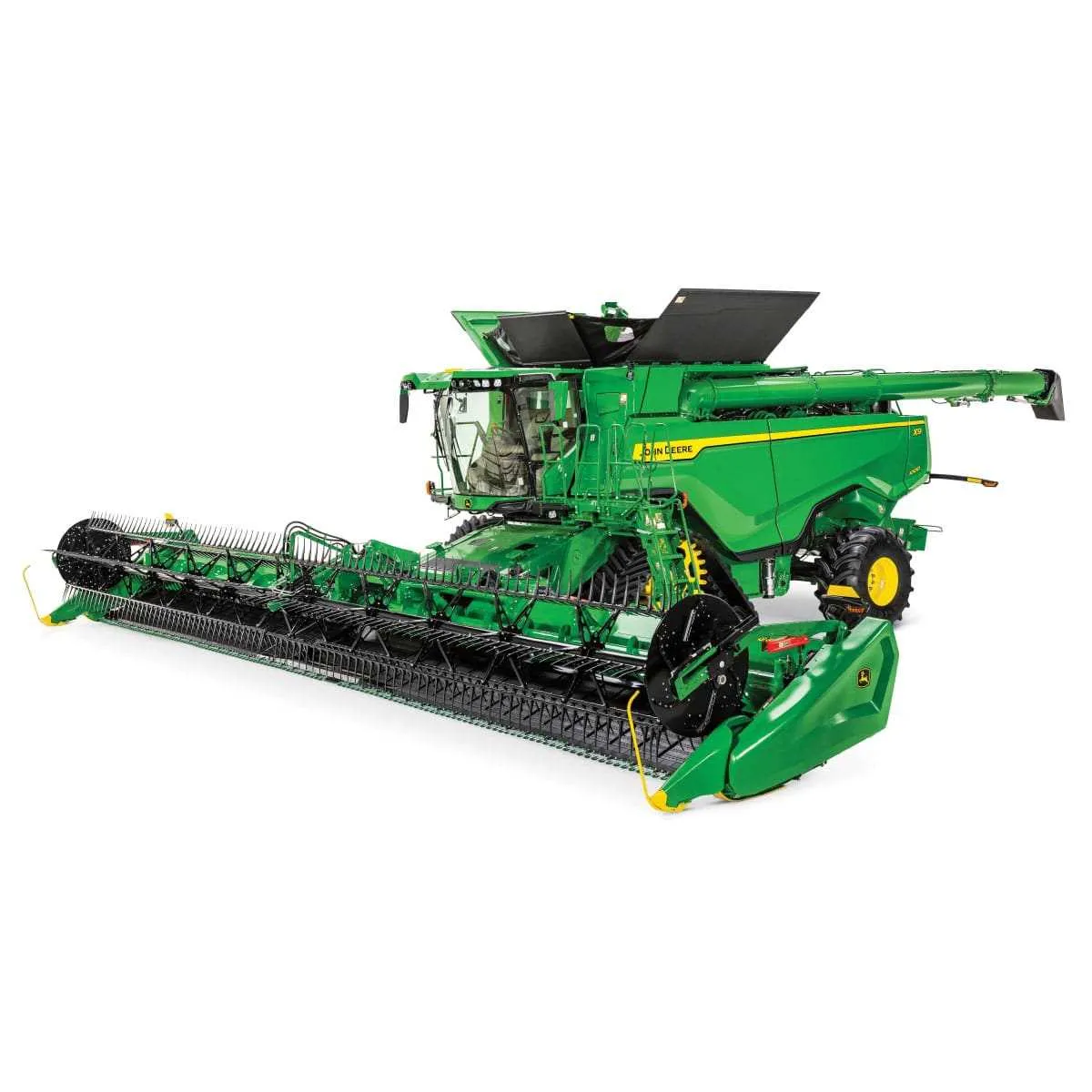
The John Deere X9 combines cutting-edge technology with high-performance capabilities, providing unmatched harvesting efficiency. Equipped with a powerful engine and advanced features, it is designed for large-scale farming operations that require maximum output and minimal downtime. Its impressive engine power reaches up to 690 horsepower, making it one of the most powerful combines on the market today.
The grain handling system in the X9 ensures faster and more efficient crop processing. With its large grain tank capacity of 400 bushels, the machine reduces the need for frequent unloading, thus increasing productivity. Coupled with its high-speed unloading auger, the X9 provides continuous operation, even in high-demand environments.
In terms of precision, the X9 is equipped with advanced GPS and auto-steering systems, which optimize harvesting routes, reduce overlap, and conserve fuel. The hydraulic system also provides exceptional power and efficiency, ensuring smooth and reliable operation throughout the day. The integration of these systems leads to better crop yield and reduced operational costs over time.
X9 John Deere Specs
The John Deere X9 series combines power, efficiency, and advanced technology for a superior harvesting experience. With a 13.6L engine, it delivers 640 horsepower, ensuring quick and effective performance in various field conditions. The X9’s high-efficiency rotor system ensures smooth grain handling and reduced crop loss, which is vital for maximizing productivity.
The combine features the TruSet™ technology, enabling operators to adjust settings with precision, adapting to field variability. Its advanced cleaning system, consisting of the patented ActiveTerrain™ and DualSource™ grain handling systems, enhances grain quality while maintaining efficiency across different crops. With a 5,000-bushel-per-hour unloading rate, the X9 minimizes downtime and maximizes harvesting capacity.
Moreover, the X9 includes a comfortable CommandCenter™ display, offering intuitive navigation and real-time analytics for optimized operation. Integrated with JDLink™, it provides remote diagnostics and performance tracking, improving fleet management. The larger fuel tank and reduced maintenance intervals make it a cost-effective option for extended field operations.
Designed for larger farms, the X9’s 40-ft header provides greater coverage, allowing you to harvest more in less time. The combine’s innovative cooling system ensures the engine stays at optimal temperature, even during long hours of use. This ensures reliability and longevity of key components, which reduces overall maintenance costs.
Engine Performance and Specifications of the X9 John Deere
The X9 John Deere combines powerful performance with advanced technology for top-tier harvesting efficiency. Its engine specs are designed to deliver consistent power, fuel efficiency, and durability in demanding agricultural tasks.
Equipped with a 13.6L or 15.0L engine, the X9 offers impressive horsepower ratings ranging from 640 to 690 hp, depending on the model. This engine setup ensures that the combine can operate at full capacity even in tough conditions. The turbocharged engine is designed to provide optimal power delivery while minimizing fuel consumption.
- Engine Type: 13.6L or 15.0L Turbocharged Diesel
- Horsepower: 640 to 690 hp
- Maximum Torque: 2,000 Nm
- Fuel Tank Capacity: 1,500 liters
- Air Intake System: Dual-stage air filtration for enhanced engine protection
The X9’s engine is coupled with the power management system, which automatically adjusts engine performance based on load and field conditions, providing more power when needed and conserving fuel during lighter operations. This system enhances productivity by minimizing downtime and maintaining consistent engine output.
Additionally, the engine’s cooling system features a dual-radiator design, ensuring optimal operating temperatures even under heavy workloads. This system, combined with advanced filtration, helps extend the engine’s lifespan and maintain performance in high-demand environments.
For operators, the X9 provides intuitive control over engine settings through the CommandCenter display, offering real-time data on engine performance, fuel usage, and maintenance needs. This feature ensures that operators can make informed decisions, optimizing machine operation and reducing overall operational costs.
The engine performance of the X9 John Deere is specifically designed to maximize efficiency, reliability, and power, making it one of the best choices for high-capacity harvesting operations.
Hydraulic and Transmission Features in the X9 John Deere
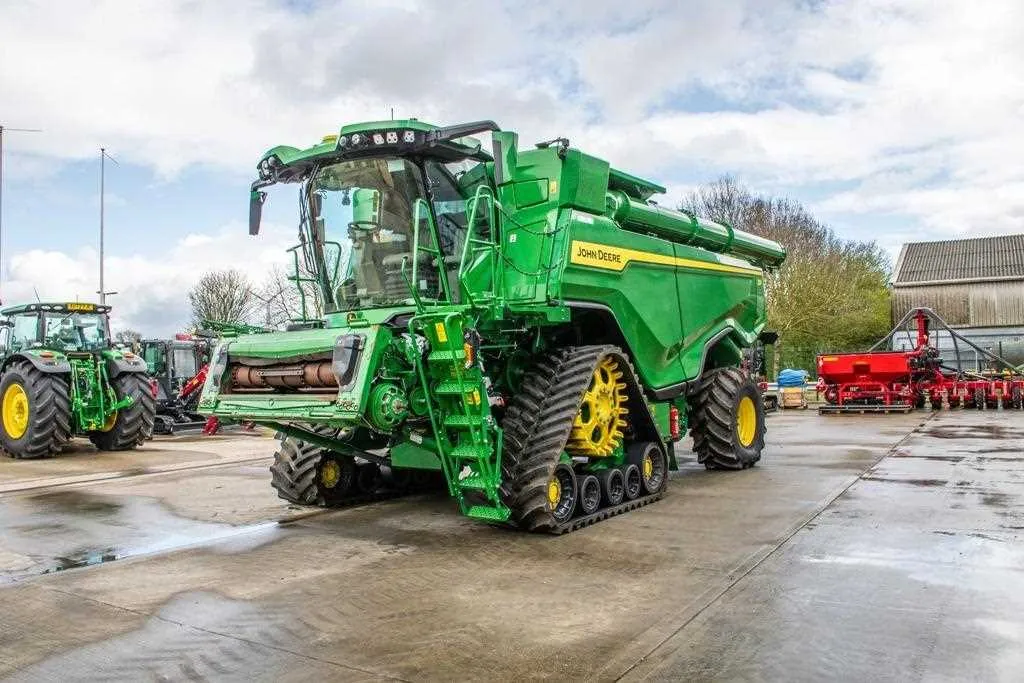
The X9 John Deere combines advanced hydraulic and transmission systems to deliver powerful performance in demanding agricultural environments. The hydraulic system offers a high-flow capacity, ensuring smooth operation and efficiency during heavy lifting and movement tasks.
The transmission is designed for seamless power delivery, incorporating a Continuously Variable Transmission (CVT) that optimizes engine output based on load conditions. This allows the operator to maintain consistent speed and torque without manual gear shifting, enhancing productivity and reducing operator fatigue.
For efficient power management, the X9’s hydraulic system integrates load-sensing valves that adjust pressure according to operational needs, minimizing fuel consumption and improving overall performance. Additionally, the hydraulic pump is capable of delivering high-flow rates for enhanced responsiveness in tasks requiring rapid movements, such as header adjustments and steering.
The transmission features an electronically controlled system that ensures quick response times while minimizing wear and tear. It is engineered to handle both high and low-speed operations, making the X9 suitable for various field conditions and crop types. The advanced gear ratio management helps maintain optimal speed without compromising torque or efficiency.
The hydraulic and transmission systems work in tandem to provide excellent control, durability, and reliability, enabling operators to maximize their productivity while minimizing downtime and maintenance costs.
Maintenance and Service Requirements for the X9 John Deere

Regular maintenance ensures the X9 John Deere operates at its highest potential. Perform oil changes every 250 engine hours to maintain engine performance and longevity. Use John Deere’s recommended engine oil for optimal results.
Inspect the air filter every 100 hours, replacing it when clogged or damaged. Clean the intake system and check for any blockages to avoid engine strain. A clean air filter improves fuel efficiency and reduces engine wear.
The hydraulic system should be checked for leaks and the fluid levels should be maintained within the recommended range. Replace hydraulic filters every 500 hours or when pressure loss is noted. Use the specified hydraulic fluid for optimal system performance.
Inspect the cooling system regularly, checking for coolant leaks and ensuring that the radiator is clean. Replace the coolant every 1,000 hours or as indicated by the diagnostic system. Ensure that the cooling fan and fan belts are in good condition and replace them if worn.
Service the transmission system at regular intervals, usually every 1,000 hours. This includes checking the fluid levels and inspecting for leaks or signs of wear. Transmission filters should be replaced as recommended by the manufacturer to ensure smooth operation and avoid costly repairs.
For the tires, monitor tread wear and tire pressure at least once a week. Ensure tire pressure is within manufacturer-recommended specifications to avoid uneven wear and maximize fuel efficiency.
Keep the combine’s sensor system calibrated. Periodic diagnostics should be run to ensure the sensors provide accurate data for optimal harvesting operations. This also helps in troubleshooting and identifying potential issues before they affect performance.
Lastly, keep an eye on the machine’s structural components, including belts, chains, and bearings. Replace any parts showing signs of wear or damage to prevent further damage and maintain productivity.