John Deere Aercore 2000 Specifications and Key Features
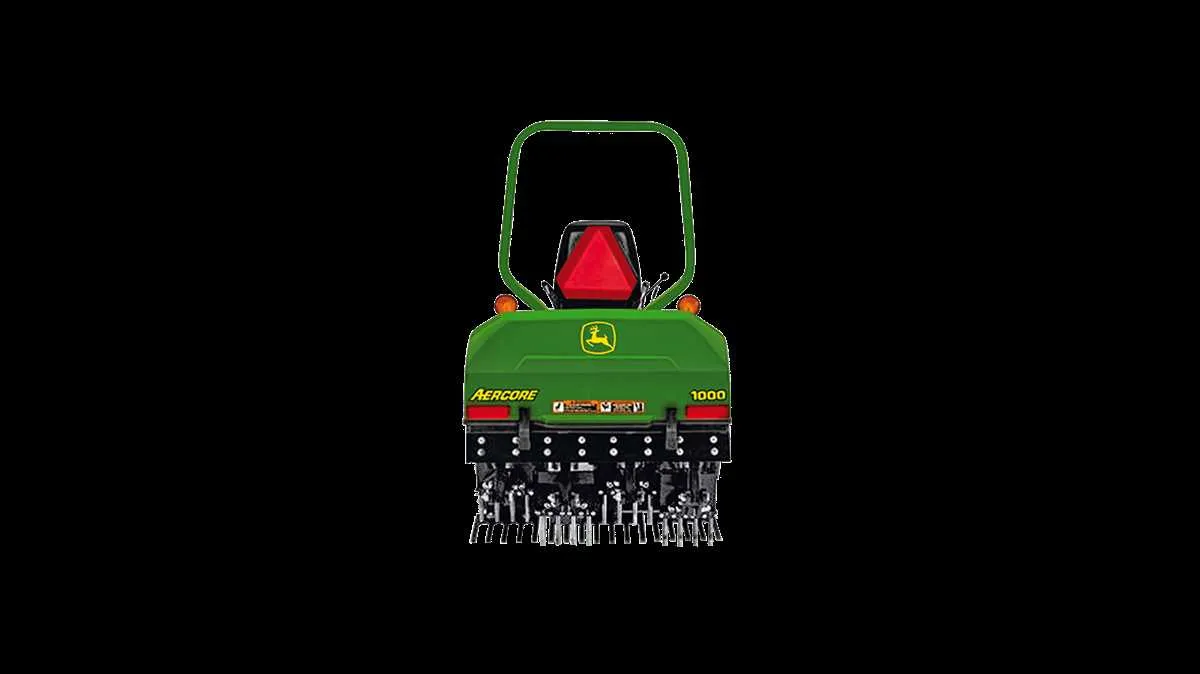
The John Deere Aercore 2000 offers exceptional performance in turf aeration. With its robust design and advanced technology, it’s built for high productivity in golf courses, sports fields, and large landscapes. Featuring a powerful engine and precise aeration capabilities, it provides consistent results and reduces compaction across various soil types.
Equipped with a hydraulic system that enhances lifting capacity and ensures smooth operation, the Aercore 2000 is optimized for both durability and user comfort. Its innovative tine system ensures efficient soil penetration, providing better air and water flow for healthier turf. The large hopper capacity allows for extended work intervals, minimizing downtime during large projects.
Maintaining the Aercore 2000 is straightforward due to its accessible design and minimal upkeep requirements. Its cutting-edge features, such as adjustable working depth and variable speed control, ensure flexibility and control over the aeration process. This machine is a solid choice for anyone seeking reliability and precision in turf management tasks.
John Deere Aercore 2000 Specs
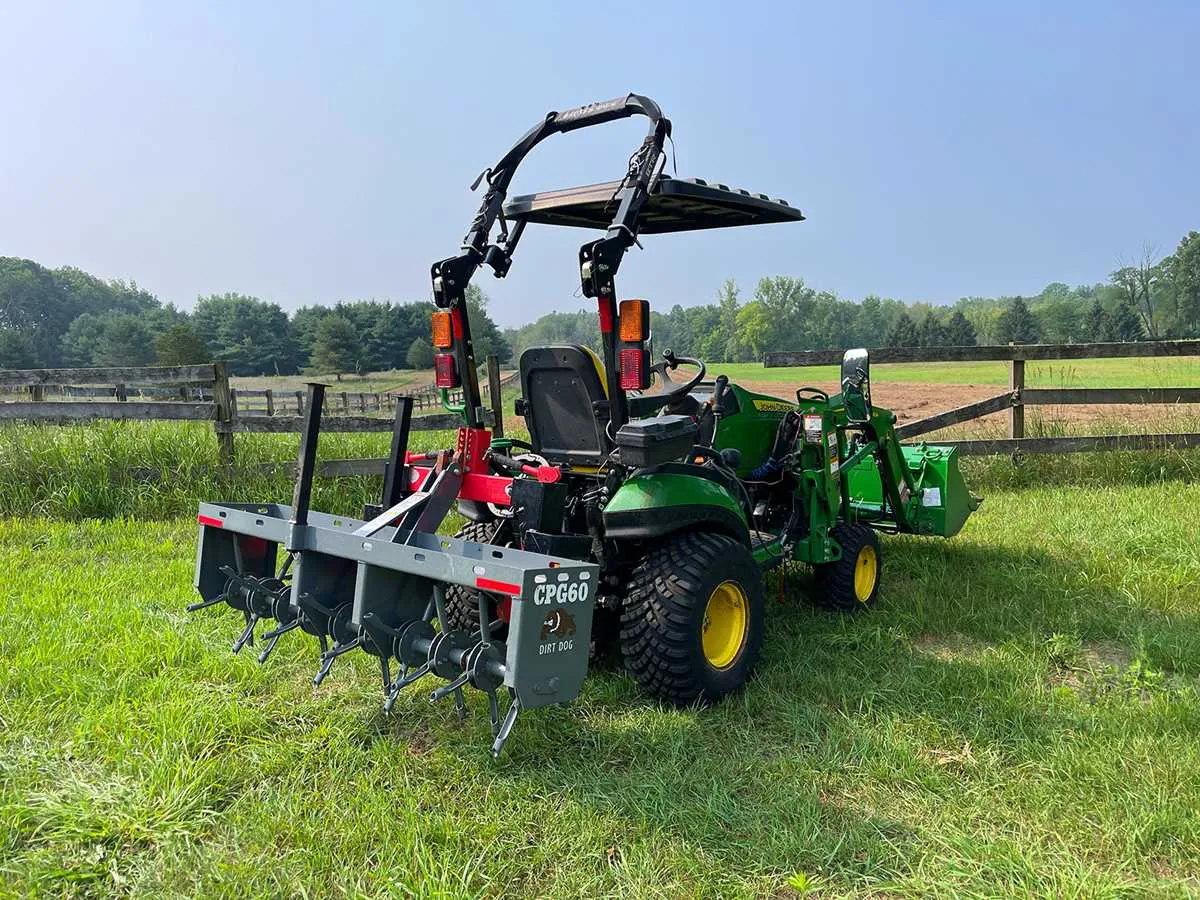
The John Deere Aercore 2000 is designed to deliver high-performance aeration. It features a powerful engine and an efficient hydraulic system, ensuring optimal operation for golf courses and sports fields.
Here are the key specifications:
- Engine Type: The Aercore 2000 is powered by a 22.5 hp (16.8 kW) Kawasaki engine, offering reliability and fuel efficiency.
- Working Width: The machine has an adjustable working width ranging from 36 to 64 inches, providing flexibility to cover various field sizes.
- Working Depth: The maximum working depth of 4 inches (101 mm) ensures thorough aeration to promote healthy turf growth.
- Hole Spacing: The Aercore 2000 can create hole spacings between 2.5 and 5 inches, allowing for customization based on soil conditions.
- Tine Configuration: The unit is equipped with multiple tine options, including solid and hollow tines, to accommodate different turf care needs.
- Weight: The total weight of the unit is approximately 1,150 lbs (521 kg), making it stable yet maneuverable in tight spaces.
- Hydraulic Drive: The hydraulic system ensures smooth operation and easy adjustment of aeration depth and tine speed during use.
- Operation Speed: The machine operates at a speed of up to 5 mph (8 km/h), allowing for efficient field coverage without sacrificing quality.
For optimal performance, regularly maintain the tines and hydraulic components to ensure smooth operation and longevity of the machine.
Key Dimensions and Weight Distribution of John Deere Aercore 2000
The John Deere Aercore 2000 is designed with specific dimensions to optimize performance on a variety of turf surfaces. It has a working width of 71 inches (1.8 meters), allowing it to efficiently cover a wide area in a single pass. The total length of the machine is 92 inches (2.34 meters), and its height reaches 52 inches (1.32 meters), making it compact and easy to maneuver on tight spaces.
With a weight of approximately 1,050 lbs (476 kg), the Aercore 2000 strikes a balance between stability and maneuverability. The machine’s weight distribution is engineered for even pressure across the turf, minimizing soil compaction while ensuring optimal aeration. The front and rear weight balance is crucial for consistent performance, especially when tackling different types of terrain.
The weight is distributed evenly, with the front assembly accounting for 45% of the total weight, and the rear assembly contributing 55%. This distribution ensures a smooth, consistent operation, preventing excessive wear on any single part of the equipment. Additionally, the design helps reduce turf damage, making it suitable for high-traffic areas and sensitive turfgrass.
Hydraulic and Power System Specifications for Aercore 2000
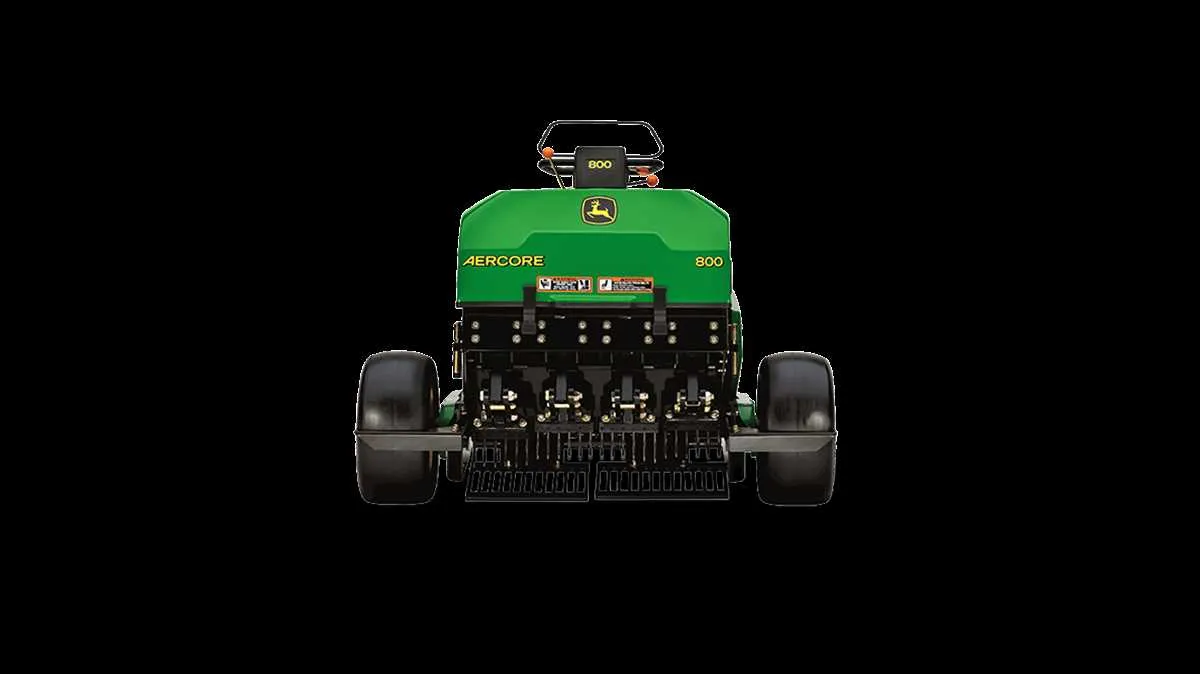
The hydraulic system of the John Deere Aercore 2000 is designed to deliver optimal performance under various conditions. It features a 12-volt electrical system that powers the hydraulic components, ensuring efficient operation for long hours. The hydraulic pump has a maximum flow rate of 18 gallons per minute (GPM), providing ample power to the core aeration system.
The Aercore 2000 is equipped with an advanced pressure relief valve that helps maintain a consistent pressure throughout the system. The system operates at a maximum pressure of 2,500 PSI, allowing the machine to handle demanding tasks with ease while maintaining safety and reliability.
For power, the Aercore 2000 is powered by a 25.5-horsepower engine. This engine is paired with a hydraulic drive that powers the aerator tines with precision. The robust powertrain ensures that the machine performs consistently, even in tough conditions.
The engine and hydraulic systems are designed for quick maintenance and easy troubleshooting. The integrated filter system ensures that the hydraulic fluid remains clean, extending the lifespan of the components. Regular fluid changes and inspections are recommended to keep the system running at peak performance.
Maintenance and Service Requirements for John Deere Aercore 2000
Regular inspection of the hydraulic system is necessary to avoid leaks or damage to hoses and fittings. Check fluid levels and replace filters every 100 hours of operation or annually, whichever comes first.
Ensure the air filter is clean and free of debris. Replace it every 200 operating hours or sooner if it shows signs of wear or clogging.
Inspect the tines regularly for signs of wear or bending. Replace damaged or worn tines to maintain optimal performance. Ensure the tine assemblies are securely fastened and properly aligned.
Check tire pressure regularly. The recommended pressure is listed in the operator’s manual. Over- or under-inflated tires can impact machine stability and performance.
Grease the wheel bearings and moving parts at regular intervals as specified in the operator’s manual. This reduces friction and prevents premature wear.
Inspect and clean the air intake and exhaust systems to avoid blockages. Keep the engine cooling system free of debris to maintain proper airflow and cooling.
Check the oil levels frequently. Change the engine oil and filter every 250 hours or according to the manufacturer’s guidelines.
Calibrate the hydraulic system if there are signs of erratic performance, such as slow or uneven lifting. Regular calibration ensures the system runs smoothly and prevents strain on the components.
Follow the maintenance schedule provided in the owner’s manual for other components, including the fuel system and drive components, to maximize machine lifespan and performance.