Detailed Specifications of the John Deere LA105 Engine for Better Performance Understanding
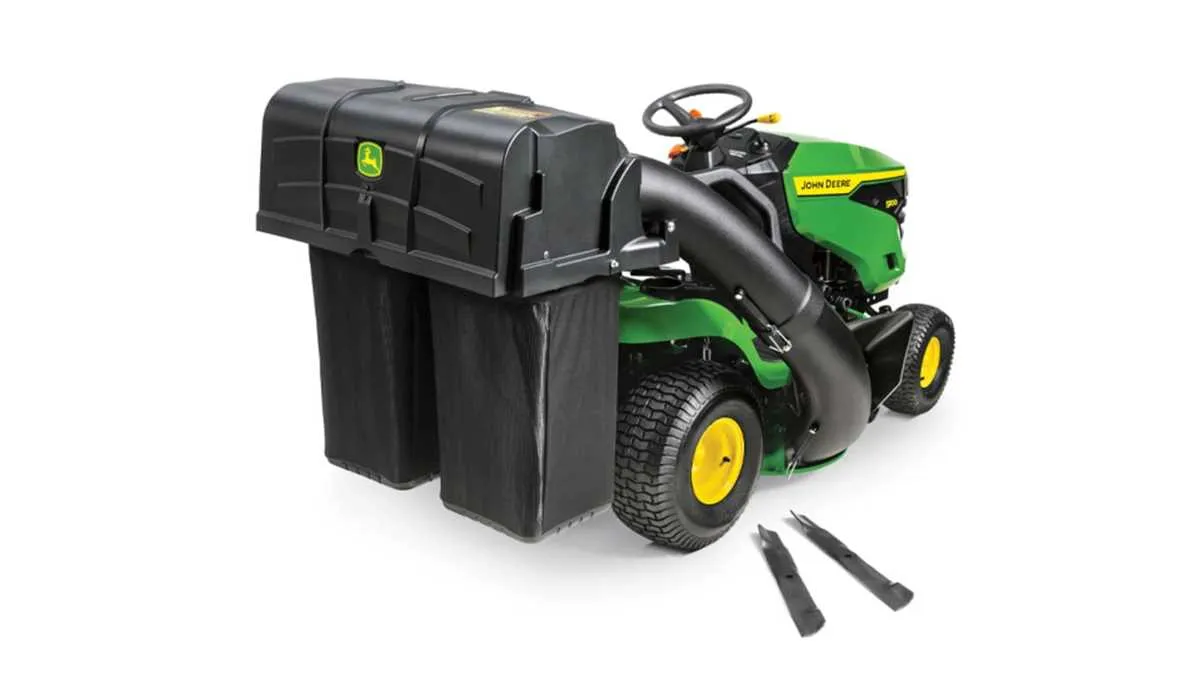
The John Deere LA105 is powered by a 17.5 horsepower Briggs & Stratton engine. This engine offers a displacement of 500cc, which strikes a balance between power and fuel efficiency for medium-sized lawns. It runs smoothly thanks to its single-cylinder design, optimized for residential use. The air-cooled system ensures that the engine operates efficiently, even during long hours of use.
The engine features a vertical shaft with an overhead valve (OHV) configuration, contributing to lower emissions and improved fuel economy. It runs on regular gasoline and has a fuel tank capacity of 1.4 gallons. This allows for several hours of operation before needing to refuel, making it convenient for extended lawn care tasks.
Additionally, the engine uses a mechanical governor, which maintains a consistent engine speed to ensure reliable performance. With a starter system powered by electricity, starting the LA105 is simple and quick, making it ideal for those who want a hassle-free mowing experience. For maintenance, the engine requires standard oil changes, air filter checks, and spark plug inspections, which are easy to perform thanks to the user-friendly design.
John Deere LA105 Engine Specs
The John Deere LA105 is powered by a 17.5 horsepower Briggs & Stratton single-cylinder engine, delivering reliable performance for lawn care tasks. The engine features a displacement of 500cc and operates with an overhead valve (OHV) design, ensuring better fuel efficiency and lower emissions.
With a cast-iron sleeve, the engine provides enhanced durability and heat resistance. It includes a carburetor that uses a float bowl for consistent fuel delivery, ensuring smooth operation even under varying load conditions. The engine uses a paper element air filter, which offers long service intervals and easier maintenance.
The LA105’s engine is equipped with a belt-driven starter system, making it easy to start and operate. Fuel is stored in a 1.25-gallon tank, providing ample capacity for long mowing sessions without frequent refueling. The engine operates on regular unleaded gasoline and has a compression ratio of 8.5:1, striking a balance between power output and efficiency.
The engine’s cooling system is air-cooled, designed to prevent overheating during extended use. It features a solid-state ignition system, which improves starting reliability, reducing the chances of engine misfires. This setup is ideal for homeowners seeking a machine that’s easy to maintain and delivers steady performance.
Engine Performance and Horsepower of John Deere LA105
The John Deere LA105 features a reliable 17.5-horsepower engine that provides sufficient power for typical lawn care tasks. With a single-cylinder, air-cooled Briggs & Stratton engine, the LA105 excels in both efficiency and durability, making it an excellent choice for homeowners with medium-sized lawns.
The engine’s displacement of 500cc delivers consistent performance, allowing the LA105 to handle various mowing conditions, from flat to slightly uneven terrain. With its hydrostatic transmission, users can enjoy a smooth and responsive driving experience, without the need for gear shifting.
At a rated speed of 3,100 RPM, the engine is designed for optimal fuel efficiency while maintaining power output for mowing. This ensures that the LA105 can operate for extended periods without compromising on performance or requiring frequent refueling.
Whether you’re tackling thick grass or navigating around obstacles, the LA105 engine provides the right balance between power and control, offering a great solution for regular lawn maintenance.
Fuel System and Consumption Rates for John Deere LA105 Engine
The John Deere LA105 engine utilizes a simple but reliable fuel system designed for efficiency and performance. The engine operates with a single-cylinder, air-cooled design that requires regular maintenance to ensure optimal fuel efficiency.
Fuel is supplied to the engine via a carburetor, which regulates the air-fuel mixture for combustion. The fuel system is gravity-fed, with a fuel tank capacity of 1.3 gallons (4.9 liters), allowing for hours of continuous operation without frequent refueling. Ensure that only clean, fresh gasoline is used to avoid clogging the carburetor and fuel lines.
Fuel consumption rates for the John Deere LA105 engine are typically around 0.5 gallons per hour (1.9 liters per hour) under moderate load conditions. This means the engine is relatively fuel-efficient, making it suitable for extended mowing sessions without constant refueling.
For optimal performance and longevity of the fuel system, it’s recommended to regularly check and replace the fuel filter. Keeping the fuel system clean and well-maintained ensures the engine runs smoothly, avoiding potential power losses or inefficient fuel usage. Additionally, always store fuel in approved containers and avoid overfilling the tank to prevent fuel spillage or leakage.
In cold weather conditions, it’s advised to use fuel stabilizers to prevent fuel degradation, ensuring the engine starts and runs properly. Running the engine with the correct fuel-to-air mixture, as specified in the owner’s manual, will also help maintain fuel efficiency and prevent engine knocking or misfires.
Maintenance Requirements and Service Intervals for the LA105 Engine
To keep your John Deere LA105 engine in top working condition, follow the recommended maintenance schedule strictly. Regular servicing will not only extend the engine’s lifespan but also ensure optimal performance.
Oil Change
- Change engine oil after every 50 hours of operation, or at least once a year, whichever comes first.
- Use SAE 10W-30 or SAE 30 oil, depending on ambient temperature.
- Replace the oil filter every time you change the oil.
Air Filter Inspection and Cleaning
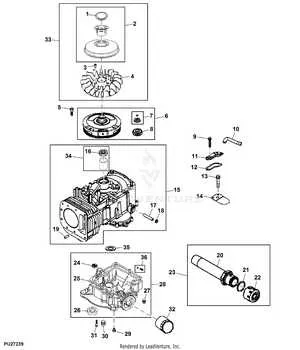
- Inspect the air filter every 25 hours of operation.
- Clean the filter if dirt or debris accumulates. If the filter is damaged or heavily clogged, replace it.
- For heavy-duty conditions (dusty environments), inspect more frequently, every 10-15 hours.
Spark Plug Maintenance
- Inspect the spark plug after every 100 hours of use.
- If there are signs of wear or carbon buildup, replace the spark plug with a new one.
Fuel System Check
- Inspect the fuel system for leaks or blockages every 100 hours.
- Replace the fuel filter annually or after 100 hours of use.
Valve Clearance Adjustment
- Check and adjust valve clearance every 200 hours of operation to maintain engine efficiency.
Cooling System Maintenance
- Clean the cooling fins and air intake to prevent overheating after every 50 hours of use.
- Inspect the engine’s cooling system for leaks and ensure the cooling fan is functioning properly.
Battery Care
- Inspect the battery regularly for corrosion and clean the terminals as needed.
- Check battery charge levels before each season.
- If the battery is weak or shows signs of wear, replace it immediately.
Belts and Cables
- Inspect belts for wear or cracking after every 50 hours of operation.
- Replace any worn-out belts to avoid failure during operation.
- Check the condition of throttle and choke cables, adjusting if necessary.
Grease and Lubrication
- Lubricate the engine’s moving parts according to the manufacturer’s recommendations, usually every 25 hours of use.
- Ensure the oil drain plug, blade spindles, and all other joints are properly greased.