John Deere 270D LC Excavator Specifications and Performance Overview
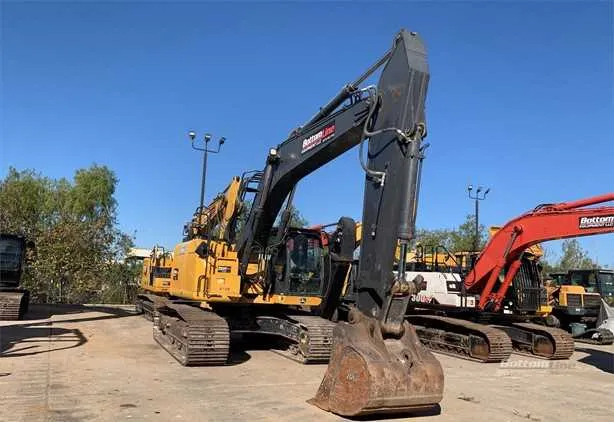
The John Deere 270D LC excavator is built to tackle demanding construction tasks. It delivers a solid mix of power, precision, and reliability, making it a dependable choice for various projects. With its impressive engine performance, it ensures smooth operations even in challenging environments.
Powered by a 6.8L engine, the 270D LC generates 173 horsepower, offering strong digging force and efficiency in lifting and material handling. Its hydraulic system supports high-flow attachments, allowing for quick cycle times and improved productivity on the job site.
Weighing around 26,000 kg, the machine strikes a balance between size and maneuverability. Whether working in tight spaces or on large-scale excavation projects, its optimized undercarriage ensures stability and ease of movement. The long reach capabilities further enhance its versatility.
The hydraulic breakout force reaches up to 168 kN, providing ample power for tough digging conditions. This, combined with the efficient boom and arm design, helps the 270D LC perform tasks faster without sacrificing strength or durability.
With a focus on operator comfort, the cab is equipped with an intuitive control layout and adjustable seating. The advanced monitoring system gives operators real-time feedback on performance, allowing them to make quick adjustments for maximum efficiency.
John Deere 270D LC Excavator Specs
The John Deere 270D LC excavator offers a reliable combination of power, performance, and durability. It’s designed for heavy-duty tasks while maintaining operator comfort and operational efficiency.
Key specifications:
- Engine Model: PowerTech PSS 6068HF485, 6-cylinder turbocharged diesel engine
- Engine Power: 173 hp (129 kW)
- Operating Weight: 27,550 kg (60,750 lbs)
- Maximum Digging Depth: 7,010 mm (23 feet 0 inches)
- Maximum Reach at Ground Level: 10,350 mm (34 feet 0 inches)
- Bucket Capacity: 1.2–2.0 m³ (1.57–2.61 yd³)
- Boom Length: 6,120 mm (20 feet 1 inch)
- Arm Length: 2,740 mm (9 feet 0 inches)
Hydraulic system:
- Pump Flow: 2 x 275 l/min (2 x 72.7 gpm)
- System Pressure: 350 bar (5,076 psi)
- Auxiliary Flow: 190 l/min (50.2 gpm)
The 270D LC excels in lifting capacity, reach, and digging power. Whether it’s heavy material handling or precise digging in confined spaces, it handles both with ease. Its robust hydraulic system ensures high performance even under challenging conditions.
For operators, the cabin features ergonomically designed controls, making the excavator more comfortable for long hours of operation. It also includes a 7-inch display screen for better control and monitoring of machine functions.
Fuel efficiency is another strong point, with advanced engine and hydraulic technologies that reduce overall fuel consumption while maintaining high productivity levels. This ensures that the machine stays cost-effective even during extended operations.
Engine Performance and Fuel Efficiency of the John Deere 270D LC
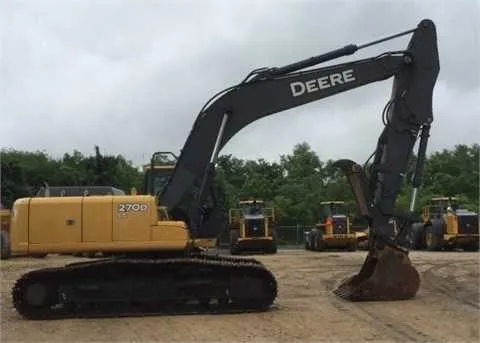
The John Deere 270D LC excavator combines robust engine power and impressive fuel efficiency, delivering reliable performance for heavy-duty operations. The machine is powered by a 6.8-liter, 6-cylinder, turbocharged, and aftercooled engine that generates 173 horsepower (129 kW), providing the necessary power to tackle tough construction tasks.
Its advanced hydraulics and precise engine control systems ensure that every drop of fuel is utilized effectively. The 270D LC features a fuel-efficient design that lowers overall operating costs. Compared to other models in its class, it achieves a reduction in fuel consumption by up to 10% due to the optimization of both engine and hydraulic systems. This efficiency makes it an ideal choice for long-duration tasks, reducing the frequency of refueling and minimizing downtime.
The engine’s PowerTech™ technology adjusts power output based on workload, enhancing both fuel economy and engine longevity. Operators can count on maintaining high productivity levels while using less fuel, even in challenging conditions. The fuel tank capacity of 400 liters ensures the excavator can operate for extended periods without needing frequent stops for refueling, enhancing operational efficiency and minimizing interruptions.
The machine’s performance is further optimized by the Load-Sensing Hydraulics system, which adapts the power required for various tasks. This feature helps keep the engine at peak efficiency, allowing the excavator to handle diverse jobs without overloading the engine or wasting fuel. Combined with the machine’s enhanced cooling and filtration systems, these features contribute to lower maintenance needs, improving cost-effectiveness in the long run.
Key Hydraulic and Digging Capabilities of the 270D LC Model
The John Deere 270D LC excavator stands out with its impressive hydraulic performance and digging power, designed for demanding construction tasks. Its hydraulic system delivers high pressure (5,500 psi) and flow (approximately 450 l/min), ensuring fast cycle times and exceptional digging force.
The bucket digging force reaches 40,500 lbf, while the arm digging force is 28,500 lbf. These capabilities make the 270D LC ideal for tough digging applications, from trenching to handling large materials. The powerful hydraulics contribute to smooth, consistent performance when lifting, digging, or breaking ground.
With a max digging depth of 22 feet 7 inches and a maximum reach of 32 feet 6 inches, the 270D LC offers outstanding versatility for excavation tasks. The long reach enhances its ability to work in difficult-to-access areas, improving productivity in a wide range of construction settings.
For added efficiency, the hydraulic system features a load-sensing design that adjusts the flow of fluid based on the task, optimizing fuel consumption and minimizing waste. This reduces operational costs and increases uptime, making the 270D LC a reliable choice for demanding projects.
The powerful hydraulic components, combined with an advanced control system, ensure precise bucket movements and stability under heavy loads, making this model a solid performer for both large-scale and intricate tasks.
Maintenance and Service Considerations for the John Deere 270D LC Excavator
Regularly check the engine oil levels and replace the oil filter at recommended intervals to maintain the engine’s performance and longevity. Refer to the operator’s manual for the exact oil change schedule, usually around every 500 hours of operation.
Inspect the hydraulic system, including hoses, seals, and connections, for any signs of wear or leaks. Any damage should be addressed immediately to avoid costly repairs. Clean or replace the hydraulic filter regularly to ensure proper fluid circulation.
The cooling system requires routine maintenance to prevent overheating. Check the radiator and cooling fan for debris, and ensure coolant levels are adequate. Flushing the cooling system every 2,000 hours will help maintain optimal temperature regulation.
Inspect the tracks and undercarriage regularly for wear. The track tension should be adjusted as needed, and the rollers should be checked for smooth movement. Track pads should be replaced when they show significant wear to ensure proper traction.
Keep the air filter clean and replace it as needed to ensure the engine receives clean air, which is crucial for fuel efficiency and performance. Severe working conditions may require more frequent air filter changes.
For the electrical system, inspect the battery connections and ensure the terminals are clean and free of corrosion. If the battery fluid level is low, top it up with distilled water.
Lubricate the excavator’s joints and linkages regularly using high-quality grease. This minimizes wear and keeps moving parts operating smoothly.
Always use OEM parts when replacing components to maintain the machine’s reliability and performance. Non-OEM parts can lead to compatibility issues and may shorten the life of the machine.
Keep a detailed maintenance log to track service intervals and parts replacements. This will help identify any recurring issues and optimize the maintenance schedule.