John Deere 250G Long Reach Excavator Specifications and Key Features
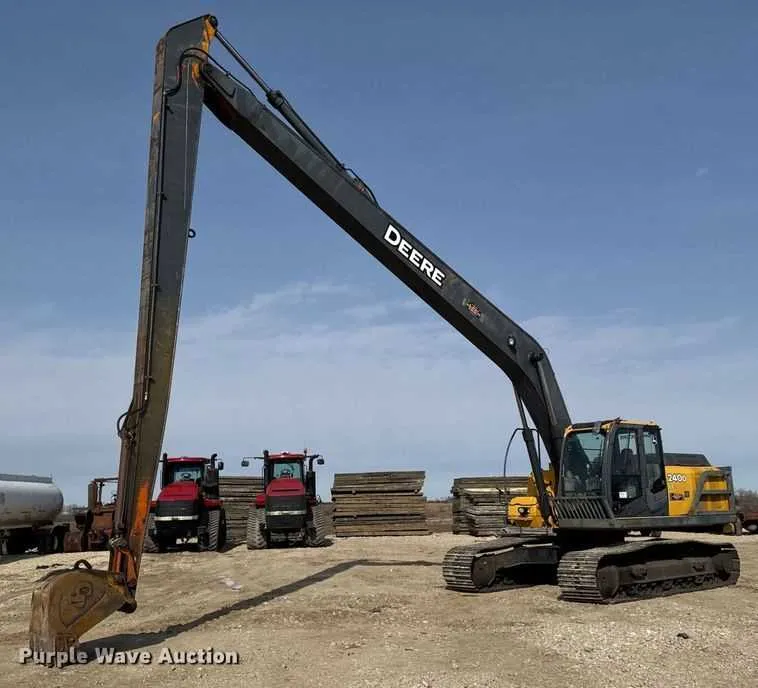
The John Deere 250G Long Reach Excavator stands out in performance and versatility, especially in projects requiring extended reach and precision. With a boom that extends up to 32 feet, this machine is designed for applications where standard machines simply can’t reach. Whether it’s dredging, demolition, or heavy lifting, its reach allows for effective operation even in hard-to-access areas.
At the heart of the 250G is a 173-horsepower engine, capable of handling demanding tasks while maintaining fuel efficiency. The hydraulic system is engineered for smooth, precise control, providing optimal power when you need it. This excavator’s advanced hydraulics allow operators to manage large attachments with ease, providing confidence for various job site challenges.
The undercarriage of the 250G Long Reach is built to handle rough terrain, ensuring stability and durability in harsh conditions. Its enhanced counterweight design minimizes tipping risks, contributing to safety and reliability throughout operations. Operators can expect exceptional comfort, thanks to a spacious cabin with easy-to-use controls, providing improved productivity and reduced operator fatigue during long shifts.
For those looking for a machine that balances power and precision, the John Deere 250G Long Reach Excavator is an excellent choice. Whether tackling tough jobs or maximizing reach, this model is equipped to meet the demands of a variety of heavy-duty tasks with confidence and efficiency.
John Deere 250G Long Reach Excavator Specifications
The John Deere 250G Long Reach Excavator is designed for heavy-duty tasks, offering enhanced reach and powerful performance in challenging work environments. With its extended boom and arm, this model excels in applications like dredging, slope work, and digging in hard-to-reach areas.
Key specifications:
- Engine Model: Final Tier 4 (FT4) compliant, 6.8L 4-cylinder diesel engine.
- Horsepower: 174 hp (130 kW), providing robust power for demanding tasks.
- Operating Weight: 58,700 lbs (26,600 kg), optimized for stability and control during operation.
- Maximum Reach: 39.7 ft (12.1 m) with the long reach boom, allowing extended reach for greater flexibility.
- Bucket Capacity: Up to 1.3 cubic yards (1.0 m³) for efficient material handling.
- Hydraulic Flow: 360 L/min (95.4 gpm) for fast, responsive action in high-demand applications.
- Boom and Arm Length: Extended to 32 ft (9.8 m) for enhanced working range and depth.
- Travel Speed: Maximum of 3.4 mph (5.5 km/h), ensuring quick positioning and repositioning on the jobsite.
- Fuel Tank Capacity: 113.5 gallons (429.5 L) for extended operation without frequent refueling.
- Arm Force: 24,900 lbf (110.7 kN) to ensure reliable lifting and digging performance in tough conditions.
- Max Digging Depth: 24.7 ft (7.5 m), making it ideal for deeper excavations.
- Tail Swing Radius: 11.5 ft (3.5 m), offering improved maneuverability in confined spaces.
Incorporating a durable and efficient design, the 250G Long Reach Excavator is a great choice for projects that demand both power and precision. Its large working range, combined with low operating costs, makes it a top contender for long-term construction use.
Engine Performance and Fuel Efficiency of the John Deere 250G Long Reach Excavator
The John Deere 250G Long Reach Excavator is designed to deliver powerful engine performance while maintaining impressive fuel efficiency. Equipped with a 4.5L PowerTech™ engine, it generates 173 horsepower, ensuring smooth operation even under demanding conditions. This engine provides ample power for extended reach and heavy lifting without compromising the machine’s ability to operate efficiently.
Thanks to John Deere’s integrated emissions control technology, the 250G Long Reach meets stringent environmental standards while maximizing fuel savings. With its advanced fuel system, this excavator reduces fuel consumption by up to 15% compared to previous models, making it a cost-effective choice for long-term operation.
Fuel efficiency is further enhanced by the Auto-Idle feature, which automatically reduces engine speed when the machine is idle. This helps cut down on unnecessary fuel consumption and minimizes engine wear over time. The hydraulic system is also optimized for efficiency, allowing the 250G to get the most out of every drop of fuel.
The combination of robust engine performance and reduced fuel consumption results in lower operating costs and less downtime. Whether working on extended shifts or tackling demanding tasks, the John Deere 250G provides a perfect balance between power and fuel economy, making it a reliable and economical option for contractors and operators.
Hydraulic System and Reach Capabilities of the John Deere 250G Long Reach Excavator
The John Deere 250G Long Reach Excavator’s hydraulic system delivers impressive power and efficiency for demanding tasks. With a maximum digging force of 21,500 lbf on the arm and 25,000 lbf on the bucket, this machine handles heavy lifting and digging without hesitation. Its hydraulic pump flows at a rate of 240 liters per minute, providing quick cycle times for enhanced productivity. The system’s optimized pressure ensures smooth, responsive operation even under full load, allowing operators to maintain control in diverse conditions.
When it comes to reach, the 250G Long Reach extends up to 33 feet, significantly increasing its working radius compared to standard models. This extended reach allows for precision work at greater distances, reducing the need for repositioning. The boom and arm are reinforced to handle the stresses of long-reach applications, offering a balance between strength and flexibility. With a maximum digging depth of 23 feet and a maximum digging height of 30 feet, the 250G Long Reach excels at applications like deep trenching, pile driving, and material handling from elevated positions.
For applications requiring high productivity and stability, the hydraulic system’s load-sensing technology automatically adjusts pressure to suit the task. This not only improves fuel efficiency but also enhances the responsiveness of the excavator in dynamic environments. The joystick controls and intuitive hydraulic controls ensure operators can easily manage these advanced functions, further boosting performance and precision.
Maintenance and Service Considerations for the John Deere 250G Long Reach Excavator
Check the oil levels regularly. Low engine oil can cause overheating and engine failure. Keep the oil clean by replacing it every 500 hours of operation or as recommended in the operator’s manual.
Inspect the hydraulic system for leaks and wear. The 250G Long Reach excavator relies on hydraulic fluid for efficient performance. Look for signs of leakage around the hoses and fittings, and replace any worn-out components to prevent system failure.
Clean the cooling system. Dust and debris can block airflow to the radiator, leading to overheating. Regularly clean the cooling fins and check for any obstructions. If the coolant levels are low, top them up according to the manufacturer’s instructions.
Inspect the undercarriage frequently. The long reach configuration puts additional stress on the tracks and rollers. Check for wear on the track pads, rollers, and sprockets. Replace worn components before they lead to more expensive repairs.
Change the air filter regularly. The air filter keeps debris out of the engine, but it can become clogged over time. Inspect it after every 250 hours of operation and replace it if necessary to maintain optimal engine performance.
Monitor the bucket and boom for wear and tear. Frequent heavy lifting can cause cracks or bends in the structural components. Inspect these parts for signs of damage after every major job and ensure the pins and bushings are properly lubricated.
Perform regular fluid checks. Aside from the engine oil, check the hydraulic fluid, coolant, and transmission fluids for proper levels. Top off fluids as required and use the specified fluid types recommended by John Deere to avoid damage.
Schedule professional service every 1,000 hours. While daily inspections are important, a professional service is required for in-depth checks and any necessary adjustments or part replacements that are beyond routine maintenance.