John Deere 4460 Specifications and Key Features Overview
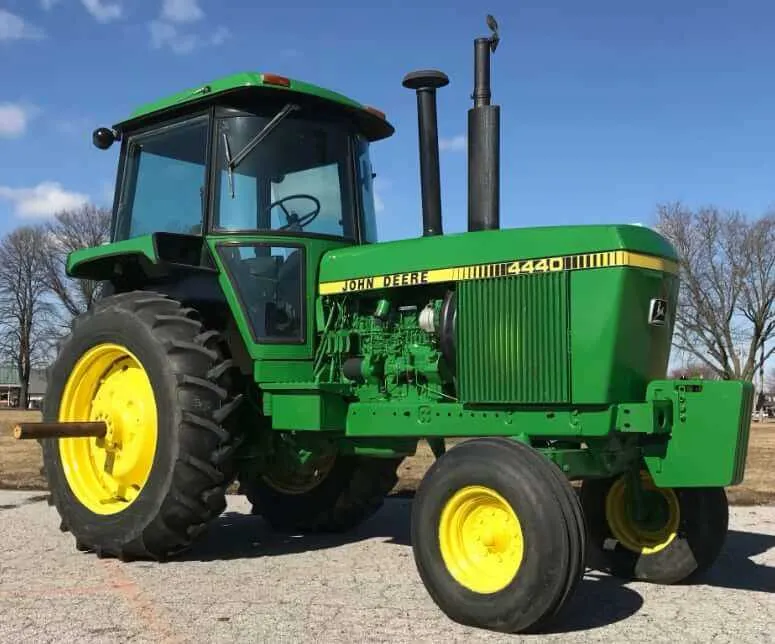
The John Deere 4460 is a versatile and powerful tractor designed for heavy-duty agricultural tasks. With a 6-cylinder engine that produces 145 horsepower, it delivers the necessary power for a range of farming applications, from tilling to hauling. Equipped with a Quad Range transmission, the 4460 provides a range of speeds suited for different tasks, allowing you to work efficiently across various terrains.
Its hydraulic system, with a flow rate of up to 29.6 gallons per minute, ensures strong lifting capabilities, making it ideal for implements such as planters, sprayers, and plows. The 4460’s durability and reliable performance are backed by its rugged construction and the advanced technology built into its engine and transmission systems.
Additionally, the tractor features a comfortable operator’s station, designed for long working hours. The adjustable seat and controls are within easy reach, enhancing productivity and reducing fatigue. Regular maintenance and proper care are essential to keep the John Deere 4460 operating at its peak performance, ensuring you get the most out of its robust features.
John Deere 4460 Specifications
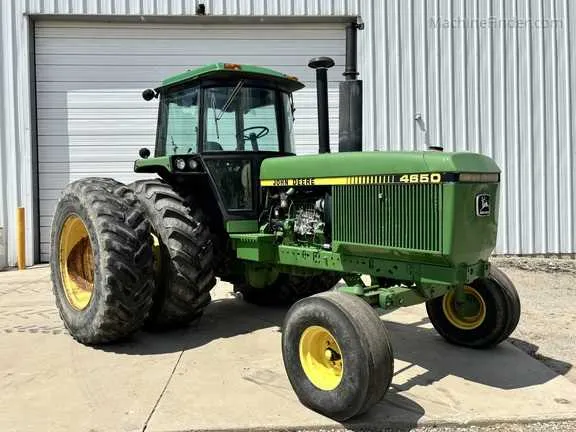
The John Deere 4460 offers impressive features that enhance performance and durability in various agricultural applications. It is equipped with a robust 6.6L turbocharged engine that delivers consistent power, making it suitable for demanding tasks.
- Engine: 6.6L inline 6-cylinder turbocharged diesel engine
- Horsepower: 125 PTO horsepower
- Transmission: Quad-range transmission with 16 forward and 4 reverse speeds
- Hydraulic Capacity: 20.3 gpm with a closed-center hydraulic system
- Fuel Tank Capacity: 65 gallons (246 liters)
With a maximum travel speed of 24 mph, the John Deere 4460 excels in both field and transport tasks. The tractor’s advanced hydraulics system ensures that implements are powered efficiently, allowing for quicker field operations.
- Wheelbase: 104 inches (264 cm)
- Weight: 10,160 lbs (4600 kg)
- Cab: Deluxe cab with air conditioning for operator comfort
- Tire Size: 18.4-38 rear and 12.4-24 front
For optimal performance, the 4460 is equipped with a reliable hydraulic pump system capable of handling a variety of attachments. Whether it’s pulling heavy loads or operating demanding implements, the 4460 maintains performance and operator efficiency under pressure.
- Turning Radius: 16.7 feet (5.1 meters)
- Steering: Power steering for precise control
Maintenance on the John Deere 4460 is straightforward with easy access to key components. Regular upkeep of the cooling system, fuel filters, and oil levels is recommended for maintaining peak engine performance over time.
Engine and Powertrain Performance of John Deere 4460
The John Deere 4460 features a robust 6.6-liter, 6-cylinder turbocharged diesel engine that delivers a maximum output of 145 horsepower. This engine is designed for high torque at low RPMs, providing excellent pulling power even in challenging conditions. The efficient fuel system ensures that the engine operates at optimal performance while maintaining low fuel consumption, making it an ideal choice for extended operational hours.
Paired with the 18-speed Powershift transmission, the John Deere 4460 offers smooth shifting and precise control over the powertrain. This system ensures the machine can adapt quickly to varying terrain and load conditions. The transmission allows the operator to select the right gear for maximum efficiency, whether it’s during fieldwork or transport.
In addition, the full-time four-wheel drive (4WD) system ensures enhanced traction on uneven and slippery surfaces. Whether working on hills, muddy fields, or wet conditions, the 4WD system maximizes stability and minimizes the risk of slippage, allowing the tractor to maintain its performance throughout the day.
Routine maintenance and regular checks are critical for ensuring the engine and powertrain continue to perform optimally. Keep an eye on the fuel and air filters, as well as the cooling system, to prevent overheating and engine damage. Always monitor the fluid levels and check for leaks to avoid potential failures that could impact performance.
Hydraulic System and Load Capacity of John Deere 4460
The John Deere 4460 is equipped with a high-performance hydraulic system designed for durability and reliability. Its hydraulic pump delivers a flow rate of up to 29.9 gpm (113.5 L/min), ensuring optimal fluid movement even under demanding conditions. The closed-center system maintains pressure control, enhancing the tractor’s responsiveness to load variations. The hydraulic system operates at a maximum pressure of 2500 psi (172 bar), ensuring efficient power delivery during heavy lifting or attachment work.
When it comes to load capacity, the John Deere 4460 can handle substantial weight with ease. The tractor’s rear three-point hitch has a maximum lift capacity of 5,400 lbs (2,450 kg), making it suitable for various agricultural and industrial tasks. The front-end loader option further expands its capabilities, offering a lift capacity of up to 3,500 lbs (1,588 kg), depending on the model. This versatility makes the 4460 ideal for lifting heavy implements, moving materials, and tackling tough tasks.
Additionally, the tractor’s hydraulic remotes are capable of managing multiple functions simultaneously, supporting smooth operation of attachments without loss of performance. The John Deere 4460’s hydraulic system is designed to handle demanding workloads while providing maximum efficiency, ensuring optimal performance in a variety of environments.
Maintenance and Service Guidelines for John Deere 4460
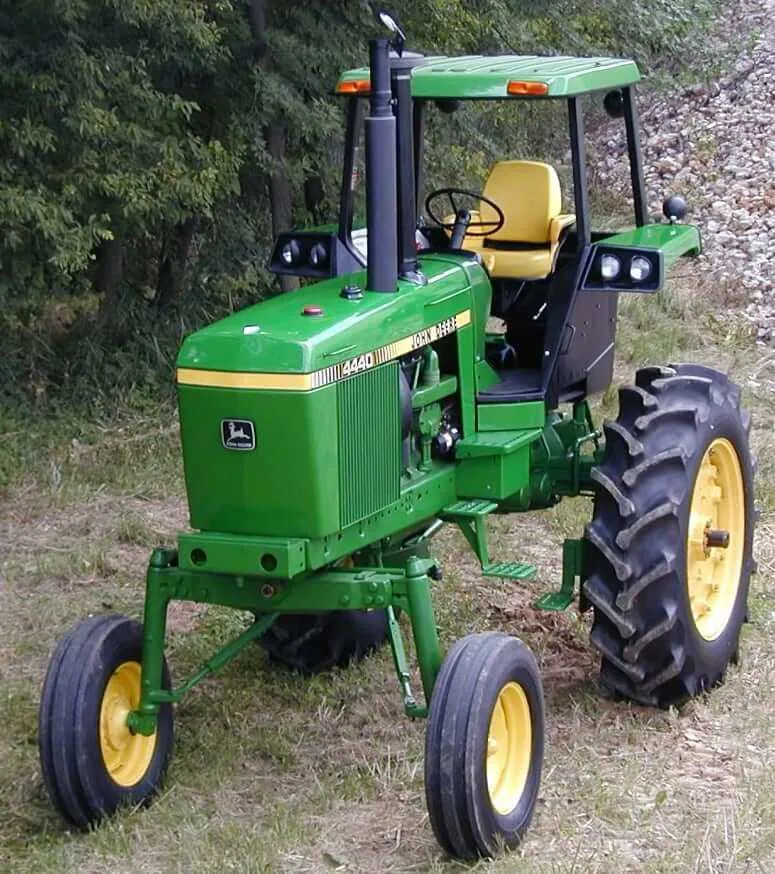
Regular inspection of the hydraulic system is vital for maintaining the John Deere 4460. Ensure fluid levels remain within specified ranges. Replace hydraulic fluid and filters after every 1,000 hours of operation or as specified in the owner’s manual to maintain optimal performance.
Inspect the engine cooling system frequently. Clean radiators and check for debris to ensure efficient airflow. Replace coolant every 2,000 hours or as per environmental conditions, ensuring the engine remains at the proper operating temperature.
Grease all pivot points and linkages every 100 hours or as needed to prevent excessive wear and maintain smooth operation. Regularly check tire pressures and adjust as required to prevent uneven wear and maintain traction.
Inspect the fuel system for leaks and blockages. Replace the fuel filter after every 500 hours to prevent contaminants from entering the engine. Clean the air filter frequently, especially in dusty environments, and replace it every 1,000 hours or more often depending on conditions.
Check the transmission and drivetrain for smooth operation. Regularly inspect the clutch and shift mechanisms for wear, and replace any worn components promptly to prevent further damage.
Ensure all electrical connections are clean and free from corrosion. Inspect the battery for any signs of leakage or wear and replace it as needed to avoid unexpected failures.
Perform a thorough inspection of the steering and braking systems. Ensure all hydraulic lines are free from cracks and wear, replacing any damaged parts immediately to ensure safety and operational efficiency.