John Deere 6320 SE Specifications and Performance Overview
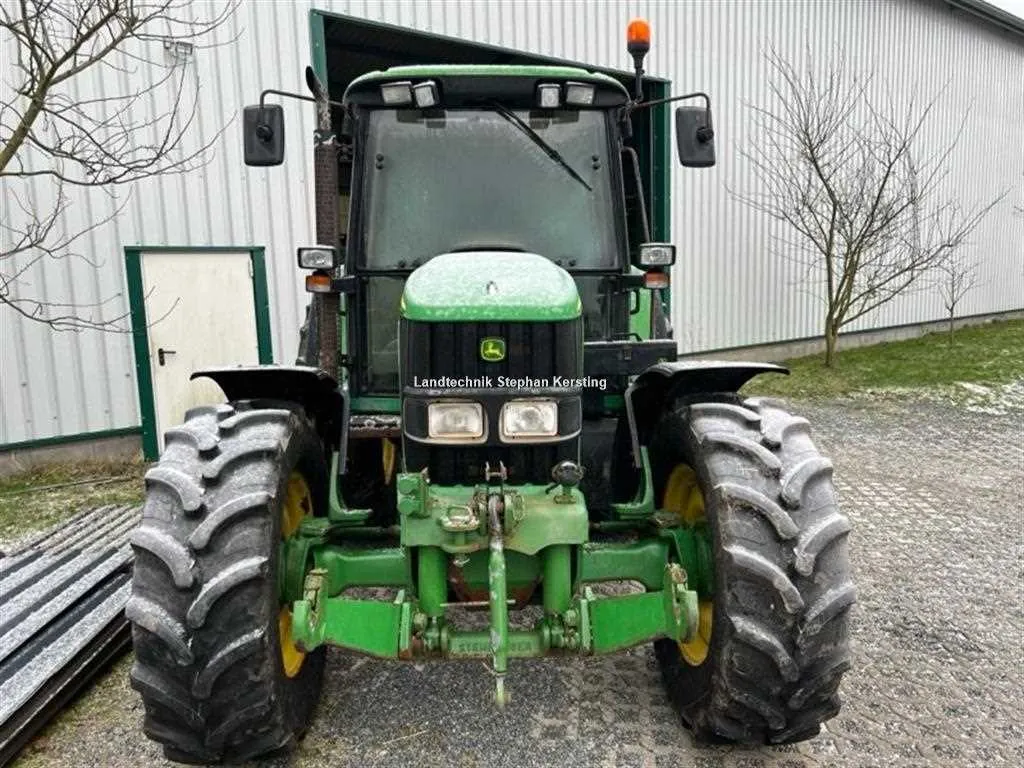
The John Deere 6320 SE delivers consistent performance with its robust 4.5-liter, 4-cylinder engine, producing 95 horsepower. This model is designed for efficiency and ease of use in a variety of agricultural tasks, whether it’s tilling, hauling, or mowing. The advanced transmission system ensures smooth shifting and optimal power delivery, making it a reliable choice for demanding operations.
Equipped with a durable front axle, the 6320 SE offers excellent maneuverability, even in tight spaces. The tractor’s hydraulic system, with a lift capacity of 3,150 kg, is built to handle heavy implements and attachments, providing superior lifting power and stability. Its 4WD capabilities enhance traction on uneven terrain, ensuring that the tractor performs effectively in challenging conditions.
For operators, the John Deere 6320 SE features a spacious cabin with intuitive controls, ensuring comfort during long hours of work. The air-conditioned cabin reduces operator fatigue by maintaining a comfortable environment, even during hot or humid days. This tractor is designed to maximize uptime with a long-lasting, fuel-efficient engine that reduces operational costs and maintenance frequency.
John Deere 6320 SE Specifications
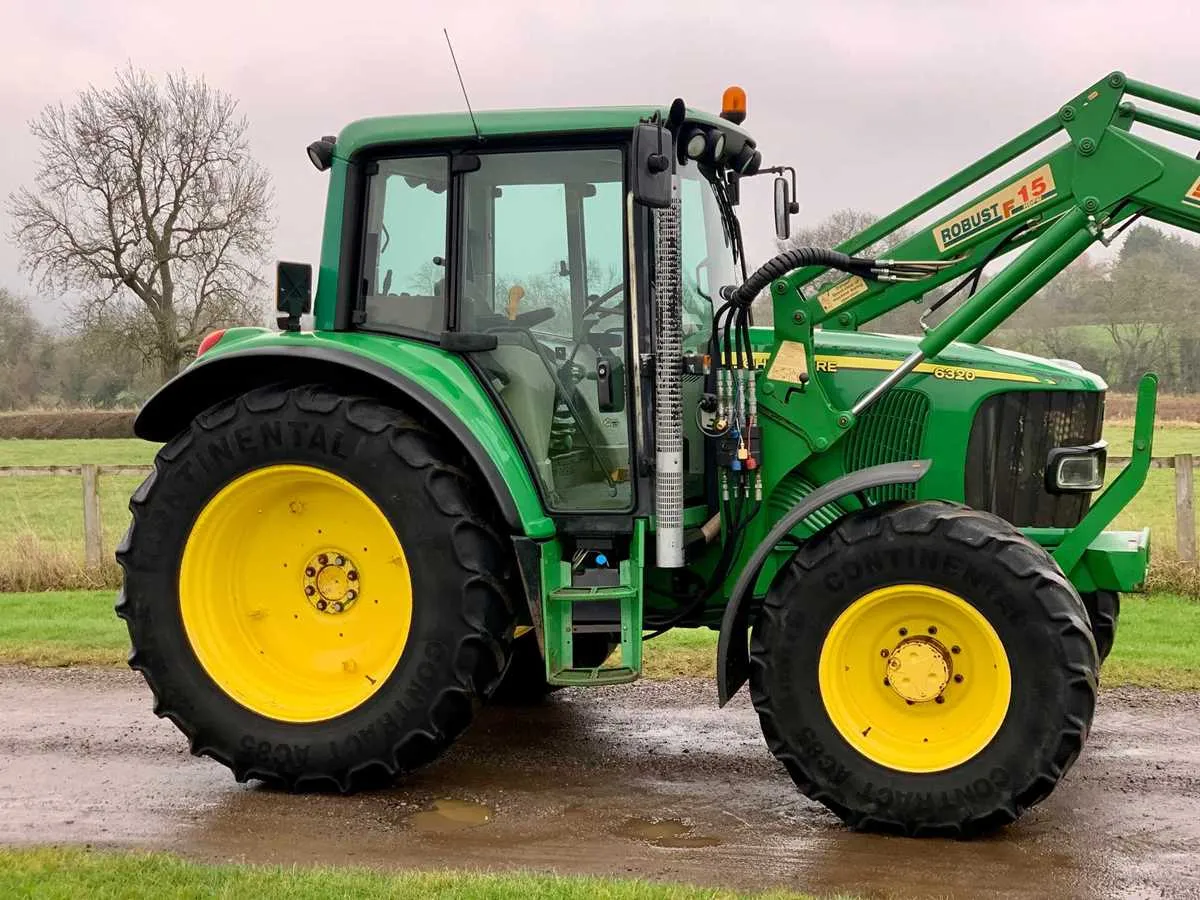
The John Deere 6320 SE is powered by a 4.5-liter, 4-cylinder engine, delivering up to 95 horsepower. It is equipped with a 16-speed transmission, providing seamless gear shifts for various farming tasks.
Its maximum torque is 400 Nm, offering the strength needed for heavy-duty operations. The tractor’s 4WD system enhances stability and traction, especially on uneven terrains or wet fields.
Fuel efficiency is a strong point of the 6320 SE, with a fuel tank capacity of 150 liters, allowing for extended working hours without frequent refueling. The 6320 SE’s hydraulic system operates at a flow rate of 60 liters per minute, ensuring fast and reliable implement operation.
With a lift capacity of up to 3,500 kg, it can handle large implements and attachments. The tractor’s cabin is designed for comfort, offering good visibility and an intuitive layout for easy control during long hours of operation.
The John Deere 6320 SE has a maximum transport speed of 40 km/h, allowing for quick travel between fields. Its compact dimensions make it suitable for maneuvering in tight spaces while still maintaining excellent power and efficiency.
Engine Power and Performance of John Deere 6320 SE
The John Deere 6320 SE is equipped with a robust engine that delivers excellent power and performance for a variety of tasks. Powered by a 4.5-liter, 4-cylinder engine, it offers 95 horsepower, making it ideal for demanding agricultural and industrial applications. This engine is designed to provide consistent output, ensuring the tractor can handle heavy-duty work with ease.
Its engine performance is further optimized by the Electronic Fuel Injection (EFI) system, which ensures efficient fuel use and minimal emissions, enhancing overall productivity. The engine is also equipped with a turbocharger, boosting power when needed, while maintaining fuel efficiency during standard operations.
The John Deere 6320 SE’s power-to-weight ratio is well balanced, allowing for smooth operation even in challenging terrains. It also features a powerful transmission system, enabling seamless shifting and optimal torque delivery to the wheels. This combination of engine and transmission provides impressive towing capacity and the ability to handle large implements without sacrificing performance.
In addition, the tractor’s engine is built for durability, featuring heavy-duty components that extend its lifespan and reduce the need for frequent maintenance. Routine maintenance is straightforward, and the tractor is designed to provide high reliability across various tasks, from plowing to hauling and mowing.
Hydraulic System and Load Handling Capabilities
The hydraulic system of the John Deere 6320 SE ensures powerful and precise load handling. With a flow rate of 60 liters per minute, the system supports efficient lifting and material manipulation across various applications.
Key features include:
- Maximum lift capacity of 3,500 kg, allowing for heavy-duty tasks and operations.
- Hydraulic power is provided by a robust gear pump, designed for consistent performance even under high-load conditions.
- Advanced load sensing system for optimized pressure control, preventing overloading and maintaining system integrity.
- Quick-response valve technology for rapid movement of attachments and implements, reducing downtime and improving productivity.
For operators, this translates to smoother, more stable load handling, with a greater ability to manage a wide range of attachments such as loaders, pallet forks, and other heavy-duty implements. The system’s versatility ensures that the 6320 SE can perform a broad spectrum of agricultural and construction tasks with ease.
Regular maintenance of the hydraulic fluid and filter is critical to maintaining peak performance. Check fluid levels and replace filters as recommended by the manufacturer to ensure long-lasting hydraulic function and prevent costly repairs.
Fuel Efficiency and Maintenance Requirements
Maximize fuel efficiency by adhering to regular maintenance practices. Ensure that the engine’s fuel injectors are cleaned periodically to maintain optimal performance and reduce fuel consumption. Use high-quality diesel fuel to avoid clogging of injectors and the formation of deposits in the combustion chamber.
For efficient fuel use, keep tire pressures at recommended levels and avoid overloading the tractor, as both can significantly impact fuel economy. Regularly check the air filter and replace it when necessary, as a clogged filter reduces airflow and forces the engine to work harder, using more fuel.
Perform oil changes at the intervals recommended by John Deere to prevent engine wear and maintain peak performance. This reduces friction within the engine and helps it run smoothly with less fuel consumption. Ensure that the fuel filter is replaced according to the service schedule to prevent debris from entering the fuel system, which could reduce fuel efficiency.
Check the hydraulic system regularly to avoid leaks and ensure proper fluid levels. Hydraulic issues can lead to energy loss, resulting in higher fuel consumption. Maintaining proper fluid levels also prevents unnecessary strain on the engine, improving fuel economy.
By following these recommendations and staying on top of routine maintenance, fuel efficiency will be optimized, reducing long-term operating costs and minimizing environmental impact.