Detailed Specifications of John Deere Forage Harvester Models
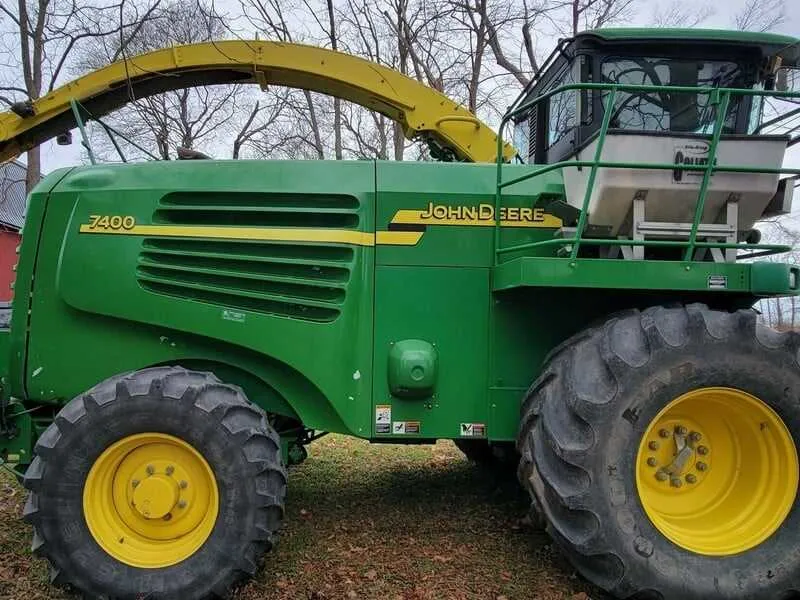
If you’re looking for a high-performance forage harvester, the John Deere lineup is a reliable choice. Known for durability and powerful capabilities, these machines come equipped with advanced features to meet various agricultural needs.
The John Deere 8000 series is one of the most sought-after models, offering a powerful engine range from 325 to 950 horsepower. This allows for smooth operation even under demanding conditions, ensuring consistent performance. With a wide cutting width and high throughput, these harvesters can handle a variety of crops, making them versatile on the field.
When it comes to comfort and control, the CommandCenter display offers intuitive navigation and real-time monitoring, giving operators the ability to adjust settings with ease. This feature enhances productivity and minimizes downtime, ensuring that each harvest is as efficient as possible.
The AutoTrac system offers automated steering, reducing the strain on operators and improving accuracy during long hours in the field. With the high-capacity intake system and excellent chopping performance, John Deere forage harvesters excel at ensuring optimal results with minimal effort.
John Deere Forage Harvester Specifications
When selecting a John Deere Forage Harvester, consider key specifications to meet your operational needs.
- Engine Power: Ranges from 325 hp to 800 hp depending on the model.
- Cutting Width: Available in various sizes, ranging from 2.4 meters to 3.5 meters.
- Chopper Type: Options include the standard, variable, and high-performance chopping drums for different crop conditions.
- Crop Processing: Models equipped with the integrated Crop Processor enhance chop quality and reduce storage losses.
- Knife Configuration: Features like AutoLOC knife sharpening system ensure consistent chop length.
- Transmission: Automatic or manual transmissions are available, providing operators with control over harvest speed and power efficiency.
- Cab Options: Advanced, comfortable cabs include GPS and yield monitoring systems, improving precision and ease of operation.
- Hydraulic System: Delivers high flow for efficient operation of attachments and other systems, ensuring reliable performance in various conditions.
Choose the model that fits your field conditions and operational requirements for optimal harvesting performance.
Engine and Powertrain Details
The John Deere forage harvester is powered by a robust engine designed for maximum productivity. The engine offers a high displacement and turbocharged configuration, ensuring consistent power delivery even during heavy-duty operations. With engine options ranging from 200 to 700 horsepower, this machine can handle various crop conditions efficiently.
The powertrain integrates a reliable hydrostatic transmission, which optimizes power transfer from the engine to the wheels and other operational systems. This design minimizes energy loss and ensures smooth, precise adjustments, even in challenging terrains. The transmission features multiple gear ratios, allowing operators to adjust speed and torque based on the specific needs of the field.
John Deere’s powertrain includes an advanced cooling system that maintains optimal engine temperatures during prolonged use. This prevents overheating, ensuring consistent performance throughout long working hours. Regular maintenance of the cooling system, including checking coolant levels and replacing filters, will maximize the engine’s lifespan and maintain its performance.
The drivetrain is engineered for durability, with heavy-duty components designed to handle the rigors of field operations. Periodically inspect the drive shafts and bearings for wear to ensure uninterrupted operation. Keeping the powertrain components clean from debris will also help prevent premature wear and tear.
Cutting and Harvesting Performance
The John Deere forage harvester excels in cutting and harvesting with precision. The sharpness and durability of its knives ensure a clean cut, reducing crop loss and enhancing feed quality. The machine features adjustable knife positions, allowing operators to fine-tune the cut length for different crops, ensuring consistency across diverse field conditions.
With a robust feedroll system, the harvester efficiently handles dense and wet crops, maintaining a steady flow and preventing blockages. The high capacity of the intake system allows for optimal throughput, minimizing downtime between fields. The machine’s cutterhead speed can be easily adjusted, providing flexibility to match specific crop types and moisture levels.
The powerful engine ensures smooth operation, even under heavy load, while the hydraulic drive system offers responsive control over the harvester’s performance. The addition of a quality chopping unit further enhances the machine’s ability to process a wide range of materials, from grass to maize, without compromising on cutting efficiency.
For those seeking precision, the John Deere forage harvester offers automatic length of cut adjustment, allowing for quicker setup times and fewer operator interventions. This feature significantly boosts productivity, particularly in larger fields where time is crucial.
Maintenance and Service Requirements
Regular inspection and servicing of your John Deere forage harvester ensure optimal performance. Check the engine oil every 100 hours of operation, replacing it if necessary. Replace the fuel filter after every 500 hours to maintain clean fuel delivery. The air filter should be checked every 50 hours and cleaned or replaced based on condition.
The drive belts require inspection every 250 hours. If there’s any visible wear, replace them to prevent costly breakdowns. Clean the cooling system every 200 hours to avoid overheating issues and maintain proper airflow.
Lubricate the entire harvesting unit regularly, with particular attention to the bearings, augers, and chopping drum. The grease intervals for these components should follow the manufacturer’s guidelines–typically every 50-100 hours depending on usage conditions.
For the hydraulic system, check the fluid levels and condition at least every 100 hours. Replace the hydraulic filter at intervals recommended in the owner’s manual. The hydraulic lines should be inspected for leaks or damage before each season.
Keep the cutting system in top shape by sharpening the blades after every 200 hours or more often if operating in tough conditions. Regularly inspect the condition of the shear bar and replace it if worn.
Finally, clean the machine thoroughly after every use, removing all crop debris from the body and undercarriage to prevent blockages and ensure smooth operation.