John Deere 120 Excavator Specifications and Features Overview
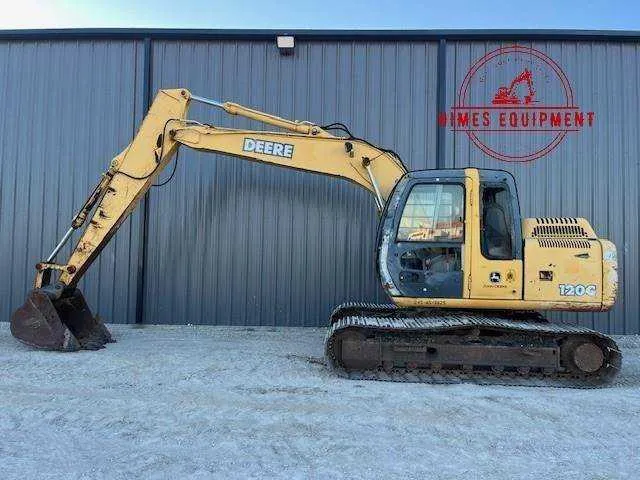
The John Deere 120 Excavator is designed for precision and reliability in various demanding tasks. Its hydraulic system allows for powerful digging and lifting, ensuring optimal performance in tight spaces. With a robust engine that delivers consistent power, the machine can operate efficiently across different job sites.
Engineered with advanced hydraulics and a durable undercarriage, this model stands out for its longevity and ease of maintenance. It features an impressive lifting capacity and reach, making it ideal for both excavation and material handling. The controls are intuitive, giving operators the ability to complete tasks with minimal effort and maximum accuracy.
For improved fuel efficiency, the John Deere 120 Excavator is equipped with technologies that optimize fuel consumption. Routine maintenance intervals are straightforward, allowing for quick servicing without disrupting the workflow. This machine is perfect for operators looking for a balance between performance and reliability, ensuring it will last through many cycles of demanding work.
John Deere 120 Excavator Specifications
The John Deere 120 excavator delivers high efficiency and power in demanding work environments. It is designed for versatility and ruggedness, equipped with a powerful engine and hydraulic system. Below are key specifications that set it apart:
- Engine: 4.5L turbocharged, 106 hp, with low fuel consumption
- Operating Weight: Approximately 12,500 kg (27,558 lbs)
- Max Digging Depth: 5.3 meters (17.4 feet)
- Max Reach: 8.2 meters (26.9 feet)
- Hydraulic System: Closed-loop system with a maximum pump flow of 197 L/min (52.0 gpm)
- Bucket Capacity: 0.4 to 0.6 cubic meters (0.5 to 0.8 cubic yards)
- Travel Speed: 5.5 km/h (3.4 mph) on flat ground
- Track Gauge: 2.39 meters (7.8 feet)
- Ground Pressure: 40.6 kPa (5.9 psi)
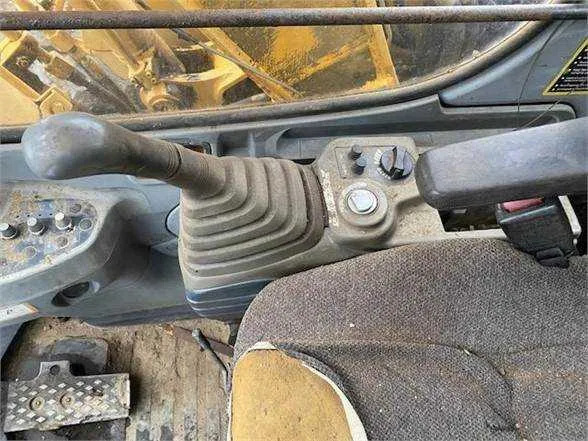
The excavator is equipped with a highly responsive joystick control, offering precise and smooth operation for various tasks. It is ideal for tasks such as digging, lifting, and grading in tight spaces or rough terrains.
The efficient hydraulic system and powerful engine allow the 120 excavator to perform even under challenging conditions, ensuring long-lasting productivity. These specifications make it a suitable choice for medium to large-scale construction projects.
Engine Power and Fuel Efficiency
The John Deere 120 excavator features a powerful engine, delivering 81 horsepower from its final tier 4 engine. This power enables smooth operation in demanding environments while maintaining high productivity. It provides excellent digging and lifting capabilities, making it ideal for construction projects that require significant force and precision.
Fuel efficiency is a standout aspect of this machine. The 120 model is engineered to optimize fuel usage, reducing the number of refueling stops and lowering overall operating costs. Its high-efficiency hydraulics and variable displacement pump further enhance fuel conservation by adjusting power delivery based on load, ensuring minimal waste.
Operators can benefit from the fuel savings provided by advanced engine control systems, which intelligently regulate power output. This ensures that the engine operates at peak efficiency during both light and heavy operations. As a result, the 120 excavator consistently delivers strong performance with lower fuel consumption than other models in its class.
Hydraulic System and Digging Performance
The John Deere 120 Excavator is equipped with a highly efficient hydraulic system designed to optimize digging performance. The system provides quick response times, enabling the operator to handle various digging tasks with precision. The pump delivers a flow rate that supports smooth operation, even under heavy load.
Its hydraulic performance ensures maximum power transfer to the arm, bucket, and boom, allowing for greater digging depth and reach. The system is engineered to minimize energy losses, providing consistent power throughout operations. Whether in loose soil or more compacted material, the excavator maintains its performance, ensuring fast cycle times and increased productivity.
For digging tasks, the excavator offers strong lifting capability and breakout force. With its well-balanced hydraulic components, the machine can easily handle large loads, making it suitable for tough construction environments. The hydraulics also offer fine control, allowing the operator to maneuver and position the arm with high accuracy.
Regular maintenance of the hydraulic system, including checking fluid levels and replacing filters, is key to preserving its performance. Keep the system clean and ensure seals and hoses are in good condition to avoid leaks and maintain optimal functionality.
Maintenance Requirements and Service Intervals
To keep the John Deere 120 excavator in optimal working condition, follow the manufacturer’s maintenance schedule. Perform routine checks and maintenance tasks at regular intervals to prevent downtime and extend the machine’s lifespan.
Check the engine oil every 250 hours. Replace the oil filter and oil at every 500-hour interval. For the hydraulic system, inspect the fluid levels at 250-hour intervals and replace the fluid every 1000 hours of operation.
Clean the air filter after every 100 hours of operation. If the excavator operates in a dusty environment, inspect and clean the filter more frequently. The fuel filter should be changed every 500 hours, ensuring smooth engine operation and preventing fuel system clogging.
Inspect the undercarriage components, including tracks and sprockets, every 500 hours. Lubricate all grease points as specified by the manufacturer. Pay attention to wear patterns to prevent costly repairs.
Check the cooling system at regular intervals to ensure proper function. Clean the radiator and radiator screens every 500 hours to avoid overheating and potential engine damage.
Monitor the battery condition. Clean the terminals and inspect the battery voltage during routine checks. Replace the battery after 3 years or if there are signs of deterioration.
For the hydraulic components, including hoses and pumps, check for leaks and wear every 250 hours. Service these components as needed to maintain efficiency.
Follow these intervals and consult the machine’s manual for any adjustments or parts specific to your operating conditions.