John Deere 5430 Tractor Specifications and Key Features
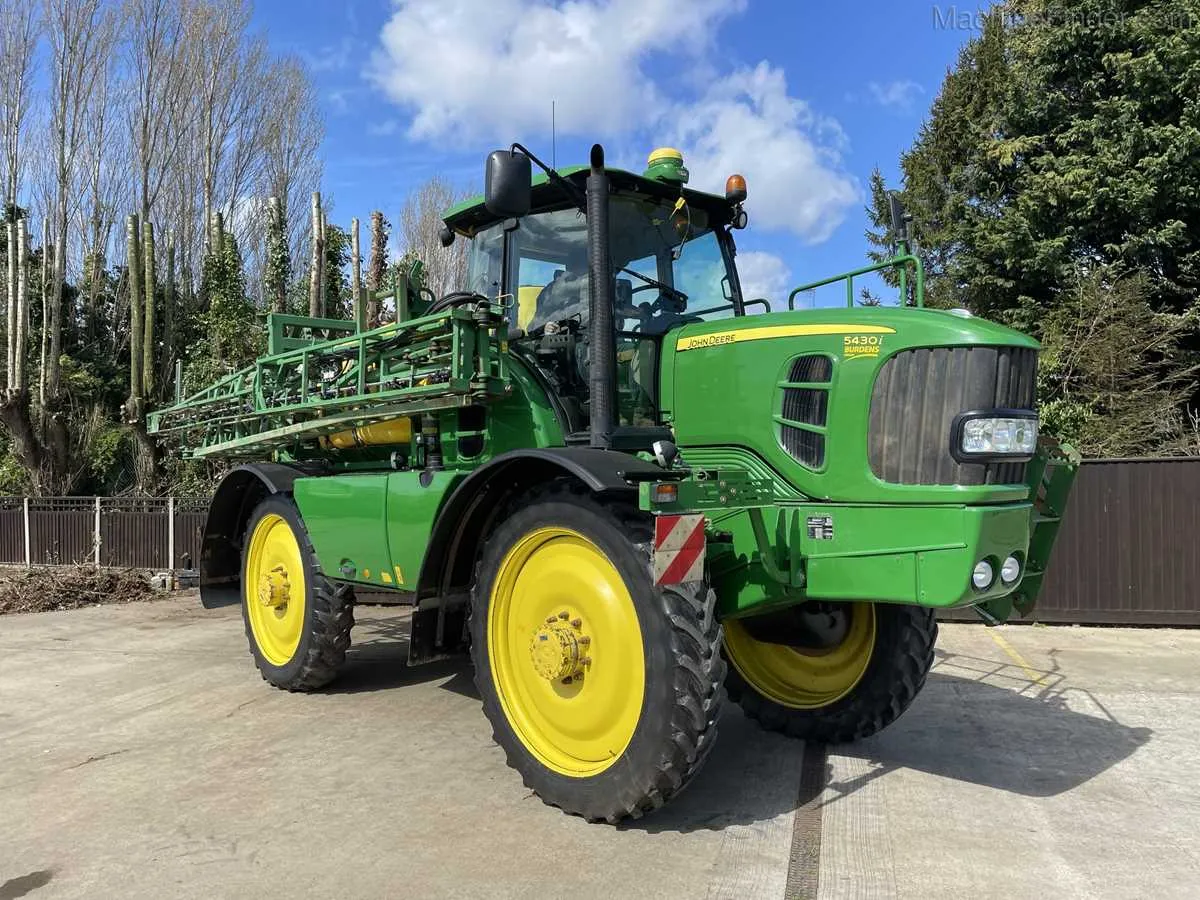
The John Deere 5430 tractor is built for demanding tasks, offering strong performance and reliable power for various agricultural needs. With a 95-horsepower engine and advanced hydraulic systems, it delivers both versatility and efficiency on the field. If you’re looking for a machine that handles heavy lifting and efficient fuel use, this model will meet those expectations.
Its 4WD system ensures excellent traction on challenging terrains, while the spacious cab improves operator comfort during long hours of operation. The drivetrain is engineered for durability, ensuring longevity with minimal maintenance. Whether you’re plowing, hauling, or lifting, the John Deere 5430 is designed to provide smooth operation with enhanced load capacity.
For operators needing flexibility in different farming conditions, the John Deere 5430 excels with its customizable features, including various transmission options and PTO configurations. This makes it ideal for both field and yard work. Its ability to adapt to various attachments makes it an excellent choice for maximizing productivity on your farm.
John Deere 5430 Tractor Specs and Features
The John Deere 5430 offers a robust combination of power and versatility, tailored for heavy-duty farming tasks. With its 4-cylinder turbocharged engine, it generates up to 90 horsepower, making it ideal for demanding applications like plowing and hauling. The engine’s efficient design ensures reliability, even under prolonged use.
The transmission system provides smooth shifting through 12 forward and 12 reverse gears, offering flexibility across various terrains. The hydraulic system is capable of handling loads with ease, boasting a lifting capacity of 2,600 kg. This enables the tractor to manage larger implements and attachments without compromising performance.
The operator’s cabin is designed for comfort with clear visibility, adjustable seating, and simple controls that make long working hours less tiring. The advanced suspension system minimizes vibrations, ensuring stability across uneven ground. Additionally, the 5430’s fuel-efficient engine allows for extended working hours with fewer refueling stops.
For those requiring high performance with low maintenance, the John Deere 5430 comes equipped with durable components designed for longevity. The easy-to-access service points make routine maintenance straightforward, keeping downtime to a minimum. Whether handling large-scale tilling or light yard work, this model consistently delivers top performance.
Engine Performance and Power Output of John Deere 5430
The John Deere 5430 is equipped with a robust 4.5-liter, 4-cylinder engine designed to deliver reliable power. This engine produces a maximum of 90 horsepower, providing ample strength for a variety of agricultural tasks. It offers a solid combination of torque and efficiency, making it ideal for demanding operations.
With a maximum torque of 323 Nm at 1400 rpm, the engine ensures strong pulling capacity, even under heavy loads. This feature allows the 5430 to handle large implements and difficult soil conditions with ease. The engine’s design also enhances fuel efficiency, ensuring that it delivers power without excessive fuel consumption, which is vital for long working hours.
The engine is complemented by an efficient cooling system that maintains optimal temperature levels, preventing overheating during extended use. This contributes to both the longevity and consistent performance of the tractor. It is important to maintain regular service intervals to ensure the engine remains in peak condition for years to come.
For operators seeking versatility, the John Deere 5430 engine’s responsiveness to throttle adjustments provides a smooth and adaptable performance in various field conditions. Whether working on a flat field or tackling uneven terrain, the engine’s performance remains consistent and reliable, ensuring efficient productivity throughout the day.
Hydraulic System and Lift Capacity of John Deere 5430
The John Deere 5430 features a reliable hydraulic system designed for high performance and efficiency in demanding tasks. It is equipped with a closed-center, load-sensing hydraulic system, providing precise control and ensuring smooth operation during lifting and attachment work.
The system has a maximum flow rate of 22.9 gallons per minute (87 liters per minute), delivering consistent power to the tractor’s implements and tools. This capacity allows the John Deere 5430 to perform tasks like lifting heavy loads or operating various attachments with ease.
The rear lift capacity of the John Deere 5430 is 4,400 lbs (1,996 kg), making it suitable for a wide range of agricultural and construction tasks. The tractor can handle large implements, such as plows or mowers, with ease and provides excellent stability during operation.
- Hydraulic Flow Rate: 22.9 GPM (87 LPM)
- Maximum Lift Capacity: 4,400 lbs (1,996 kg)
- Type: Closed-center, load-sensing system
- Steering Pump Flow: 10.5 GPM (40 LPM)
- Number of Rear SCVs: 2
These specifications highlight the tractor’s ability to handle large-scale projects while maintaining efficient hydraulic operation, making it a great choice for farmers and operators who need reliable lifting power combined with smooth hydraulic control.
Maintenance and Service Intervals for John Deere 5430
The John Deere 5430 requires regular maintenance to ensure optimal performance and longevity. Change the engine oil every 250 hours or annually, whichever comes first. Always use the recommended oil type for your climate and operational conditions.
The air filter should be inspected every 100 hours and replaced if necessary. Clean the fuel filter every 500 hours, and replace it every 1000 hours for best results. Hydraulic oil and filters need changing every 1500 hours to prevent contamination and maintain smooth operation.
Inspect the cooling system every 250 hours and clean the radiator to avoid overheating. The coolant should be replaced every 6000 hours or every five years, depending on the usage. Grease all pivot points every 50 hours or once a week during heavy use to reduce wear on the moving parts.
Check the tires for wear and proper inflation regularly, adjusting them according to manufacturer recommendations. Regularly inspect belts and hoses for signs of damage and replace any that show signs of wear.
Follow the service manual for additional detailed intervals, such as valve clearance adjustments and more in-depth system checks. Keep a service log to track maintenance and ensure all tasks are completed on schedule.