John Deere 111 PTO Clutch Preload Specifications and Setup
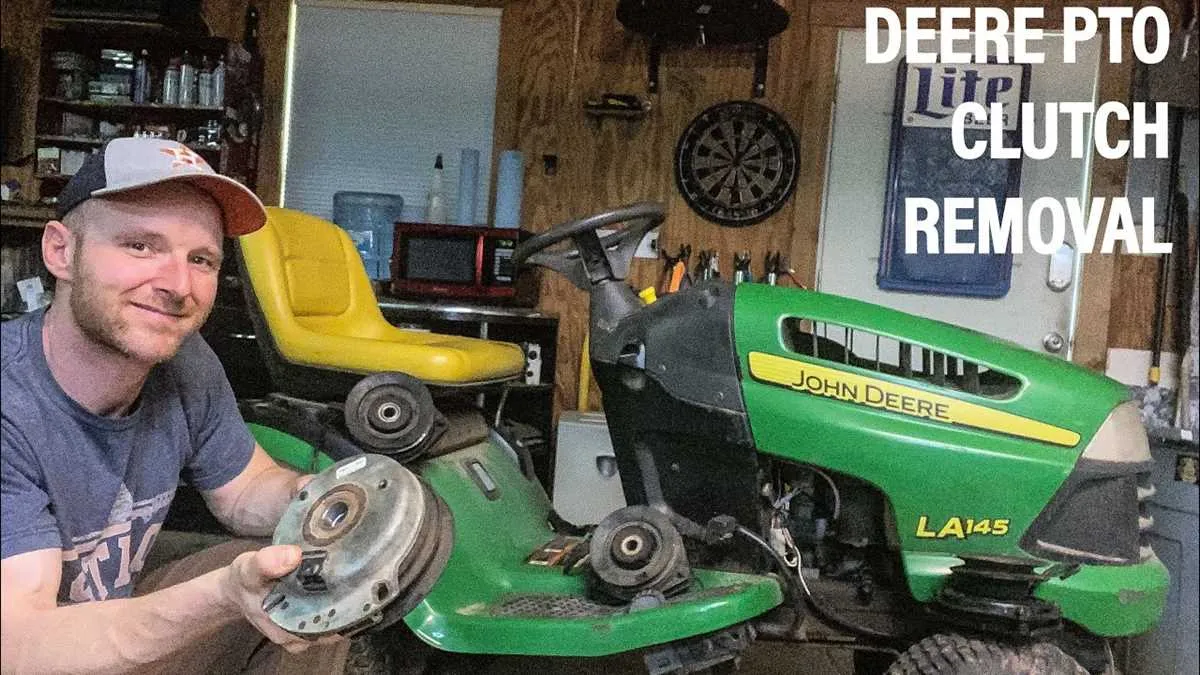
The John Deere 111 PTO clutch preload should be adjusted to 4-5 lbs of force. This ensures optimal clutch engagement without excessive wear. A precise preload helps maintain consistent performance and avoids potential damage to the PTO system.
To properly set the preload, use a spring scale to measure the force required to engage the clutch. If the preload is too low, the clutch may not engage fully, leading to slipping. On the other hand, too much preload can cause unnecessary strain on the system.
When servicing the PTO clutch, ensure that the preload is checked regularly. This is particularly important for operators who use the tractor in demanding conditions, as improper preload can lead to costly repairs and downtime.
John Deere 111 PTO Clutch Preload Specifications
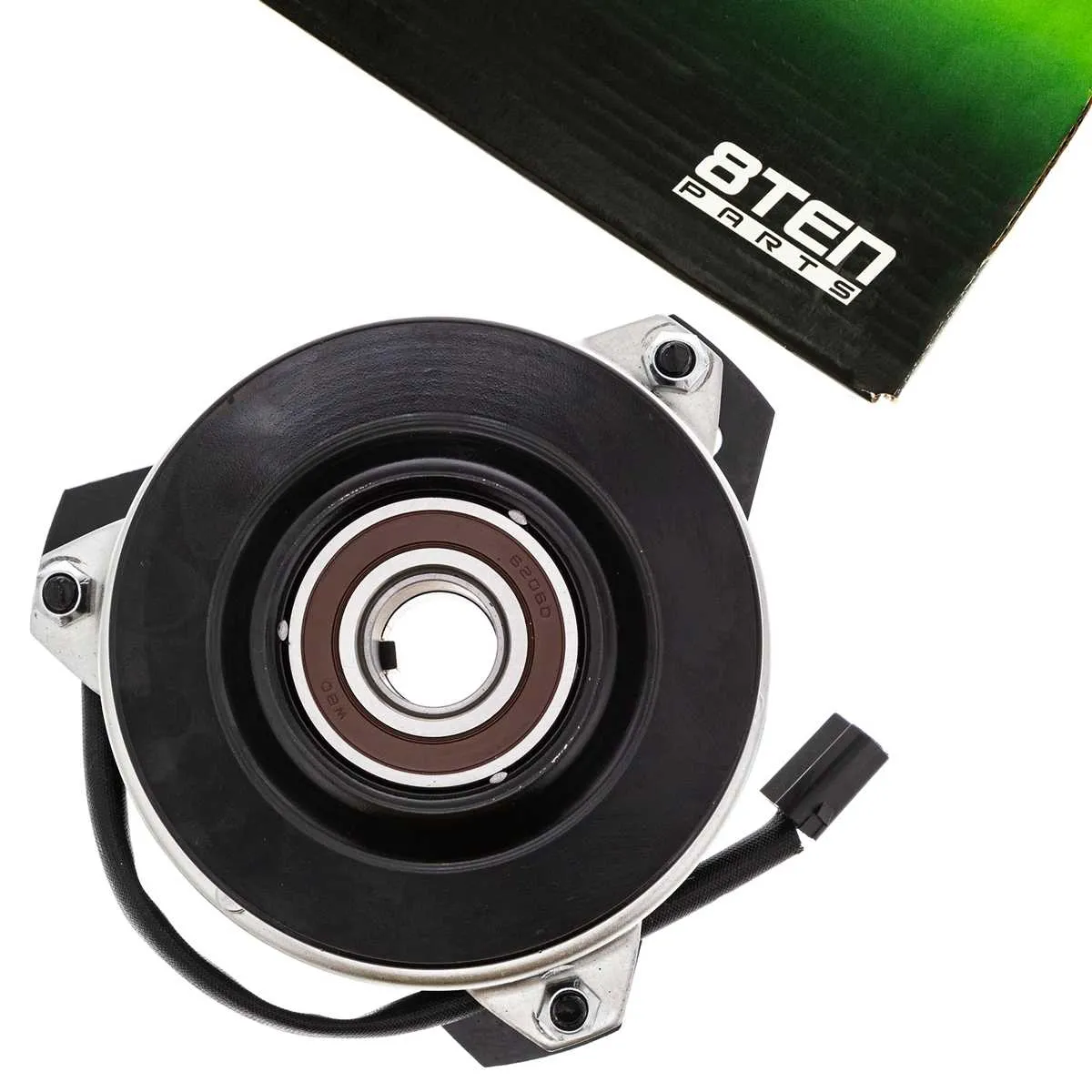
For proper functionality of the John Deere 111 PTO clutch, preload must be set with precision. This ensures that the clutch operates smoothly and without unnecessary wear. The preload setting typically ranges between 5/32″ to 7/32″ for accurate engagement. This measurement is vital to prevent slippage while maintaining optimal power transfer to the PTO system.
Start by adjusting the preload nut to the correct position using a torque wrench. The specified preload should be achieved without over-tightening, as excessive pressure can cause premature wear on the clutch components. If you’re unsure of the torque values, refer to the manufacturer’s manual for the specific model of your tractor, as these can slightly vary depending on production year and specifications.
After adjusting, rotate the PTO shaft by hand to check for smooth engagement. If resistance or unusual friction is noticed, recheck the preload and adjust as necessary. Additionally, it is recommended to regularly inspect the PTO clutch for wear and tear, especially after long hours of operation. Ensuring the correct preload is key to extending the life of both the clutch and the PTO system.
How to Measure PTO Clutch Preload on John Deere 111
To measure the PTO clutch preload on the John Deere 111, begin by ensuring the engine is off and the tractor is on a stable, flat surface. Disconnect the battery to prevent any accidental starts. Using a wrench, remove the PTO cover to access the clutch assembly.
Next, use a caliper or micrometer to measure the thickness of the clutch plates. Check for any wear or damage before proceeding with the preload measurement. The ideal preload specification is typically between 0.005 and 0.010 inches of compression. Adjust the clutch spring tension as necessary to achieve the correct preload. Ensure that the clutch is seated properly and the springs are evenly compressed.
After making the adjustment, reassemble the PTO cover and reconnect the battery. Start the engine and test the PTO functionality to ensure it engages smoothly without excessive noise or slippage. If the preload is not set correctly, the PTO may not function properly or could be damaged over time.
Adjusting PTO Clutch Preload for Optimal Performance
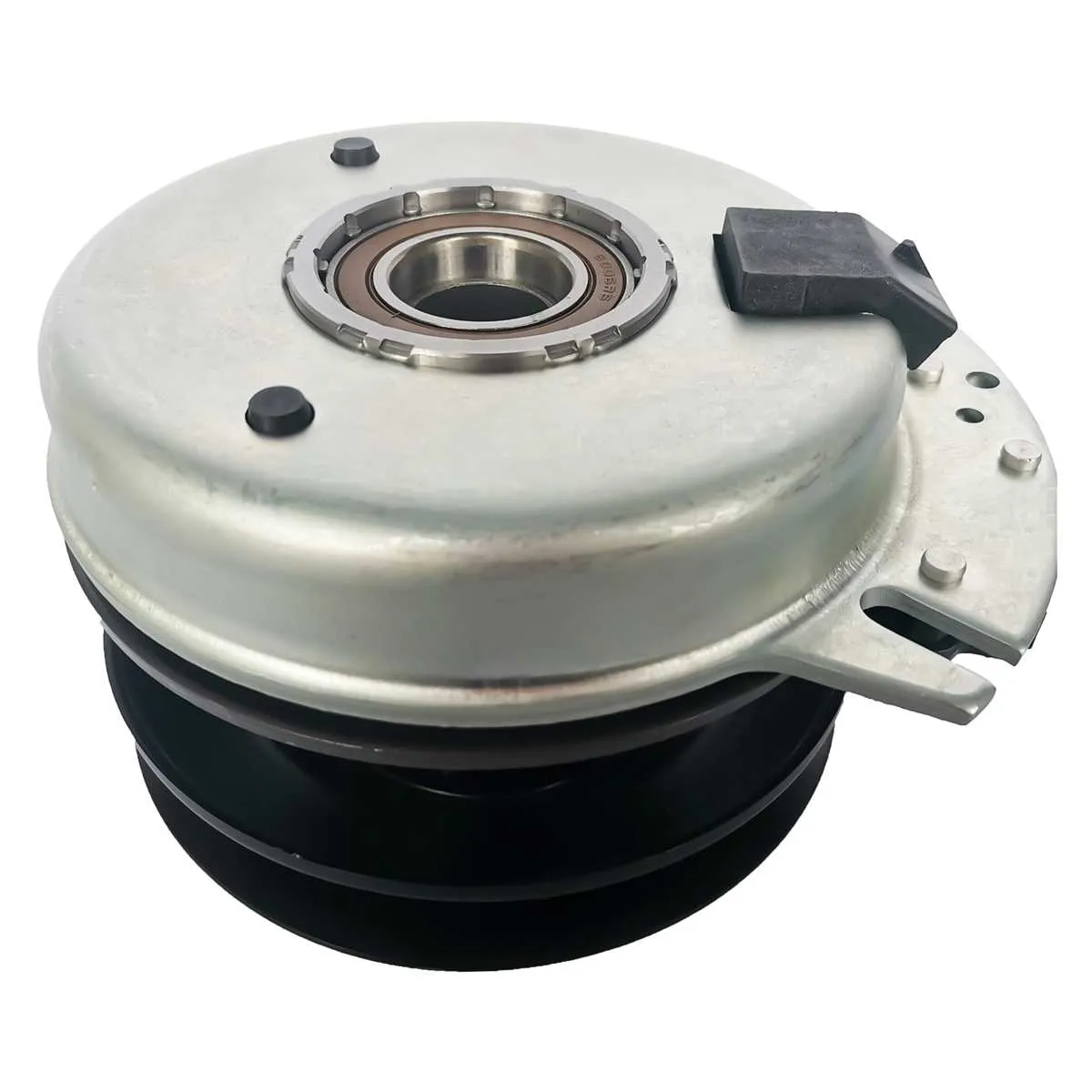
Set the PTO clutch preload to 10-15 ft-lbs using a torque wrench. This ensures proper engagement and prevents excessive wear. Check the preload after any maintenance or if the clutch shows signs of slipping or inconsistent operation.
To adjust the preload, remove the clutch assembly and check the spring tension. Adjust the bolt to increase or decrease the preload as necessary. Ensure that the spring is properly aligned to avoid uneven pressure on the clutch components.
If the preload is too high, it may cause the clutch to drag, leading to premature wear. If it’s too low, the PTO may fail to engage properly. A balanced preload provides smooth operation and prolongs the life of both the clutch and the PTO system.
Always verify the adjustment with a test run. Check for any unusual noises or vibrations during operation, which may indicate the need for further adjustment. Keep an eye on the PTO performance over time to ensure consistent functionality.
Common Issues with PTO Clutch Preload and How to Fix Them
Incorrect PTO clutch preload can lead to a variety of problems that affect the performance and longevity of your John Deere 111 tractor. Here are some common issues and their solutions:
- Excessive Preload: If the PTO clutch is too tight, it can cause excessive friction, leading to overheating and premature wear of components. This issue may also result in difficulty engaging the PTO. To fix this, loosen the clutch preload slightly, ensuring that the clutch springs are not overly compressed.
- Insufficient Preload: If there’s not enough preload, the PTO clutch may fail to engage properly, causing inconsistent power delivery. This can also lead to slippage. To correct this, increase the preload gradually until you achieve the correct tension. Refer to the manufacturer’s specifications for the precise preload value.
- PTO Slipping: A slipping PTO clutch is often caused by improper preload. If the clutch isn’t set to the right tension, the PTO can disengage or slip under load. Ensure that the preload is correctly adjusted. Additionally, inspect the clutch discs for wear or contamination and replace if necessary.
- Poor PTO Engagement: This issue typically arises from an incorrectly adjusted clutch preload or worn-out parts. If the clutch preload is too high or too low, it can prevent smooth engagement. Adjust the preload to the recommended level and check the condition of the PTO engagement lever and related parts for wear.
- Excessive Vibration: Excessive preload can also cause vibrations during operation. These vibrations are often a result of uneven clutch pressure. Loosening the preload slightly can reduce vibrations and restore smoother operation.
Regular inspection and maintenance of the PTO clutch are critical for optimal performance. Always follow the manufacturer’s guidelines for preload adjustments and ensure that the clutch components are in good condition. If issues persist, consult a professional for a thorough inspection and repair.