John Deere Specifications and Features for Agricultural Machinery
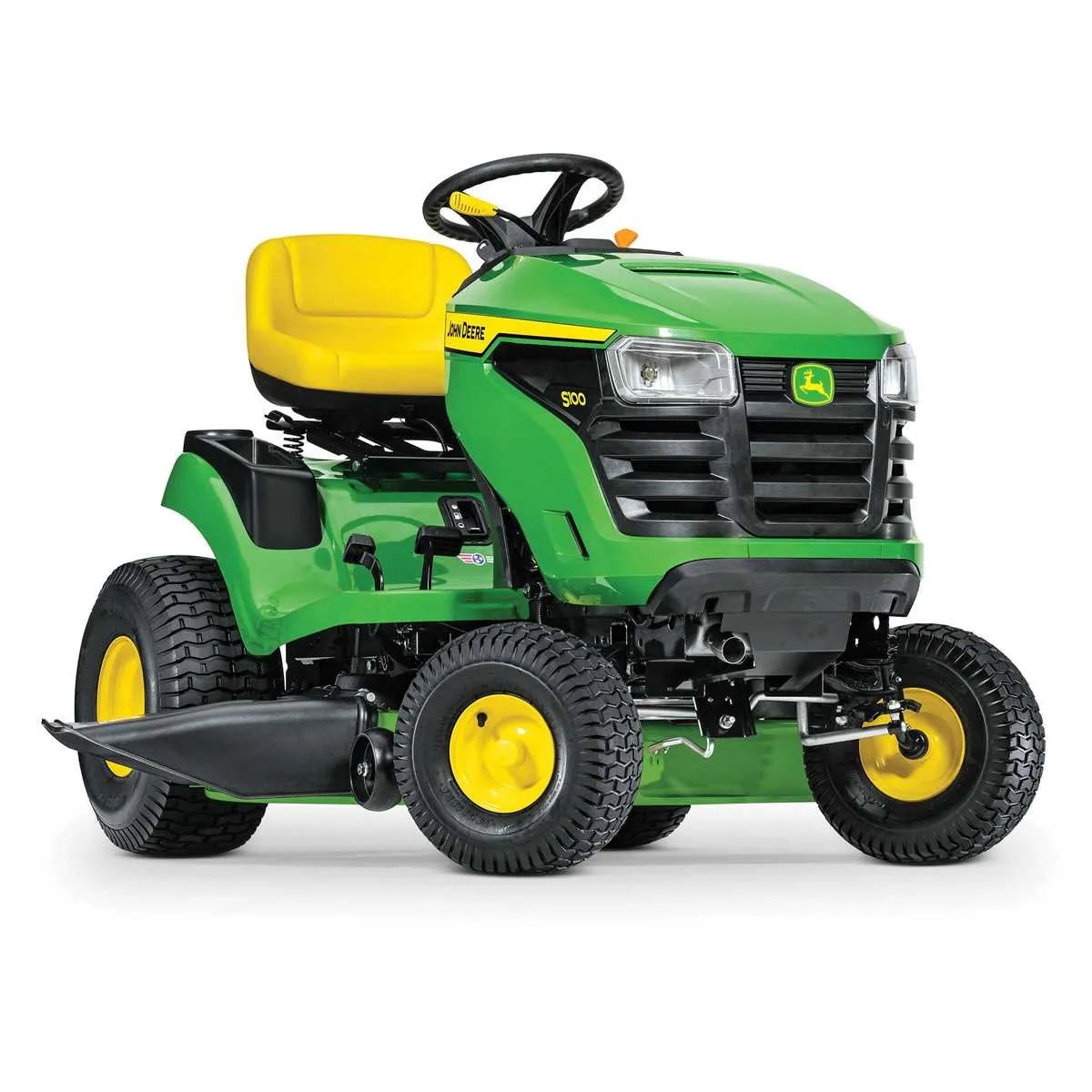
John Deere tractors stand out due to their performance, durability, and cutting-edge technology. Whether you’re looking for a powerful machine for heavy-duty tasks or a compact model for lighter duties, understanding the specs of each model helps you make an informed choice. The key to selecting the right John Deere model lies in evaluating horsepower, fuel efficiency, transmission types, and other performance factors specific to your needs.
For those working in agriculture or construction, knowing the engine capacity is vital. John Deere offers engines ranging from 30 to over 600 horsepower, giving users the flexibility to pick the right machine for the job. Models like the 8R series offer exceptional power, while the 5E series focuses on fuel efficiency and reliability for smaller scale operations.
Transmission type is another critical element. The AutoPowr transmission found in many John Deere tractors ensures smooth shifting and enhances operator comfort. For high-efficiency tasks, this system allows for precise control over speeds, improving productivity in demanding environments.
The hydraulics system is another area where John Deere shines, with advanced solutions such as the Hydrostatic Drive System that provides superior control over attachments. This system helps reduce wear and tear while increasing the versatility of the machine for various applications, from plowing to lifting.
By knowing these specifications and how they align with your requirements, you can select the John Deere model that best fits your operational needs. Understanding each spec helps you maximize the longevity and productivity of your equipment investment.
John Deere Specs
John Deere machines are known for their durability and performance. The company offers a wide range of specifications across its product lineup, tailored to various agricultural and construction needs.
The John Deere 8R series tractors, for example, boast up to 410 horsepower, making them perfect for large-scale farming operations. These tractors come equipped with advanced hydraulics that deliver a flow rate of 113.6 liters per minute, ensuring smooth operation of implements like planters and cultivators.
For those requiring more maneuverability, the John Deere 6M series provides a balanced combination of power and agility. With engine options ranging from 105 to 155 horsepower, they are ideal for medium to large farms. These tractors also feature a 4WD system for increased traction in tough conditions.
John Deere combines, such as the S700 series, stand out for their impressive capacity. These machines feature a grain tank that holds up to 14,100 liters, allowing longer operating times between unloadings. The S700 series also includes advanced technology like the Harvest Smart system, which adjusts the machine’s settings automatically for optimal performance.
When it comes to utility equipment, John Deere skid steers like the 320G deliver excellent versatility. With a lifting capacity of 1,400 kg and a powerful 74-horsepower engine, they can easily handle a range of tasks from construction to landscaping.
For operators who demand precision, the John Deere GPS guidance system offers unparalleled accuracy. With the ability to correct for any drift and guide machinery with pinpoint precision, this system reduces overlap and increases efficiency, even on large fields.
With a range of options available, John Deere ensures that you can match your equipment’s specifications to your unique needs, maximizing performance, and minimizing downtime.
Understanding Engine Power and Torque of John Deere Tractors
When selecting a John Deere tractor, it’s vital to focus on engine power and torque, as they directly impact performance, efficiency, and fuel consumption. These specifications help you match the tractor to specific tasks like tilling, hauling, or mowing.
Engine power is usually measured in horsepower (HP) and refers to the engine’s ability to perform work over time. John Deere tractors are available in a wide range of horsepower options, from compact models like the 1 Series (25-37 HP) to larger machines like the 9R series (450-600 HP). The power determines how much weight the tractor can handle and the type of attachments it can run smoothly.
Torque, measured in lb-ft (pound-feet), plays a crucial role in low-end power, allowing the tractor to handle demanding tasks like plowing or pulling heavy loads. Tractors with higher torque numbers deliver more pulling power at lower engine speeds, providing smoother operation and better fuel efficiency under heavy load conditions. For example, the John Deere 7R series tractors deliver up to 1,775 lb-ft of torque, ideal for tough agricultural operations.
To choose the right tractor, consider the required torque for specific tasks:
- Light tasks like mowing or light tilling: A tractor with lower horsepower (40-60 HP) and moderate torque (150-250 lb-ft) will suffice.
- Heavy-duty work like plowing or hauling large loads: A model with higher horsepower (100-250 HP) and high torque (over 700 lb-ft) will perform more efficiently.
John Deere’s engines, such as the PowerTech™ and 9.0L Series, are designed to deliver high torque at lower RPMs. This feature helps maintain power even under heavy load conditions, reducing fuel consumption and wear. Matching engine power and torque to your specific farming needs ensures you can tackle various tasks without overloading the engine.
Keep in mind that other factors like transmission type and gear ratio also influence how engine power and torque are transferred to the ground. Whether you are working on flat terrain or inclined areas, the right combination of these specs can significantly improve tractor performance and longevity.
Key Features of John Deere Transmission Systems
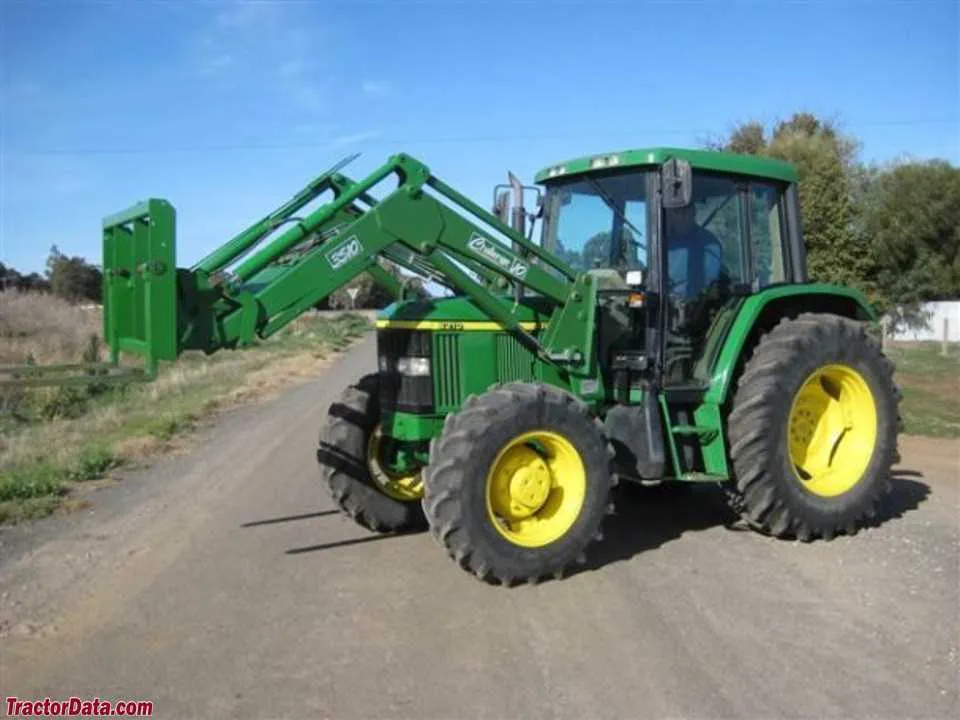
John Deere transmission systems stand out for their precision and adaptability in demanding agricultural tasks. The company offers a range of transmission options designed to optimize both power and fuel efficiency, ensuring smoother operations across varying terrains.
The AutoQuad Plus and PowerShift systems provide seamless shifting, eliminating the need for clutching while maintaining optimal engine power. The AutoQuad Plus, for instance, allows for a full range of speeds without interruption, perfect for tasks requiring consistent movement such as plowing or planting.
The Infinitely Variable Transmission (IVT) is another standout feature. It allows the operator to adjust the tractor’s speed continuously, offering full control without discrete gears. This system is beneficial for applications like baling, where maintaining a constant speed is key to achieving uniform results.
John Deere also offers the CommandPRO joystick, which lets operators easily control transmission functions with a simple, ergonomic interface. This feature streamlines the tractor’s operation, especially in heavy-duty jobs, reducing the physical strain on operators while enhancing precision.
The PowerShift transmission, found in high-horsepower models, offers quick gear changes under load. This is particularly advantageous when tackling tasks that require sudden shifts in power, such as hauling or towing heavy loads. The system ensures minimal interruption in power delivery, maintaining productivity even under demanding conditions.
For fuel-conscious operations, John Deere’s transmission systems are designed to enhance engine efficiency. By optimizing power distribution, the systems help reduce fuel consumption while maintaining performance levels, especially on extended working hours. This contributes to reduced operating costs over time.
With these advanced transmission technologies, John Deere delivers reliable performance, making their tractors well-suited for a variety of agricultural applications that demand precision and efficiency.
John Deere Hydraulic Systems: Capacity and Performance Details
John Deere hydraulic systems are designed to deliver reliable power and performance across a variety of agricultural and construction machinery. The capacity of these systems plays a direct role in determining how effectively machines can handle demanding tasks like lifting, pulling, or pushing heavy loads.
For example, the hydraulic system in the John Deere 8R Series tractors boasts a maximum flow rate of up to 120 L/min (31.7 gpm), ensuring smooth operation even under heavy-duty conditions. This high flow rate is critical for operating attachments such as planters, balers, and sprayers, which require consistent and robust hydraulic power.
John Deere hydraulic systems are equipped with features that enhance performance, such as load-sensing technology, which adjusts the hydraulic flow based on the load requirements. This ensures that the system operates efficiently, avoiding unnecessary power consumption while maintaining optimal pressure levels.
When considering hydraulic capacity, it’s important to note that the John Deere 6M Series tractors offer a hydraulic lift capacity of 3,500 kg (7,716 lbs), allowing for the operation of large implements. For operators requiring higher lifting capabilities, larger models like the John Deere 9R can lift up to 5,500 kg (12,125 lbs), offering excellent versatility for more demanding jobs.
John Deere also integrates advanced hydraulic control systems to improve precision. Features like Electrohydraulic control (EHC) allow operators to fine-tune the speed and movement of hydraulic functions, which is particularly beneficial when performing tasks that require careful control, such as baling or grading.
Hydraulic performance is further enhanced by durable components, such as reinforced hydraulic hoses and seals, designed to withstand high pressures and frequent use. This leads to reduced downtime and lower maintenance costs, making John Deere machines more cost-effective in the long run.