John Deere 620i Specifications and Key Features
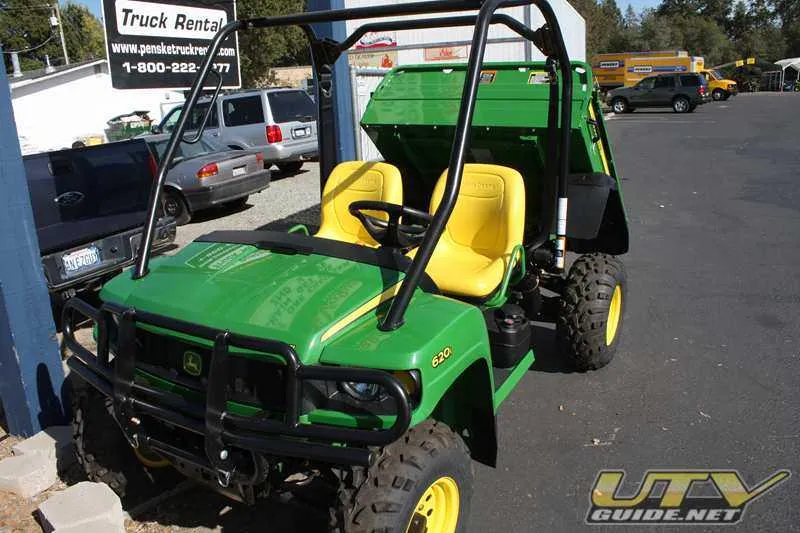
The John Deere 620i is a versatile and reliable utility vehicle, built to tackle tough tasks with ease. It features a 617 cc, 4-stroke, 2-cylinder engine, delivering 22.4 horsepower, providing sufficient power for a variety of applications. With a maximum speed of 25 mph, it’s well-suited for both work and recreational use on rough terrains.
Equipped with a 4-wheel-drive system, the 620i ensures stable handling on challenging surfaces. The drivetrain is supported by an independent rear suspension, offering a smooth ride even on uneven ground. Its towing capacity is impressive, capable of hauling up to 1,100 lbs, making it an excellent choice for heavy-duty tasks.
The vehicle is designed with durability in mind, featuring a high-strength frame and solid construction. The 620i comes with a 4-wheel disc brake system, ensuring effective stopping power in various conditions. The cargo box offers a generous 400 lbs of payload capacity, making it practical for transporting tools, equipment, or other materials.
For comfort, the 620i has adjustable seats and an ergonomic steering wheel, allowing operators to work long hours without strain. With a fuel tank capacity of 6.3 gallons, it ensures sufficient range for extended workdays. The compact design of the 620i also makes it easy to maneuver in tight spaces, increasing its versatility for different environments.
John Deere 620i Specs
The John Deere 620i is equipped with a 617 cc engine, delivering a power output of 22.4 hp. This makes it an excellent choice for those needing reliable power for work on various terrains.
The 620i comes with a 4-wheel drive, providing enhanced stability and traction in challenging conditions. With a maximum speed of 25 mph, it ensures efficiency on both flat and hilly ground.
The vehicle has a cargo box capacity of 400 lbs, which makes it suitable for transporting tools, materials, and equipment. The towing capacity is 1,100 lbs, ensuring it can handle moderate loads with ease.
With a fuel tank capacity of 5.5 gallons, the John Deere 620i offers long-lasting performance for extended work hours. Its hydraulic system delivers 1,000 psi, supporting various attachments for added versatility.
The 620i features a full-length skid plate for undercarriage protection, offering durability and safety during off-road work. Its comfortable seating and user-friendly controls ensure ease of use for operators during long shifts.
Engine Specifications and Performance of the John Deere 620i
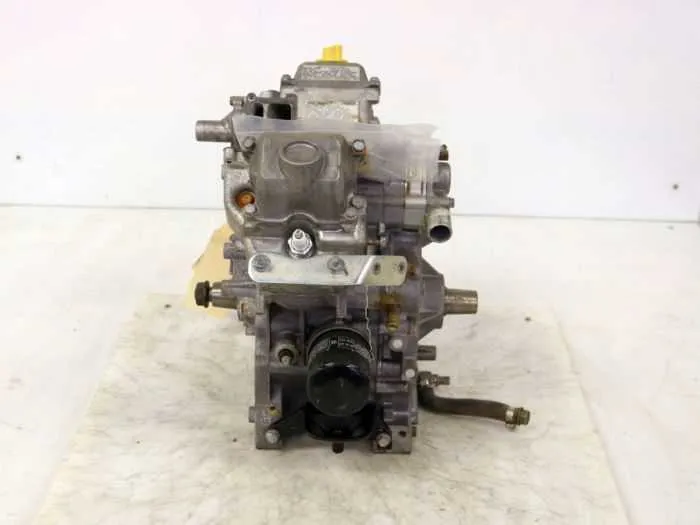
The John Deere 620i features a 4-stroke, liquid-cooled, twin-cylinder engine that delivers reliable power and performance. This engine provides 20.6 horsepower at 4,400 RPM, ensuring the 620i can handle demanding tasks with ease. The engine is paired with a Continuously Variable Transmission (CVT), optimizing efficiency and smooth gear shifts for a variety of applications.
With a displacement of 617 cc, the engine offers a strong torque curve for better acceleration and hill-climbing capabilities. The compression ratio stands at 9.1:1, balancing power and fuel efficiency. The engine’s electronic fuel injection (EFI) system ensures consistent performance across varying altitudes and temperatures, while the 10.5-gallon fuel tank provides extended operating time, reducing the need for frequent refueling.
For durability, the engine is built with high-quality components designed to withstand harsh environments. The engine also includes an integrated air intake system that improves overall combustion efficiency and lowers emissions. Whether you’re navigating rough terrain or working on a farm, the John Deere 620i’s engine delivers consistent power without compromising reliability.
Performance-wise, the 620i offers a top speed of 25 mph, making it suitable for both work and recreational use. The engine’s ability to maintain a steady speed even under load enhances its versatility, making it ideal for various utility tasks. Whether you’re towing equipment or carrying heavy loads, the John Deere 620i performs without hesitation.
John Deere 620i Dimensions and Towing Capacity
The John Deere 620i has a compact yet robust design that makes it ideal for a variety of tasks. It measures 106 inches in length, 58 inches in width, and 73 inches in height, making it easy to maneuver through tight spaces while maintaining a solid presence on uneven terrain.
With a wheelbase of 64.6 inches and a ground clearance of 9.3 inches, the 620i is well-suited for off-road use, providing ample clearance over obstacles without compromising stability.
The towing capacity of the John Deere 620i is impressive. It can tow up to 1,100 pounds, making it a reliable option for hauling equipment or materials around your property. This capacity ensures that the 620i can handle moderate to heavy loads with ease, making it versatile for various applications.
Fuel Economy and Maintenance Considerations for the John Deere 620i
The John Deere 620i provides reliable fuel economy with an average consumption of 6.5 to 7.5 gallons per hour depending on load and terrain. Regular maintenance can help optimize fuel efficiency and prolong engine life.
- Fuel Type: Always use clean, high-quality fuel with the correct octane rating to avoid engine knocking and fuel system damage.
- Air Filters: Replace the air filter every 100 hours or sooner if operating in dusty conditions. Clogged filters can reduce airflow, decreasing fuel efficiency.
- Oil Changes: Change the engine oil every 50 hours or at least once a season to ensure smooth operation and prevent excess wear on engine parts.
- Fuel System: Keep the fuel system clean by using fuel additives recommended by John Deere. Regularly inspect fuel lines for leaks or damage.
- Tire Pressure: Check tire pressure regularly, as underinflated tires can lead to increased fuel consumption and uneven wear.
- Cooling System: Maintain the cooling system by flushing it annually and ensuring the radiator is free of debris. This prevents engine overheating, which can affect fuel economy.
Following these maintenance practices will ensure the John Deere 620i operates efficiently, improving fuel consumption and reliability over time.