John Deere 790 Tractor Reviews and Specifications Overview
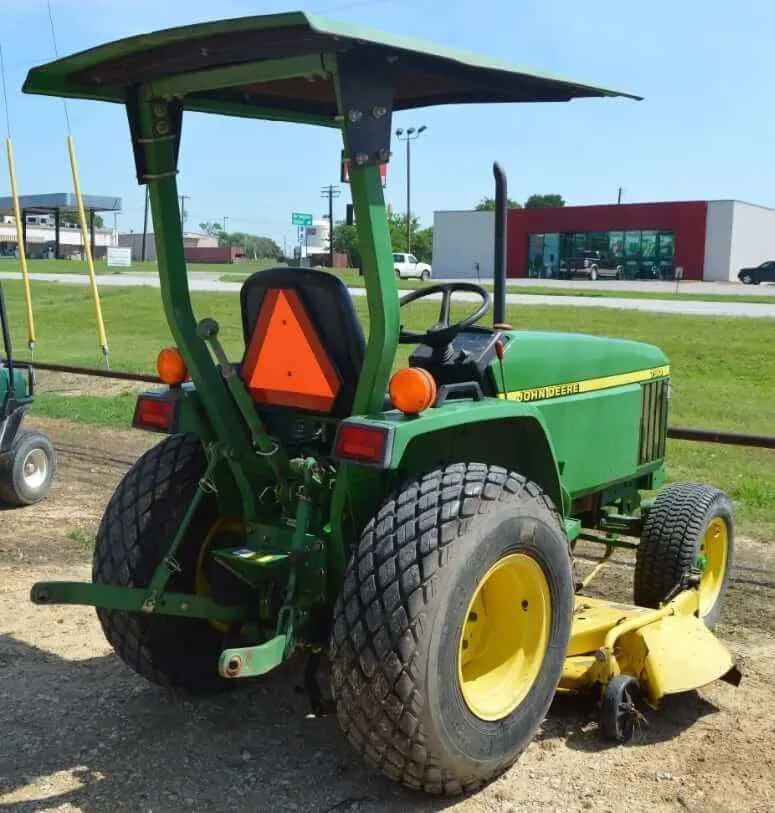
If you’re considering the John Deere 790 for your farming or landscaping needs, it’s essential to understand its core specs and how they stack up against competitors. The 790 offers a solid mix of power, versatility, and reliability, making it a go-to choice for both small farms and large estates. Equipped with a 32.5 horsepower engine, it strikes a balance between performance and fuel efficiency, handling a wide range of tasks with ease.
Its 4WD option significantly improves traction and maneuverability in challenging terrains, whether you’re plowing fields or moving heavy materials. The 790’s tight turning radius allows for more precise work in confined spaces, an advantage over larger, bulkier models. With its rugged transmission system and durable chassis, this tractor is built for years of heavy-duty work without sacrificing comfort.
In terms of operator experience, the John Deere 790 doesn’t disappoint. The cabin is designed for comfort with straightforward controls and a clear dashboard layout, making it accessible for both seasoned operators and newcomers. The simple, yet effective design means less time spent on maintenance and more time working on the ground.
While the John Deere 790 might not have the latest bells and whistles, its combination of power, efficiency, and practicality makes it a reliable investment for anyone looking for a workhorse that gets the job done without fuss.
Reviews Specs John Deere 790
The John Deere 790 compact utility tractor stands out for its blend of power, performance, and versatility. With a 30 horsepower engine, it’s well-suited for a wide range of tasks like landscaping, snow removal, and small-scale farming.
The 790’s 3-cylinder Yanmar diesel engine delivers solid fuel efficiency and durability. The power steering enhances maneuverability, making it easier to operate, even in tight spaces. The 4WD option provides added traction when working on challenging terrain.
One of the key features of the John Deere 790 is its simplicity. Its user-friendly design and intuitive controls mean operators can quickly get to work without feeling overwhelmed. The tractor’s small size allows for easy transport and storage, while its sturdy build ensures it will last for years of use.
| Specification | Details |
|---|---|
| Engine | Yanmar 3-cylinder diesel, 30 HP |
| Transmission | Synchro-range transmission, 8 forward/4 reverse gears |
| Fuel Tank Capacity | 13.5 gallons |
| Hydraulic System | 9.5 gallons per minute |
| Lift Capacity | 1,100 lbs at the 24-inch mark |
Many operators appreciate the 790’s reliability and low maintenance costs. It’s equipped with a standard Category 1 3-point hitch for quick attachment and detachment of implements. The relatively low price point compared to similar models in its class makes the John Deere 790 an attractive option for buyers who need power without the premium cost.
In summary, the John Deere 790 is a dependable and cost-effective solution for those needing a compact yet capable utility tractor. Whether you are clearing land, mowing fields, or moving materials, it’s a solid choice that won’t disappoint.
Key Engine Specifications and Performance of John Deere 790
The John Deere 790 features a 1.0L, 3-cylinder Yanmar diesel engine that delivers 24.7 horsepower at 2,400 RPM. This engine size is ideal for light agricultural and property maintenance tasks, offering a balance of power and efficiency.
With a 12.5-gallon fuel tank, the 790 runs for extended periods, reducing refueling interruptions. The engine is built with a wet-sleeve cylinder design, contributing to its long-lasting durability and ease of maintenance.
The PTO provides 17.8 horsepower, making the 790 well-suited for powering various implements like mowers, tillers, and snow blowers. It operates with a 2WD drivetrain, which is adequate for most tasks, though the 4WD version might be more appropriate for rougher, more challenging terrain.
Its hydrostatic transmission offers smooth control, making it easy to adjust speed without shifting gears. This feature enhances maneuverability when performing precise tasks, such as mowing or light hauling.
With a top speed of 13.5 MPH, the 790 moves efficiently between work areas. Its performance remains stable under load, maintaining power even when handling tough conditions.
In terms of ease of operation, the 790’s design ensures a user-friendly experience. Key engine information is easily visible on the dashboard, allowing operators to stay informed and manage the tractor effectively throughout various tasks.
Transmission Options and Their Impact on Operations
The John Deere 790 offers two key transmission options: the gear drive and the hydrostatic transmission. Each type plays a distinct role in how the tractor handles various tasks, influencing both performance and user experience.
The gear drive system provides consistent power and control, making it ideal for operations that require frequent shifting, like plowing or heavy lifting. It offers higher efficiency, especially when working with larger attachments. However, it does require the operator to manage the gears manually, which can be tiring in applications that involve constant changes in speed or direction.
On the other hand, the hydrostatic transmission simplifies operation by offering infinite speed control without the need for shifting gears. This system excels in tasks such as mowing, where smooth and consistent speed adjustments are needed. It reduces operator fatigue and improves maneuverability, especially in tight spaces. The trade-off, however, is that it can be less fuel-efficient compared to the gear drive under heavy-load conditions.
When choosing between these options, consider the type of work you plan to do. For tasks demanding high torque and power at a constant speed, such as pulling heavy implements, the gear drive may be the best choice. For tasks requiring more versatility and comfort, especially in smaller, more confined areas, the hydrostatic transmission will provide a smoother experience.
- Gear Drive: Best for heavy-duty tasks, offers better fuel efficiency under load.
- Hydrostatic Transmission: Ideal for varied speed tasks, enhances comfort and ease of use.
Ultimately, the right transmission choice impacts both the efficiency of the task at hand and the operator’s comfort throughout the day. For those seeking versatility, hydrostatic is a solid choice. For those focused on power and fuel economy under heavy load, gear drive shines.
Maintenance Requirements and Common Issues with John Deere 790
The John Deere 790 is a reliable tractor, but it requires consistent maintenance to keep running smoothly. Start by checking the engine oil and replacing it every 100 hours of operation. This helps maintain engine health and performance. Also, replace the oil filter with each oil change to prevent contaminants from circulating through the engine.
Another key maintenance task is the air filter. Clean or replace it regularly, especially if you’re working in dusty environments. A clogged air filter reduces engine efficiency and can lead to overheating. Inspect the fuel filter at least once per season to avoid fuel system problems. A dirty or worn fuel filter can cause poor fuel delivery and performance issues.
Hydraulic fluid is vital for the tractor’s power and stability. Regularly check fluid levels and top up as needed. If you notice any leaks around the hydraulic system, address them quickly to prevent further damage. The hydraulic oil and filter should be changed every 400 hours or annually, whichever comes first.
Tires should be checked for wear and air pressure regularly. Uneven tire pressure can affect the tractor’s balance and fuel consumption. Adjust tire pressure according to the manufacturer’s recommendation based on load and ground conditions. Periodic tire rotation can help extend their lifespan.
Common issues with the John Deere 790 include the fuel system clogging. This can be caused by debris in the fuel tank or fuel lines. It’s important to replace fuel filters as scheduled and ensure that your fuel is free from contaminants. The tractor may also experience starting difficulties if the battery is weak or connections are corroded, so always clean the battery terminals and check the battery charge before heavy use.
Another common problem is hydraulic pump failure. If you notice the tractor is losing power or the hydraulics aren’t operating smoothly, the pump might be the issue. Regular hydraulic fluid maintenance helps prevent this. Check the PTO (Power Take-Off) shaft and its connections for wear, as PTO issues can lead to performance drops during heavy-duty tasks.
Lastly, keep an eye on the alternator and charging system. A malfunctioning alternator can lead to electrical problems, making the tractor difficult to start or operate. Routine inspections will help catch these issues early and avoid unexpected downtime.