John Deere 1365 Mower Specifications and Features
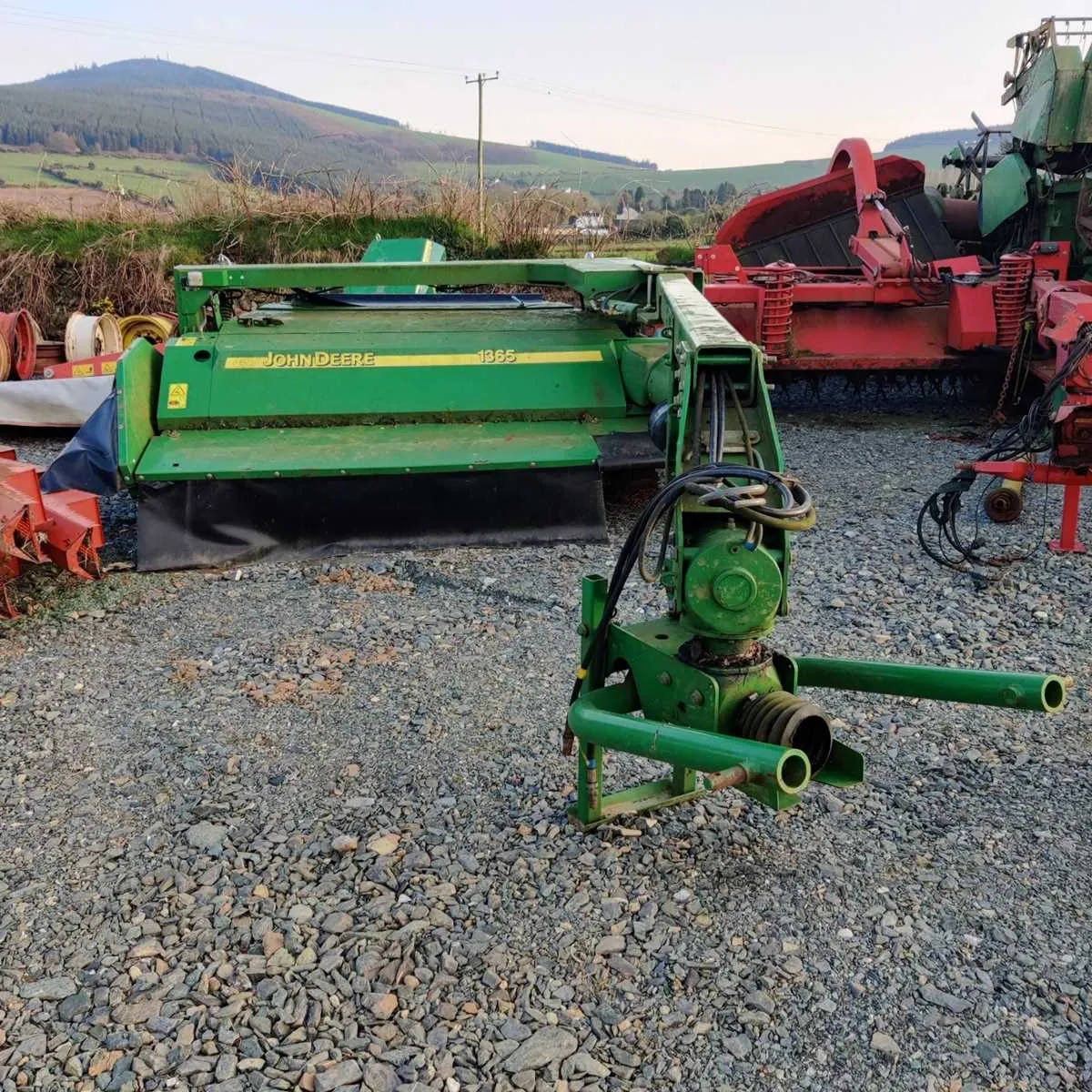
John Deere 1365 offers powerful and reliable performance for maintaining large properties or agricultural fields. Equipped with a high-performance engine, this mower ensures excellent fuel efficiency and cutting precision.
The engine specifications feature a robust diesel engine that provides consistent power. With a cutting width of 1.65 meters, the 1365 mower ensures quick, uniform cutting, making it a solid choice for commercial use or extensive property maintenance.
Hydraulic system plays a significant role in its lifting capacity, making it easy to manage heavy-duty tasks without compromising on performance. The system provides smooth operation and helps avoid wear and tear on both the mower and operator.
Maintenance tips for this model recommend regular checks of the oil, filters, and blade sharpness to keep the mower functioning optimally over time. Additionally, paying attention to tire pressure can enhance maneuverability and reduce operating costs.
John Deere 1365 Mower Specifications
The John Deere 1365 mower is equipped with a powerful engine designed for reliable performance in demanding conditions. It features a 3-cylinder, 1.6L diesel engine that provides consistent power for a variety of mowing tasks.
Key specifications include:
- Engine: 3-cylinder, 1.6L diesel engine, 37.5 hp (28 kW)
- Cutting Width: 5 ft (1.52 m)
- Hydraulic System: 16.5 gpm (62.5 L/min) flow rate
- Transmission: Hydrostatic, with a 0-12 mph (0-19 km/h) speed range
- Operating Weight: 3,360 lbs (1,523 kg)
- Fuel Tank Capacity: 14.5 gallons (55 liters)
The mower is designed for efficient cutting and smooth operation, making it ideal for large areas with heavy grass. The hydrostatic transmission ensures seamless operation, while the hydraulic system enhances the mower’s lifting capacity for more challenging tasks.
For maintenance, regular oil changes, air filter replacements, and hydraulic fluid checks are recommended to keep the mower running at its best. Periodically inspect the cutting deck and belts to prevent any wear or damage that could affect performance.
Engine Performance and Power Output
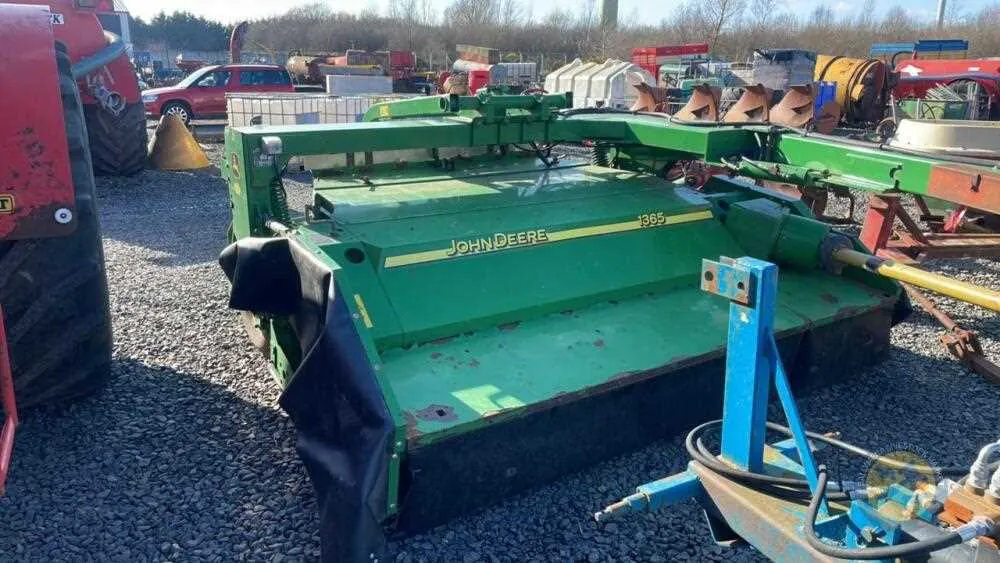
The John Deere 1365 mower is equipped with a robust engine designed for high performance. Its engine delivers reliable power, ensuring efficient operation even under heavy load conditions. The mower’s engine is capable of producing up to 36 horsepower, which allows for smooth operation across various terrains.
The power output is specifically designed to handle the mower’s cutting deck and ensure that it maintains consistent performance throughout extended use. The engine’s torque and power band are optimized for maintaining consistent blade speed, preventing stalling or loss of power during operation.
To maximize engine longevity and performance, regular maintenance is recommended, including checking the air filter, oil levels, and fuel system. Properly maintaining these components ensures that the engine continues to operate at its full capacity, reducing the risk of overheating or mechanical failure.
Hydraulic System and Lifting Capacity
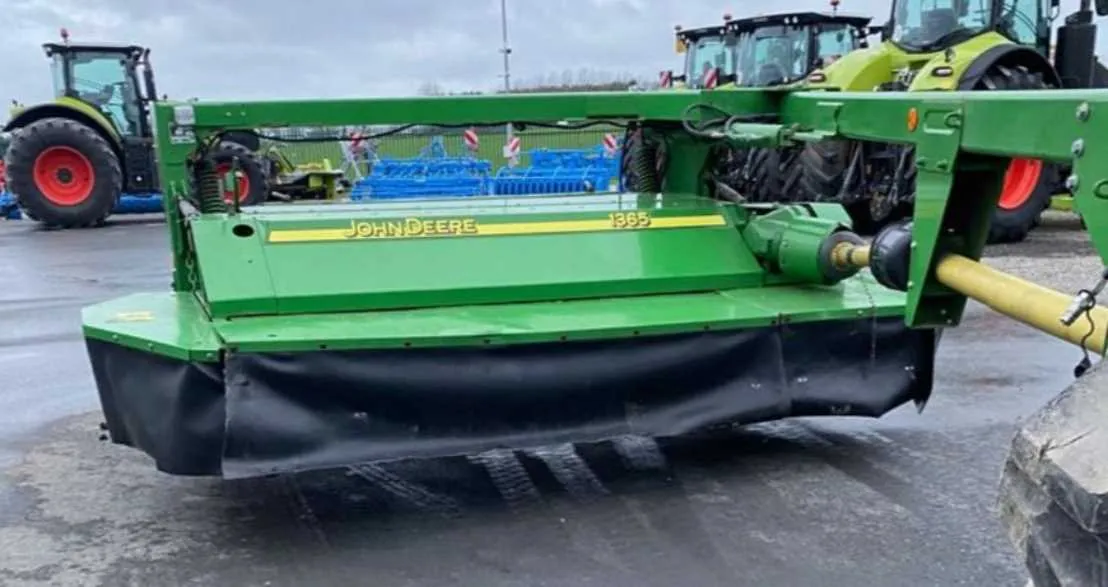
The John Deere 1365 mower’s hydraulic system offers reliable performance for various lifting tasks. With a lifting capacity of up to 1,000 kg, it ensures smooth handling of heavy attachments without compromising the machine’s stability or power.
To maintain optimal hydraulic function, regularly check fluid levels and inspect hoses for any signs of wear or leakage. Keep the hydraulic oil clean and replace filters as needed to avoid any performance issues. Proper maintenance ensures the longevity and reliability of the hydraulic system.
The hydraulic system is engineered to provide consistent lifting power, allowing for easy attachment changes and efficient mowing operations. With a responsive lift capacity, the mower adapts well to different ground conditions, making it versatile across a range of tasks.
Fuel Consumption and Maintenance Tips
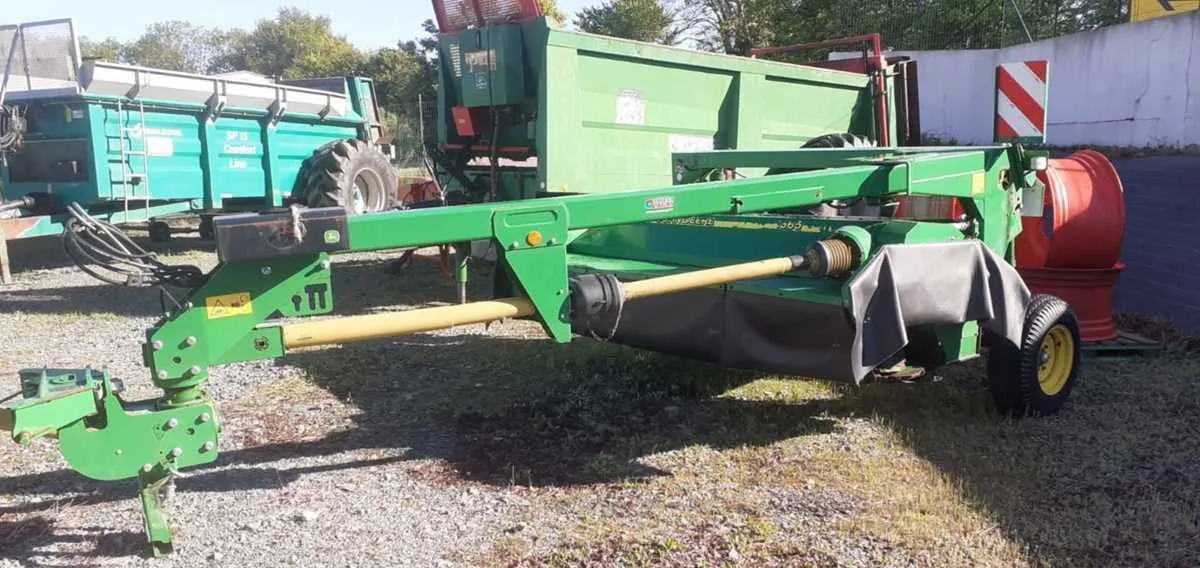
For optimal fuel consumption, keep the mower’s engine running at the appropriate load and speed. Running the engine at low speeds or under light loads increases fuel use. Regularly clean the fuel system to avoid clogging and ensure the engine operates smoothly. Use fresh, high-quality fuel to reduce inefficiencies.
Change the engine oil at regular intervals as specified in the owner’s manual. Worn oil increases engine friction, leading to greater fuel consumption. Always replace air and fuel filters to keep airflow and fuel delivery consistent, which prevents unnecessary fuel usage and improves engine performance.
Inspect tire pressure and ensure the wheels are properly inflated. Low tire pressure increases rolling resistance, causing the engine to work harder and consume more fuel. Tighten any loose components, as vibrations can lead to unnecessary wear and reduce fuel efficiency.
Check the hydraulic system for leaks and proper fluid levels. Leaking fluid can decrease the mower’s performance and increase fuel consumption due to increased workload on the engine. Regularly service the hydraulic system to avoid these issues.
Lastly, avoid unnecessary idling. Running the engine without a load wastes fuel. If you’re taking a break, turn off the engine to save fuel and reduce wear on the system.