John Deere 582 Baler Specifications and Key Features Overview
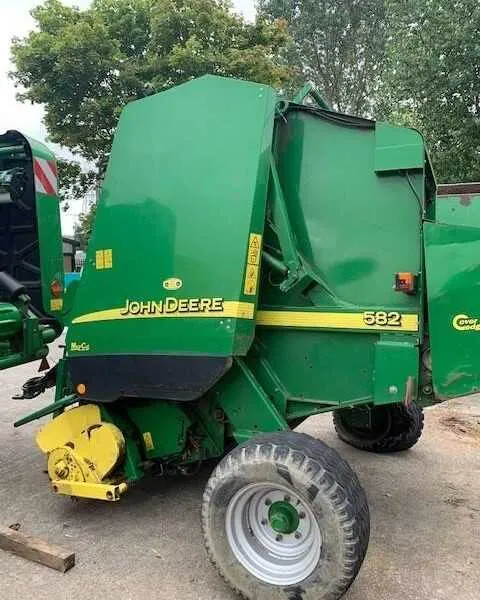
The John Deere 582 baler delivers reliable performance for large-scale farming operations, combining durability with high-quality hay and straw baling. This model is designed for those who need consistent output with minimal downtime, offering an impressive set of features that make it a top choice for modern farmers.
With a 4’ x 5’ bale size and a heavy-duty pick-up system, the 582 handles large volumes of material without losing efficiency. The baler is equipped with a variable bale chamber, allowing you to adjust the bale density depending on the crop conditions. This ensures that your bales are compact, uniform, and ready for storage or transport.
Another standout feature is the rugged gearbox, which efficiently transfers power to the baler’s mechanisms, ensuring smooth operation even under challenging conditions. The 582 is built with high-quality components that extend its service life and reduce maintenance needs, keeping your costs down and productivity up.
For those needing additional convenience, the 582 can be paired with John Deere’s advanced technology systems, offering real-time data monitoring and integration with farm management software. This makes tracking performance and optimizing output easier than ever, helping farmers make informed decisions on the go.
John Deere 582 Baler Specs
The John Deere 582 baler stands out with its reliable performance and efficient design. It is equipped with a variable chamber system, enabling you to produce consistent, tightly packed bales, even in varying conditions. With a 4×5-foot bale size range, this model offers flexibility to handle both small and large operations.
The baler is powered by a PTO system with 540 RPM, ensuring smooth operation with minimal power loss. It features a durable, heavy-duty frame and is designed to handle the most demanding baling jobs with ease. The machine’s weight is approximately 3,000 pounds, allowing for stability and durability during operation.
For improved productivity, the John Deere 582 comes with a high-capacity pick-up and a wide 72-inch intake, which increases efficiency by reducing clogging and improving feed rate. The three-belt system ensures optimal power transmission, keeping the baling process smooth and uninterrupted.
In terms of hydraulics, the 582 uses a reliable hydraulic tie system, which secures each bale with precision, reducing downtime for adjustments. The twine is applied evenly and securely, ensuring tight bales that are easy to handle and transport. It also has an easy-to-access monitor for controlling bale size and monitoring performance in real-time.
Designed for both ease of use and maintenance, the John Deere 582 baler features a simple, user-friendly interface. Regular maintenance tasks, such as greasing and adjusting, can be performed quickly thanks to its accessible design. This reduces downtime and keeps your operation moving efficiently throughout the day.
Key Technical Specifications of the John Deere 582 Baler
The John Deere 582 Baler is built for optimal performance and durability in demanding farming conditions. Its advanced features streamline hay and straw baling, ensuring smooth operation for large-scale harvesting.
The baler is equipped with a 5′ x 6′ bale size capacity, ideal for producing dense, compact bales. It has a pick-up width of 2.1 meters, allowing efficient gathering of material across a wide swath. This is paired with a high-quality, variable bale density control system, which lets operators adjust the compaction to suit specific needs.
Powered by a reliable PTO-driven system, the John Deere 582 Baler requires a tractor with a minimum of 50 horsepower to ensure maximum efficiency. It offers consistent performance even under heavy loads, with an impressive bale chamber that ensures uniformity in each bale.
The knotting system uses high-quality twine and is designed to produce reliable, secure knots for each bale. With an automatic tying mechanism, the machine reduces downtime, allowing operators to focus on the next steps in the process.
The John Deere 582 Baler features a durable frame, designed to handle tough conditions and provide long-lasting reliability. Its simple, user-friendly controls ensure quick setup and operation adjustments in the field, making it a trusted choice for many farmers.
Operating Capacity and Bale Size Settings for the John Deere 582
The John Deere 582 baler is designed to efficiently handle a wide range of materials with varying densities. For optimal performance, adjust the operating capacity and bale size based on the material being baled and the desired output.
The machine can produce round bales with a diameter ranging from 4 to 5 feet, allowing operators to choose the most suitable size for their needs. Here’s how to adjust the settings:
- Bale Diameter: To set the bale diameter, adjust the bale chamber’s hydraulic system. The 582 offers an easy-to-use dial that enables quick selection between 4′ and 5′ bale sizes.
- Bale Length: Bale length is controlled by the plunger’s stroke. This can be customized depending on the type of crop and how tight you need the bales to be.
- Operating Capacity: The baler can handle a variety of crop types, including hay, straw, and silage. It is rated to bale up to 35 tons per hour under ideal conditions, but this can vary based on crop density and moisture content.
Adjusting these settings ensures that the John Deere 582 delivers high-quality, consistent bales. Always monitor the moisture content and crop type to adjust operating capacity accordingly and prevent overloading.
For maximum efficiency, consider using the appropriate PTO speed. Running the machine at its recommended speed will maintain proper bale formation and reduce wear on components.
Maintenance Considerations and Common Issues with the John Deere 582 Baler
Regular cleaning of the pickup and rotor components prevents debris buildup, ensuring optimal performance. Check for wear on the teeth and springs, as these parts can wear out quickly with heavy use. Lubricating moving parts according to the manual’s specifications keeps the baler running smoothly and extends its lifespan.
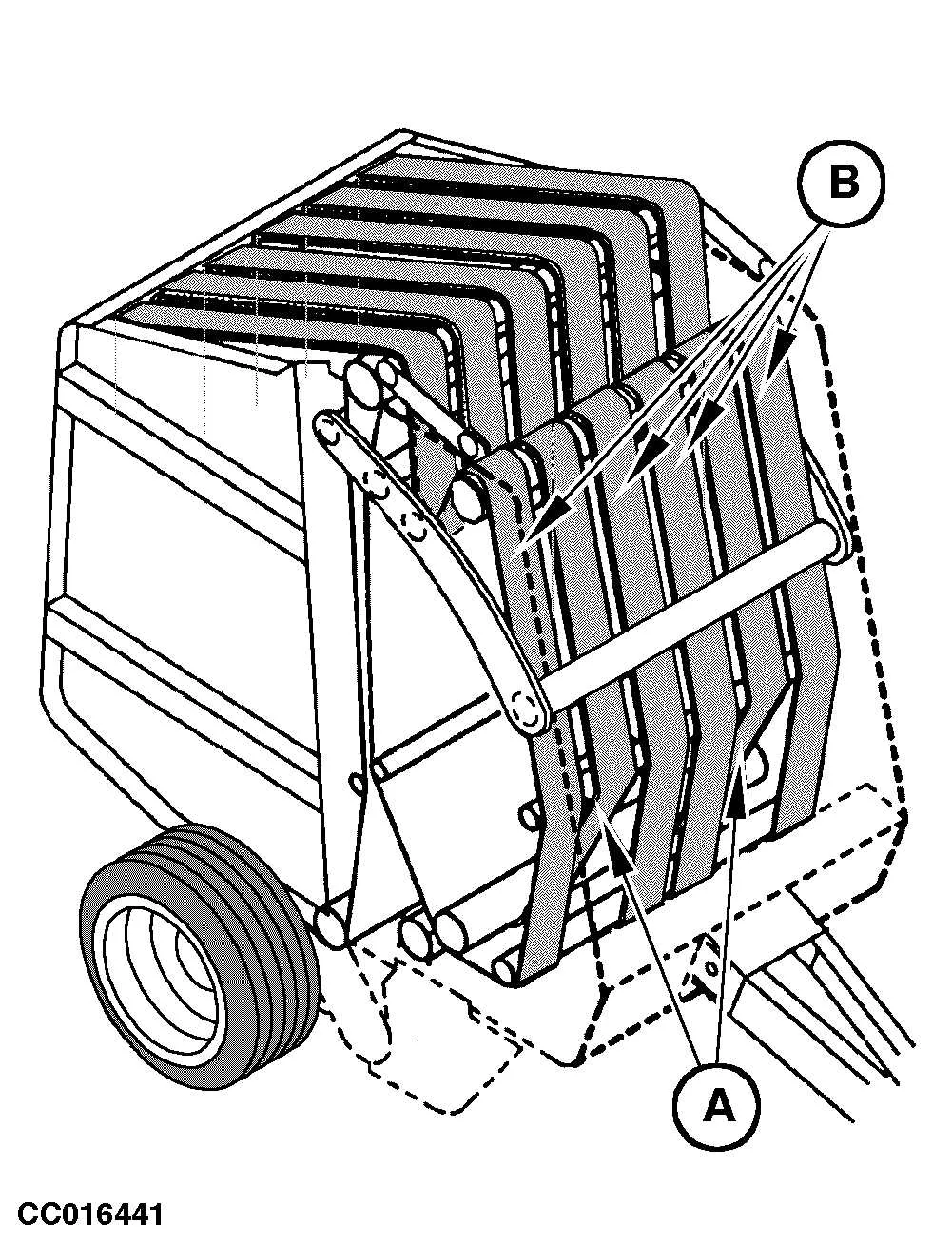
Inspect the belts for any signs of damage or fraying. Replace worn belts immediately to avoid more severe breakdowns that can affect the overall efficiency of the baling process. Proper tension adjustment on the belts also reduces unnecessary wear and prevents slippage.
Keep an eye on the hydraulic system. Low fluid levels or leaks can lead to a failure in the baler’s compacting mechanism. Periodically check the hoses and connections for any signs of wear or corrosion. Replace seals and gaskets before they cause any hydraulic failures, which can be costly and time-consuming to repair.
The knotting system requires frequent attention. If knots aren’t securing the bales tightly, check the twine tension and adjust the knotter mechanism. If the needles or twine discs show signs of wear, replace them before they cause knotting failures, which could result in wasted time and material.
Common issues include poor bale formation. This can be caused by improper settings on the bale chamber, or by an inefficient rotor. If the bales are not uniform, recheck the rotor clearance and make sure it’s not clogged with debris. Keep the bale chamber clean to ensure proper compression and consistency.
Another issue is with the monitoring system. Sometimes, sensor malfunctions can give false readings, causing unnecessary stops. Test the sensors regularly and clean them to avoid misreadings that could disrupt operations. Calibration is key to preventing unexpected shutdowns.