Detailed Specifications of John Deere 4700 Sprayer
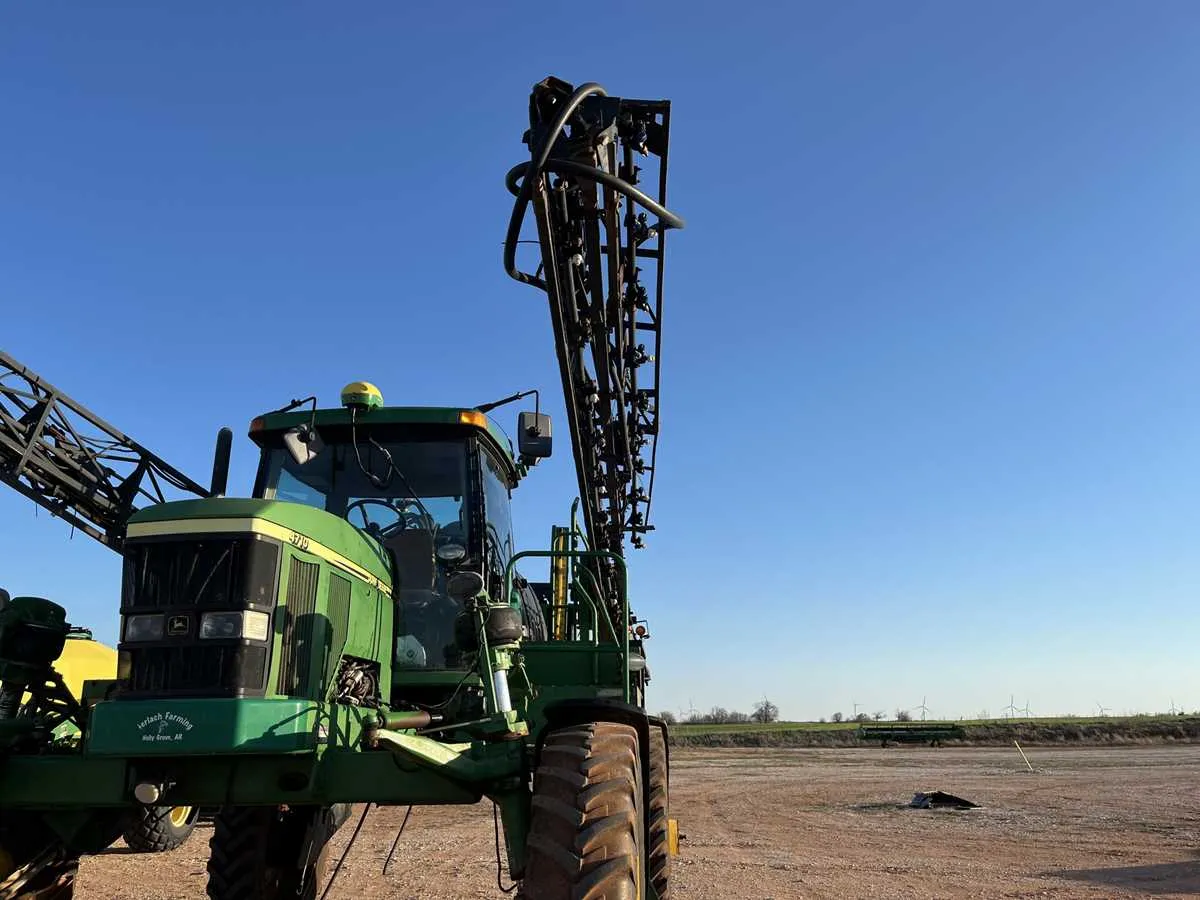
The 4700 John Deere Sprayer offers a versatile and robust solution for precision agriculture. With a large tank capacity and efficient spraying system, it ensures optimal coverage and crop protection. Its high-performance engine powers the sprayer, allowing for smooth operation even in challenging conditions.
Key specifications include a 3,000-liter tank capacity, enabling extended spraying sessions without frequent refills. The boom width can reach up to 120 feet, delivering an even spray pattern across wide fields. The hydraulic system allows for precise adjustments, maximizing efficiency and minimizing overlap.
The 4700 is equipped with advanced autonomous steering for improved accuracy, reducing operator fatigue. It also features adjustable suspension to adapt to varying field conditions, maintaining optimal stability. These characteristics make the 4700 an excellent choice for large-scale farming operations aiming to enhance productivity and precision.
4700 John Deere Sprayer Specs

The John Deere 4700 sprayer is designed for precision and durability. It offers a variety of features aimed at maximizing efficiency in the field. The sprayer comes with a high-clearance chassis, ideal for both large and small fields, providing ample space for precise application of pesticides and fertilizers.
The sprayer is equipped with a 90-foot boom that extends easily, allowing you to cover more ground in less time. Its powerful hydraulic system ensures smooth adjustments and flexibility during operation, making it a reliable option for large-scale farming operations.
The 4700 model is powered by a 200-horsepower engine, which ensures both speed and power, even when working on challenging terrain. The engine’s performance is balanced with excellent fuel efficiency, reducing operational costs during long shifts in the field.
For operator comfort, the 4700 features an advanced cab design, which includes ergonomic controls and a user-friendly display. This allows the operator to monitor the system’s performance in real-time, ensuring that all settings are optimized for maximum productivity.
Lastly, the John Deere 4700 sprayer includes enhanced spraying technology that ensures even application. The sprayer’s nozzles are optimized for various field conditions, ensuring precision in both wet and dry applications.
Key Performance Features and Capabilities
The 4700 John Deere sprayer offers outstanding performance with features designed for precision and productivity. Here are its key capabilities:
- Powerful Engine: Equipped with a robust engine, the sprayer ensures optimal power for large-scale applications, allowing for smooth operation even on tough terrains.
- Advanced Suspension System: The hydraulic suspension provides a smooth ride, maintaining stability during spraying operations and reducing operator fatigue.
- Wide Spray Coverage: The sprayer’s large boom width maximizes coverage per pass, reducing time spent on the field and increasing efficiency.
- Precision Ag Technology: Integrated GPS and automated steering systems ensure accurate application, minimizing chemical usage and optimizing coverage.
- High Tank Capacity: The sprayer’s large tank reduces the need for frequent refills, improving productivity during long operations.
- Efficient Pumping System: The powerful pump ensures consistent pressure and flow, enabling precise control over application rates.
With these features, the 4700 sprayer is designed to maximize both performance and operational efficiency, making it a reliable choice for demanding agricultural tasks.
Dimensions and Weight Distribution
The 4700 John Deere sprayer features compact dimensions that ensure maneuverability on various terrains. The total length measures 22.5 feet (6.86 meters), making it ideal for tight spaces. The width, with booms retracted, is 12.5 feet (3.81 meters), optimizing space for transportation without sacrificing performance. Its height is 11.8 feet (3.6 meters), accommodating various field conditions while ensuring ease of storage and movement.
Weight distribution is a critical aspect of the sprayer’s design. The 4700 has an operational weight of 13,500 pounds (6,123 kg). This weight is well-balanced, with a front axle load of 5,500 pounds (2,495 kg) and rear axle load of 8,000 pounds (3,629 kg). This even distribution enhances stability during field operations, ensuring better control and minimizing the risk of tipping in uneven terrain.
For added stability during spraying, the sprayer’s wheelbase measures 9.5 feet (2.9 meters). This configuration allows for a smooth and balanced ride, reducing soil compaction while maintaining precise spraying accuracy. The axle design supports an optimal weight load, ensuring effective weight transfer across the sprayer’s frame.
Maintenance and Operational Requirements
Regularly check the fluid levels in the 4700 John Deere sprayer. Ensure that engine oil, hydraulic fluid, and coolant are at the recommended levels before each use. This helps prevent overheating and keeps the machine running smoothly.
Inspect the air filters and clean or replace them as needed. Clogged filters can reduce engine efficiency and increase fuel consumption. Keep an eye on the fuel system, ensuring no leaks are present and that the fuel tank is securely fastened.
Inspect the sprayer nozzles regularly for any clogs or wear. Clean the nozzles after each use to avoid spraying inconsistencies or damage to the crops. Check the boom structure for any signs of wear and tear, especially at pivot points, as frequent operation can cause these areas to wear down faster.
Monitor tire pressure and tread condition. Proper tire pressure enhances the sprayer’s handling and fuel efficiency. Keep the tires inflated to the manufacturer’s recommended level, and replace any tires that show significant wear.
Test the hydraulic system for leaks, and lubricate all moving parts, including the boom and chassis. Routine maintenance ensures the hydraulic system operates efficiently, preventing downtime due to mechanical failure.
Ensure that the electrical system, including wiring and connectors, is in good condition. Clean battery terminals regularly to prevent corrosion and check that the alternator is functioning properly to maintain battery charge during operation.
Before storage, thoroughly clean the sprayer to remove any residue or chemicals. Store it in a dry, secure place to avoid exposure to harsh weather conditions that could damage sensitive components.