John Deere 320 Skid Steer Specifications and Performance Details
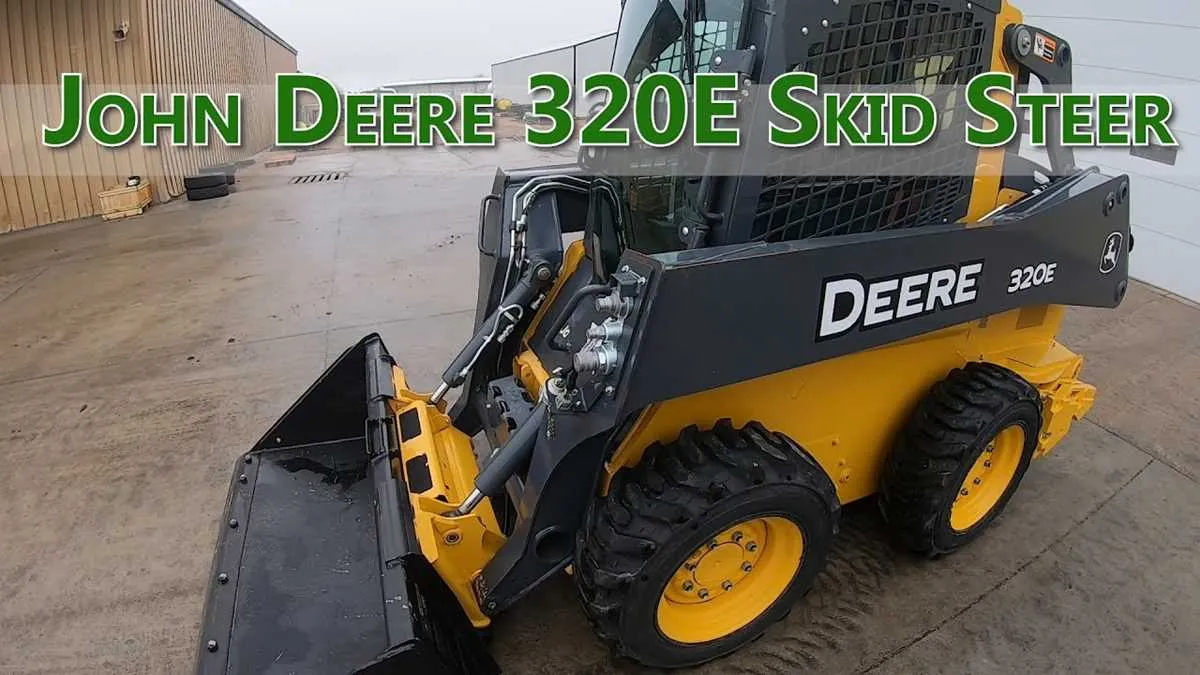
The John Deere 320 Skid Steer is a powerful machine designed to tackle a variety of tasks on construction sites, farms, and other work environments. With its reliable engine and strong lifting capabilities, this skid steer is a top choice for operators who need both performance and durability.
Powered by a 2.4L 4-cylinder diesel engine, the 320 model delivers impressive performance, generating 74.3 horsepower and offering a rated operating capacity of 1,800 lbs. This makes it an ideal choice for lifting heavy materials, hauling, and other demanding jobs that require power and stability.
With a lift height of 125 inches, the John Deere 320 is equipped to handle a wide range of attachments, increasing its versatility for various applications. The hydraulic flow is rated at 23.5 gpm, which supports quick and efficient operation of tools and attachments, further enhancing the machine’s productivity.
Operators will appreciate the comfortable and ergonomic cabin designed for long hours on the job. Featuring easy-to-use controls and a spacious interior, the 320 skid steer offers a smooth experience with less fatigue. With its reliable performance and user-focused design, this machine is built to get the job done effectively and efficiently.
320 John Deere Skid Steer Specifications
The 320 John Deere Skid Steer offers robust performance for demanding tasks with its impressive engine and hydraulics. The machine is powered by a 74.3 hp (55.4 kW) engine, delivering the strength needed to handle heavy loads. It comes with a rated operating capacity of 2,100 lbs (952 kg), making it ideal for lifting, carrying, and loading materials on the job site.
With a bucket breakout force of 3,000 lbs (1,361 kg) and lift height of 9 feet 3 inches (2.82 m), this skid steer provides the necessary power for lifting and clearing obstacles. The lift arm design also ensures a high lift path and visibility, which improves maneuverability in tight spaces.
The hydraulic system features a high-flow option, allowing for better performance with attachments. The high-flow system delivers up to 24.3 gallons per minute (92.1 L/min), providing additional versatility with tools like mulchers, snow blowers, and augers.
For stability, the 320 skid steer is equipped with a wide stance and low center of gravity, enhancing safety when working on uneven surfaces. The cab is spacious, offering excellent operator comfort with easy-to-use controls and a clear view of the surroundings.
Maintenance is straightforward, thanks to the easy-access engine compartment and centralized grease points, making service intervals efficient and reducing downtime. The 320 model also features advanced diagnostics that help identify potential issues before they become serious problems.
Whether you’re working in construction, landscaping, or agriculture, the 320 John Deere Skid Steer is built to meet the needs of a variety of tasks with reliability and power.
Engine Performance and Power Output of the 320 John Deere Skid Steer
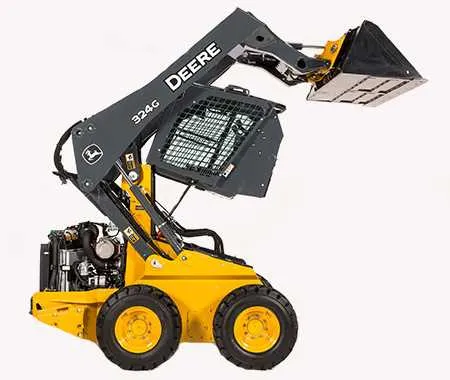
The 320 John Deere Skid Steer packs a reliable 2.4L, 4-cylinder turbocharged diesel engine. It generates 74 horsepower, offering a solid power-to-weight ratio that ensures efficient operation in various applications. This engine provides a maximum torque output of 240 lb-ft, contributing to superior lifting and pushing capabilities.
The engine is designed for low emissions while maintaining robust performance, allowing the 320 to meet Tier 4 Final requirements. It runs smoothly even in challenging environments, with an electronic throttle control that adjusts engine speed based on load demands.
For operators seeking consistent performance, the 320’s engine excels in both fuel efficiency and power. The combination of high torque at lower RPMs and its turbocharged design provides excellent fuel economy, reducing operating costs without compromising productivity.
Whether for heavy-duty lifting, material handling, or earthmoving tasks, the 320’s engine ensures smooth power delivery and minimizes downtime, making it a reliable choice for a range of demanding projects.
Hydraulic System and Lift Capacity of the 320 John Deere Skid Steer
The hydraulic system of the 320 John Deere Skid Steer ensures smooth operation and high lifting performance for demanding tasks. With a powerful 2,900 psi (200 bar) system pressure, it delivers efficient power to operate a variety of attachments and lift heavy loads with precision.
The lift capacity of the 320 John Deere Skid Steer is impressive, reaching up to 1,750 pounds (794 kg) at full height. This makes it suitable for lifting and transporting materials, such as pallets, heavy equipment, and construction debris, effortlessly. The vertical lift path offers maximum reach and stability, enabling better clearance for loading into trucks or working in tight spaces.
Key specifications of the hydraulic system and lift capacity:
- Hydraulic pressure: 2,900 psi (200 bar)
- Lift capacity (rated operating capacity): 1,750 lbs (794 kg)
- Lift height: 126 inches (3.2 meters)
- Hydraulic flow: 23.5 gpm (89 l/min)
- Auxiliary hydraulic flow: 17.9 gpm (68 l/min)
For efficient attachment handling, the 320 features a quick-attach system and offers an auxiliary hydraulic flow that allows for seamless operation of tools such as augers, grapples, and breakers. Whether working on construction, landscaping, or material handling, this skid steer provides the hydraulic power needed for tough tasks.
When selecting attachments, ensure that the hydraulic system’s flow and pressure align with the tool requirements for optimal performance. With the 320’s lift capacity, you can handle demanding operations while maintaining control and stability in a variety of environments.
Maintenance Requirements and Durability of the 320 John Deere Skid Steer
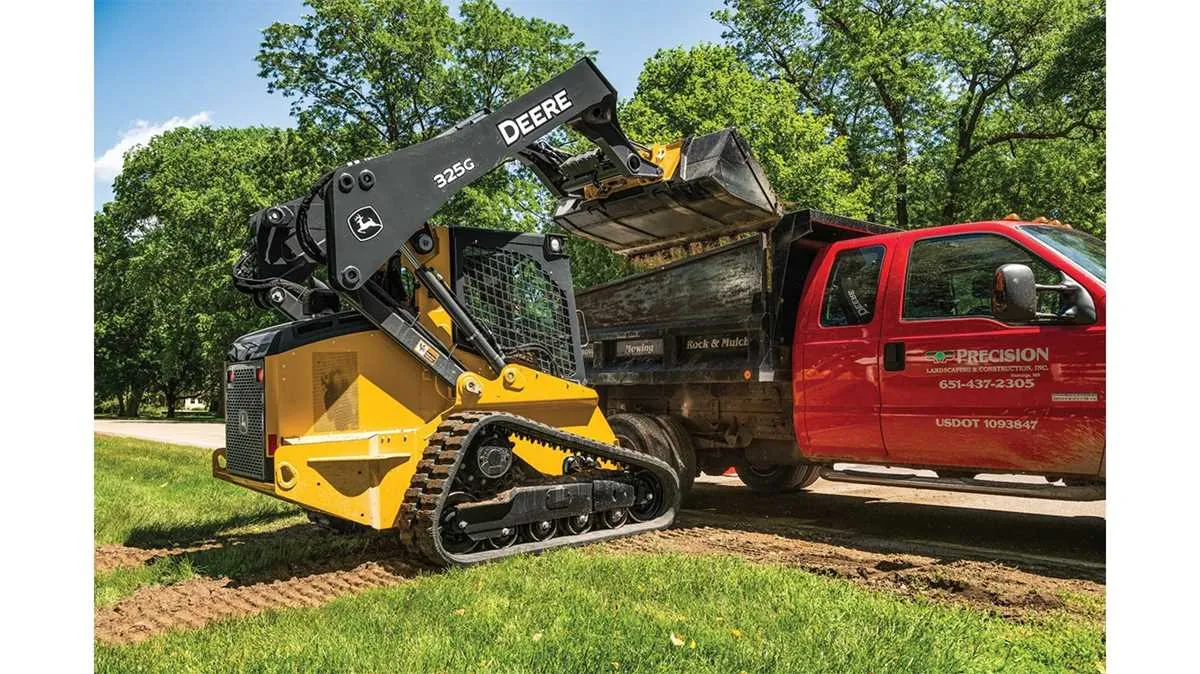
The 320 John Deere skid steer is designed for robust performance, but keeping it in optimal working condition requires regular maintenance. Schedule routine checks to ensure maximum reliability and longevity. Start by inspecting hydraulic systems every 250 hours. This includes checking for leaks, ensuring oil levels are adequate, and replacing the hydraulic oil filter to avoid wear on the components.
The engine should be serviced every 500 hours. Replace the engine oil and filter to prevent overheating and maintain efficiency. Check the air filter regularly, especially in dusty environments, as a clogged filter can significantly reduce engine performance. Replace it when necessary to avoid engine strain.
Track and tire maintenance plays a significant role in the machine’s durability. Inspect the tracks every 500 hours for wear and tear. In case of any visible damage or if they show signs of extreme wear, replace them promptly to avoid costly repairs. The tires should be checked for proper air pressure and tread wear, which can affect both performance and safety.
Battery health is another key factor. Clean battery terminals and check for corrosion. A weak or dead battery can halt operations unexpectedly. Inspect the charging system to ensure the battery is being properly charged to prevent unnecessary breakdowns.
For the machine’s structural durability, check the frame and undercarriage regularly for any cracks or damage that may compromise the skid steer’s strength. Lubricate the moving parts, including the boom and lift arms, to ensure smooth operation and reduce the risk of wear.
Lastly, make sure the cooling system is functioning properly by cleaning the radiator and checking coolant levels. Overheating can cause engine failure, so ensure that the system is free from debris and is running efficiently.
By staying proactive with maintenance, you can extend the lifespan of the 320 John Deere skid steer and minimize downtime, keeping your machine running at peak performance for years.