Comparing John Deere 50P and 50G Specifications
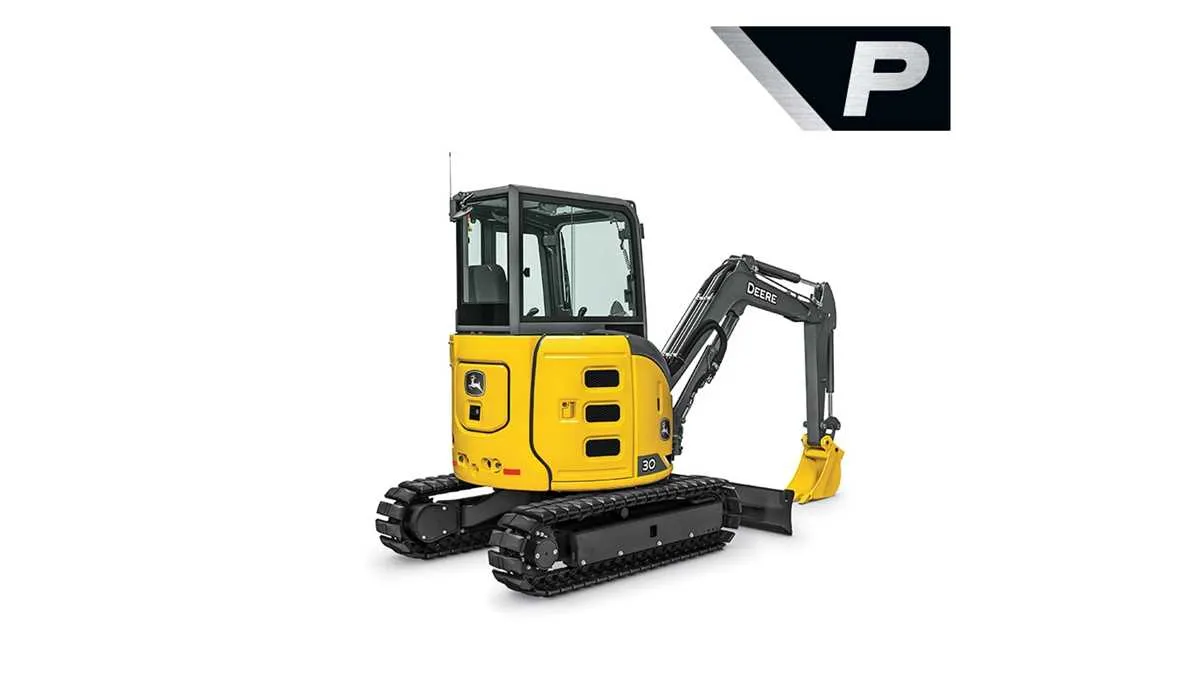
The John Deere 50P and John Deere 50G models stand out in the mini-excavator category, but understanding their differences can help determine which is the right fit for your needs. If you’re focused on compact size and maneuverability, the 50P excels in tight spaces, offering impressive power for its size. However, if you require additional lifting capacity and a more robust hydraulic system, the 50G is the better choice.
For operators prioritizing fuel efficiency and ease of transport, the 50P provides excellent value with its lightweight design. It’s particularly well-suited for smaller jobs or projects that require minimal ground disturbance. On the other hand, the 50G offers enhanced hydraulic capabilities, making it more suited for handling heavier loads and tougher work environments.
When deciding between the two, consider your specific project requirements. If you need a versatile, easy-to-maneuver machine with excellent performance in urban areas, the 50P is ideal. For construction sites requiring greater lifting power and superior digging capacity, the 50G proves to be the more capable machine.
John Deere 50P vs 50G Specs
The John Deere 50P and 50G share similar features, but each model has specific advantages that may suit different operational needs. The 50P is generally more compact, making it ideal for tight spaces and smaller tasks. The 50G offers more power and is better suited for heavier, more demanding projects.
Key differences between the two models include engine power, lifting capacity, and hydraulic efficiency. The 50P has a slightly smaller engine but is efficient for lighter workloads. On the other hand, the 50G is equipped with a more powerful engine, capable of handling larger loads and offering higher lifting capacities. Below are detailed specifications for both models.
- Engine Power:
- The 50P features a 50 HP engine.
- The 50G comes with a 60 HP engine, providing a higher torque output for demanding tasks.
- Hydraulic System:
- The 50P has a maximum hydraulic flow of 18 GPM.
- The 50G delivers 24 GPM, which supports faster lifting and more precise movements for heavy-duty work.
- Lifting Capacity:
- The 50P lifts up to 2,500 lbs.
- The 50G, with its stronger hydraulic system, lifts up to 3,000 lbs.
- Dimensions:
- The 50P is more compact, with a length of 10.5 ft and width of 5.5 ft.
- The 50G is slightly larger, measuring 11.2 ft in length and 5.9 ft in width.
When selecting between these models, consider the type of tasks you’ll be performing. The 50P is excellent for light to moderate workloads, while the 50G provides more power and versatility for more demanding operations.
Power and Engine Differences Between John Deere 50P and 50G
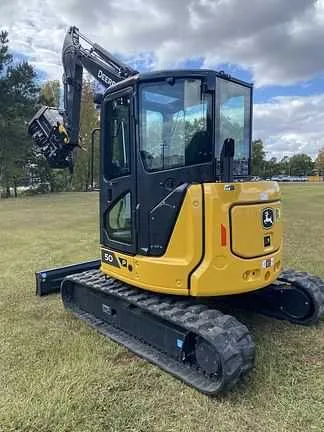
The John Deere 50P and 50G models offer distinct engine capabilities suited to different operational needs. The 50P is powered by a 48.8 horsepower engine, while the 50G comes with a slightly more robust 60 horsepower engine, providing greater lifting capacity and improved performance in heavy-duty tasks.
Both models feature a Yanmar 4TNV88 diesel engine, but the difference in horsepower directly affects fuel consumption and the overall machine performance. The 50P is designed for lighter to medium tasks, offering an efficient balance of power and economy. The 50G, with its higher engine output, is ideal for more demanding jobs, where additional lifting strength and speed are necessary.
The 50P’s engine runs at a rated speed of 2,200 RPM, providing a smooth operational experience for users focused on precision tasks. On the other hand, the 50G operates at 2,300 RPM, allowing for a higher torque output that enhances its ability to handle more intensive workloads.
In terms of maintenance, both models share similar service intervals and engine components, making it easier to manage long-term upkeep. However, users can expect slightly increased fuel consumption on the 50G due to its larger engine, which may be a consideration for cost-conscious operations.
Hydraulic System and Lifting Capacity Comparison
The John Deere 50P features a hydraulic system with a 12.5 GPM pump, allowing for efficient lifting with a maximum capacity of 2,500 pounds. It is designed for moderate tasks that require reliable but not extreme lifting power.
The 50G, however, comes with a more powerful 15 GPM hydraulic pump, offering a lifting capacity of 3,000 pounds. This gives the 50G a significant advantage in handling heavier loads, making it ideal for tougher applications and larger workloads.
For lifting height, the 50P reaches a maximum of 10 feet, while the 50G extends to 11 feet, providing greater reach for higher stacking and material handling tasks.
Choosing between these two models depends on your specific needs. The 50P is better suited for lighter duties, while the 50G is more appropriate for heavy-duty tasks that require higher lifting capacity and faster hydraulic operation.
Dimensions and Weight: Maneuverability and Transport
The John Deere 50P and 50G differ in size and weight, which directly affects their maneuverability and ease of transport. The 50P model, with its compact dimensions, is more suited for tight spaces and smaller work areas. Its smaller footprint allows it to be easily maneuvered in narrow environments, making it a great option for urban construction sites or landscaping tasks.
In contrast, the 50G’s larger size provides increased stability but reduces its agility in confined spaces. However, this model’s added weight improves its load capacity, offering more power for heavy-duty tasks. Transporting the 50G requires more planning due to its larger size and heavier weight. It may need a larger trailer and additional securing measures to ensure safe transport.
For frequent transport, the 50P’s lighter weight and compact size make it easier to load onto standard trailers without the need for specialized equipment. Conversely, the 50G may require more robust hauling solutions, particularly for long-distance transport, due to its increased weight and dimensions.
Consider your specific transport needs and workspace constraints when choosing between the two models. The 50P excels in environments where maneuverability and ease of transport are top priorities, while the 50G is a better choice for tasks that demand higher lifting capacity and stability, even at the cost of transport flexibility.