John Deere 235 Disc Specifications and Key Features
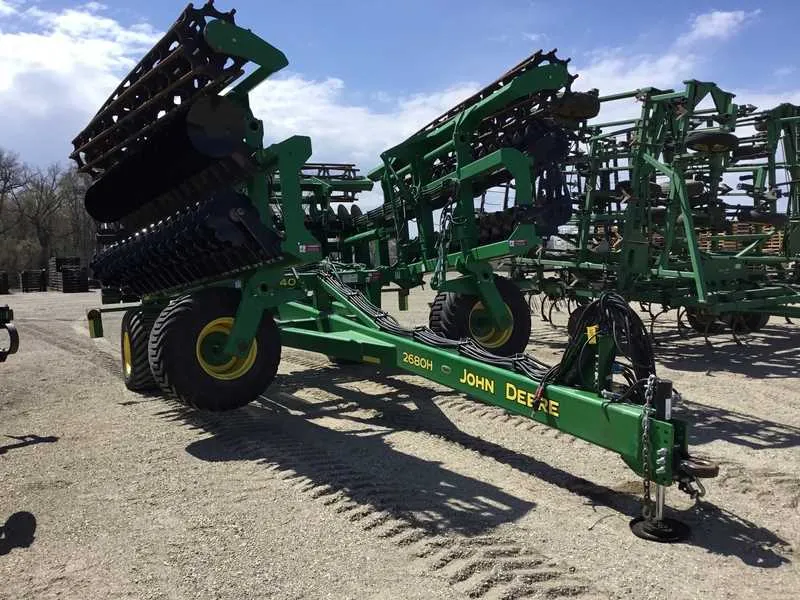
The John Deere 235 Disc is designed to tackle a variety of field conditions, offering precise and reliable performance. With its robust build and versatile disc adjustments, it ensures efficient soil preparation and enhanced field productivity.
We recommend considering the 235 Disc’s cutting width, which ranges from 12 to 22 feet, depending on your needs. Its 22-inch notched blades are built for durability and optimal cutting performance across different soil types.
The 235 Disc’s weight and configuration allow it to efficiently penetrate soil at varying depths, with adjustable gang angles ensuring that you can adapt to specific soil conditions. With 7 to 9 gangs depending on the model, this tool excels in both conventional and reduced-tillage farming practices.
For smoother operation and minimal downtime, the John Deere 235 is equipped with a heavy-duty frame and maintenance-friendly components. It offers ease of adjustment and flexibility, making it an ideal choice for large-scale agricultural operations.
John Deere 235 Disc Specs
The John Deere 235 Disc is designed for heavy-duty tillage operations. Its strong, durable build ensures smooth and efficient soil preparation. Below are key specifications that highlight its performance capabilities:
- Working Width: The 235 Disc offers a working width ranging from 12 to 30 feet, adaptable to various field sizes and soil conditions.
- Disc Blades: Equipped with 20 to 24-inch disc blades, providing excellent soil penetration and uniform mixing of soil and residue.
- Blade Spacing: Blade spacing ranges from 7.5 to 9 inches, ensuring optimal performance for both light and heavy soils.
- Weight: The John Deere 235 Disc weighs between 2,500 to 7,500 lbs, depending on the size and configuration, delivering robust performance under tough conditions.
- Frame: Built with a rugged frame structure to handle the toughest field conditions, ensuring long-lasting durability and reduced downtime.
- Adjustable Depth Control: The depth can be easily adjusted, providing flexibility in achieving the desired soil penetration, which is key for varying field conditions.
- Transport Width: The transport width is up to 12 feet, enabling easy movement on roads without requiring additional equipment.
The 235 Disc is highly efficient for primary and secondary tillage tasks, particularly in preparing soil for planting. Its adjustability and range of sizes make it suitable for various soil types and farming operations.
Understanding the Key Features of John Deere 235 Disc
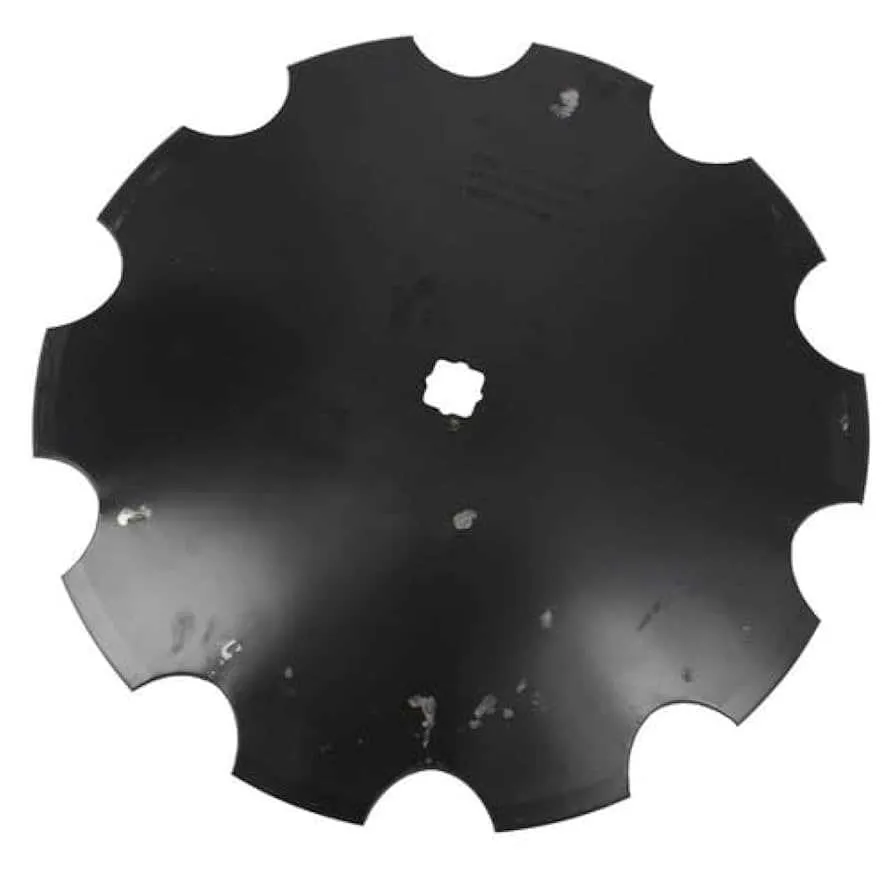
The John Deere 235 Disc is designed to provide precision and durability in heavy-duty agricultural tasks. The disc features adjustable depth settings that allow you to optimize soil tillage based on field conditions, ensuring effective soil disruption.
Its wide range of disc blade options allows operators to adapt to different soil types and cultivation needs. Whether you’re dealing with heavy, compacted soils or lighter, looser fields, the 235’s adjustable gangs ensure consistent performance across various terrains.
The robust frame and durable bearings extend the service life of the equipment, reducing the need for frequent maintenance. This allows farmers to focus more on their work and less on machinery downtime.
Additionally, the 235 Disc is equipped with a flexible hitch that enhances maneuverability. This design makes it easier to handle the implement in tight spaces and during transport, improving operational efficiency.
The hydraulic system on the 235 Disc provides smooth and precise adjustments to the working depth, ensuring accurate soil processing. These features collectively help optimize productivity and reduce wear and tear on the machine, making it a solid choice for high-performance farming operations.
Adjusting and Maintaining the John Deere 235 Disc for Optimal Performance
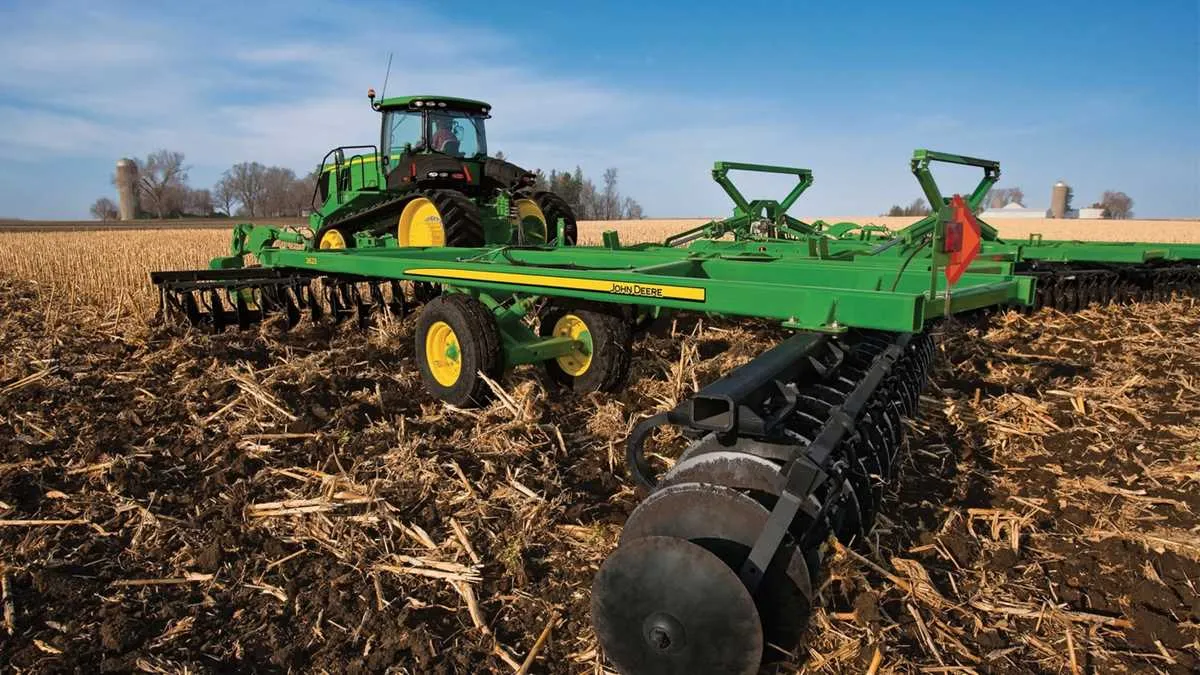
Adjust the disc depth to match soil conditions. The John Deere 235 allows for precise depth adjustments through its hydraulic system. Use the depth control lever to set the desired working depth, typically between 4 to 7 inches. Ensure the discs cut evenly into the soil for optimal performance.
Regularly inspect the disc blades for wear. The cutting edges should be sharp and free from cracks. If the blades show significant wear, replace them to maintain consistent soil penetration. This will ensure a uniform seedbed and reduce the risk of uneven soil compaction.
Check and adjust the gang angle to improve soil tilth and residue management. The John Deere 235 features adjustable gang angles that control how the discs interact with the soil. Set the gang angle between 10 to 15 degrees depending on soil texture and field conditions.
Lubricate the bearings and hubs at regular intervals to avoid friction and premature wear. Follow the manufacturer’s guidelines for the recommended grease and lubrication schedule. Inspect the hubs and bearings for signs of damage or excessive wear and replace them as needed to prevent downtime.
Inspect the frame and hitch for any signs of damage or loose components. Tighten all fasteners and bolts to ensure structural integrity during operation. This will also reduce the risk of vibration and increase the overall lifespan of the equipment.
Clean the discs after each use to remove soil and residue buildup. Accumulation of dirt and debris can lead to clogging and reduced efficiency. Use a pressure washer or a stiff brush to clean the disc blades and other components, ensuring they remain free from obstruction.
Monitor tire pressure regularly. Correct tire pressure ensures the proper weight distribution across the discs, improving overall functionality and minimizing soil compaction. Adjust the tire pressure based on field conditions and equipment load.
How to Choose the Right John Deere 235 Disc Model for Your Farming Needs
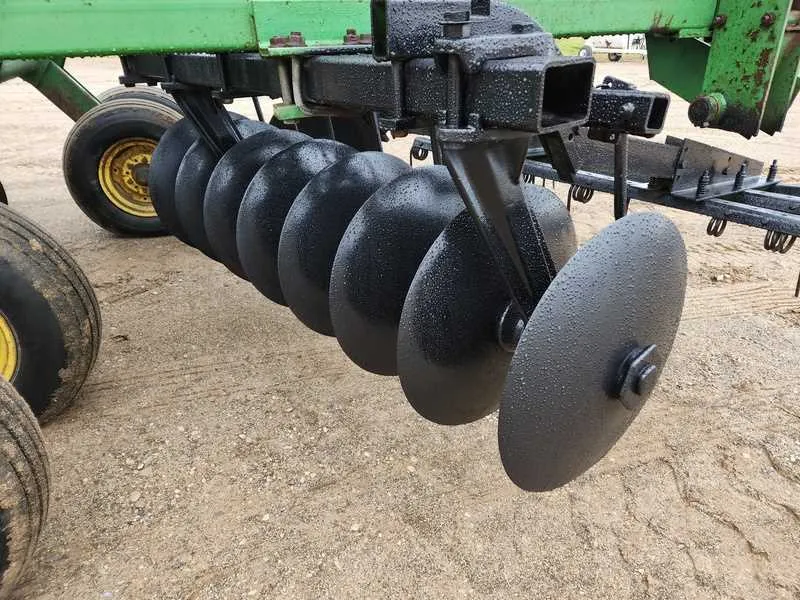
Consider your field size and terrain before choosing a John Deere 235 Disc model. If you’re working on larger fields with heavy soil, opt for a model with a wider cutting width and a heavier frame to ensure durability and efficient tilling. For smaller fields or lighter soil, a more compact model might be sufficient.
Pay attention to the disc configuration as well. Choose a model with a disc spacing that matches your crop and soil type. Tighter spacing works well for breaking up clods in compacted soils, while wider spacing is better for lighter, looser soil. The number of discs should align with your desired depth and tilling intensity.
Ensure that the model you select is compatible with your tractor’s horsepower and hitch. If the disc is too heavy or requires more power than your tractor can provide, you may experience reduced performance. Look for a model that balances power requirements with your tractor’s capabilities.
Also, consider the maintenance and ease of adjustment features. Models with easy-to-access grease points and adjustable settings will save you time and effort in the long run. Look for user-friendly controls that allow you to make quick adjustments based on soil conditions.
Finally, evaluate the cost versus benefits for your farm’s budget. While higher-end models may offer more features and durability, make sure the added cost aligns with your farming needs and operational demands.