2012 John Deere 310J Specifications and Key Features
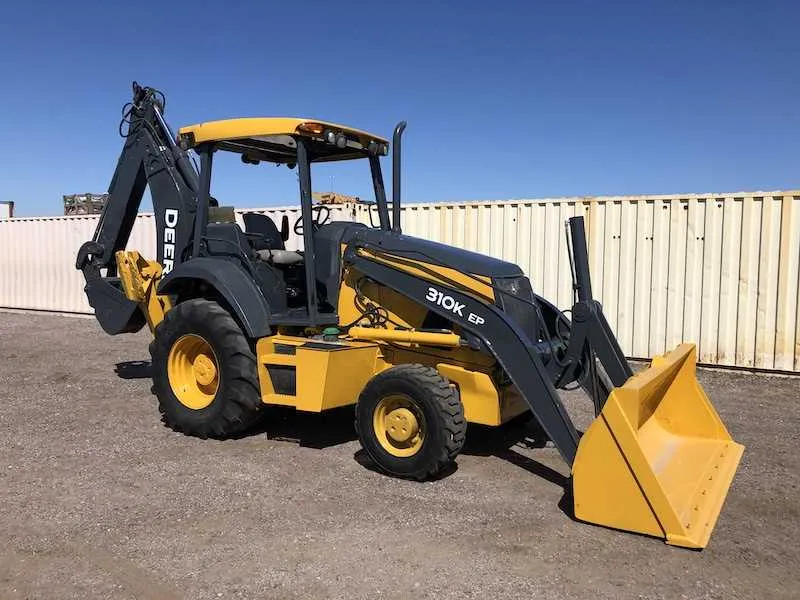
The 2012 John Deere 310J offers a versatile solution for construction and landscaping tasks. With a 92-horsepower engine, the 310J is engineered for efficient performance in demanding environments. Its operating weight of approximately 16,000 pounds ensures stability and durability, making it a reliable choice for both excavation and loader work.
For digging operations, the backhoe features a maximum dig depth of 14 feet, 5 inches. This depth provides operators with the flexibility needed to tackle a variety of projects, from trenching to foundation work. The machine’s boom and stick design contribute to precise control and efficient material handling.
The front loader, with a bucket capacity of 1.0 cubic yards, allows for optimal material movement. Equipped with a quick-coupler system, it enables rapid attachment changes, increasing productivity on-site. Whether lifting, loading, or transporting materials, the 310J’s loader excels in both performance and versatility.
2012 John Deere 310J Specs
The 2012 John Deere 310J is equipped with a powerful 92-horsepower, 4.5-liter turbocharged engine. This machine offers impressive digging and lifting capacities, with a backhoe that reaches a maximum digging depth of 14 feet 4 inches. The loader’s lift capacity stands at 2,400 pounds, making it ideal for a variety of construction tasks.
The 310J’s hydraulic system operates at 3,000 psi, providing optimal performance for demanding tasks. With a dig force of 10,000 pounds, the backhoe is capable of handling tough digging conditions. The loader’s bucket can hold up to 1 cubic yard of material, enhancing productivity for tasks like material handling and grading.
For maneuverability, the 310J features a tight turning radius of 16 feet, making it suitable for working in confined spaces. The machine’s operating weight is 16,000 pounds, providing stability while still being lightweight enough for transport. The 4-wheel drive system ensures traction on various terrains, improving performance in challenging environments.
Engine Performance and Specifications of the 2012 John Deere 310J
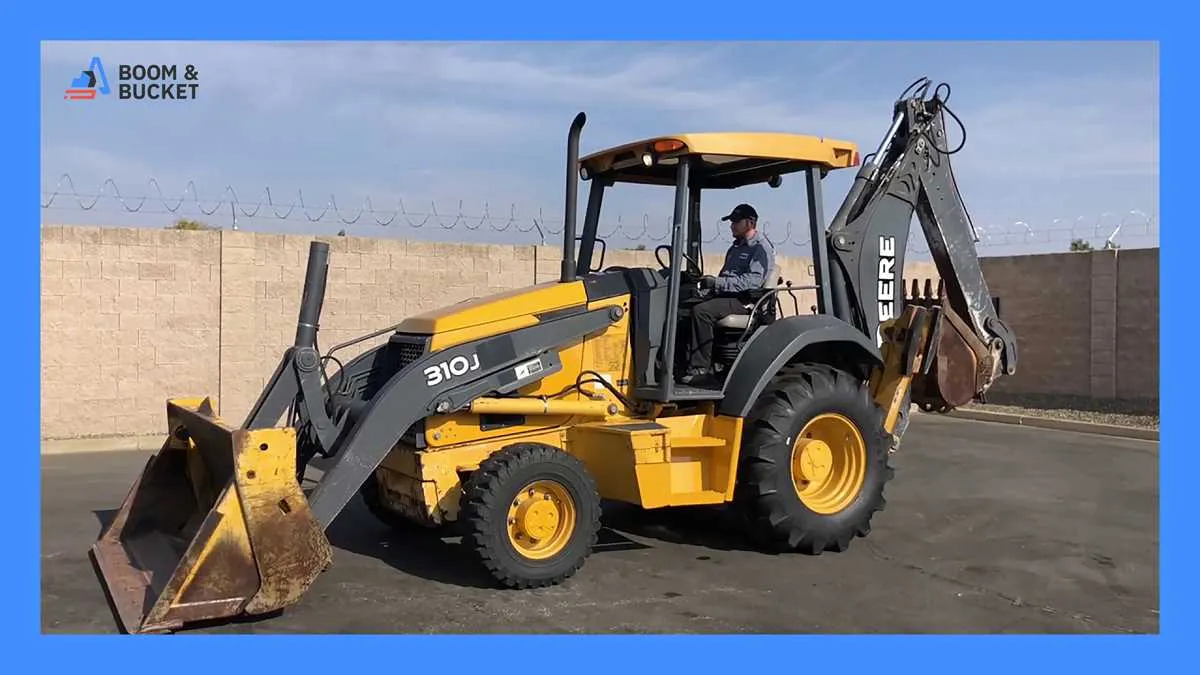
The 2012 John Deere 310J is equipped with a robust engine that delivers solid performance for various tasks. Powered by a 4.5L turbocharged diesel engine, it offers a dependable output of 93 horsepower (69 kW) at 2,200 RPM, ensuring effective operation under heavy load conditions.
This engine is coupled with a hydraulically driven fan and a direct fuel injection system, optimizing fuel efficiency while maintaining powerful performance. The engine’s torque is rated at 321 lb-ft (435 Nm), providing ample low-end power for digging, lifting, and other demanding tasks.
The 310J’s engine operates efficiently, thanks to its high-efficiency radiator that helps maintain optimal operating temperatures. This results in better performance in extended, intensive usage, reducing the risk of overheating and ensuring consistent power delivery throughout the day.
In terms of maintenance, the engine is designed for ease of access, reducing downtime and service costs. Key components such as the fuel filter, air filter, and oil filter are easily reachable for routine checks and replacements, ensuring smooth operation with minimal interruptions.
With a fuel tank capacity of 87.3 liters (23.1 US gallons), the 310J allows for long hours of work between refueling, enhancing productivity in remote job sites where frequent fuel stops would be impractical.
- Engine Model: John Deere 4045HTJ02
- Engine Type: 4.5L turbocharged diesel, 4 cylinders
- Horsepower: 93 HP (69 kW) @ 2,200 RPM
- Torque: 321 lb-ft (435 Nm)
- Fuel Tank Capacity: 87.3 liters (23.1 US gallons)
- Cooling System: Efficient, high-capacity radiator
- Fuel Efficiency: Optimized for reduced consumption
Hydraulic System Capacity and Operation of the 2012 John Deere 310J
The 2012 John Deere 310J is equipped with a robust hydraulic system designed to handle demanding tasks. The system features a hydraulic pump with a flow capacity of 29.9 gpm (113 l/min), providing ample power for digging, lifting, and other operations. The system operates with a pressure rating of 3,000 psi (20,684 kPa), ensuring efficient performance even under heavy load conditions.
The hydraulic fluid reservoir has a capacity of 27.1 gallons (102.5 liters), which supports extended work cycles without the need for frequent refills. Regular maintenance of the hydraulic fluid is crucial to ensure the smooth operation and longevity of the system. Always monitor the fluid levels and check for contaminants to prevent potential damage to the hydraulic components.
For optimal performance, ensure that the hydraulic filters are replaced as recommended in the service schedule. Dirty filters can reduce the system’s efficiency and lead to premature wear of hydraulic components. The 310J’s hydraulic system also incorporates a standard auxiliary hydraulic circuit, allowing operators to connect various attachments, enhancing the versatility of the machine.
In terms of operation, the hydraulic system responds quickly to operator inputs, allowing for precise control when using the backhoe or loader. The system is designed to provide smooth, consistent flow, even when the machine is under stress. This is particularly important for maintaining control in complex digging and lifting tasks.
Proper operation and maintenance of the hydraulic system ensure that the 2012 John Deere 310J continues to perform at its best, improving productivity and reducing downtime. Always follow manufacturer recommendations for hydraulic fluid and filter changes to keep the system running smoothly.
Dimensions and Weight Details for Transporting the 2012 John Deere 310J
The 2012 John Deere 310J has a transportable length of 22.6 feet (6.9 meters), a width of 7.5 feet (2.3 meters), and a height of 11.5 feet (3.5 meters) with the loader raised. These measurements ensure the machine fits within standard transport limits, but verify local regulations before transportation.
The operating weight of the 310J is approximately 16,000 pounds (7,257 kg), with the transport weight varying depending on attachments and configuration. Make sure to account for any additional equipment that could affect the total weight.
For safe transportation, ensure the total width does not exceed 8.5 feet (2.6 meters), the typical limit for highway travel without special permits. When loading, always balance the machine properly on the transport platform, with the bucket positioned securely to avoid shifting during transit.
Consider the necessary clearance and ensure the transport vehicle can handle the weight, especially if towing with a smaller vehicle. It is advisable to use a heavy-duty trailer with appropriate axles to distribute the load evenly.