John Deere 180G Excavator Specifications and Features Overview
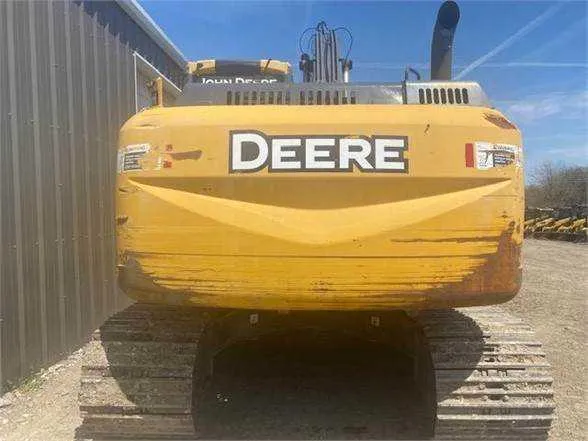
The John Deere 180G excavator is built for high-performance tasks that demand precision and power. This model stands out for its impressive hydraulics and excellent fuel efficiency, offering a reliable solution for construction, excavation, and demolition jobs. With a net engine power of 129 kW (173 hp), it provides plenty of muscle to handle demanding projects.
One of the key features of the 180G is its hydraulic system. Equipped with a variable displacement pump, it maximizes flow and pressure for smooth and fast cycle times. The machine’s digging depth reaches up to 6.61 meters, ensuring you can tackle even the toughest ground conditions with ease. The boom and arm design enhances the machine’s stability while providing optimal reach and lifting capability.
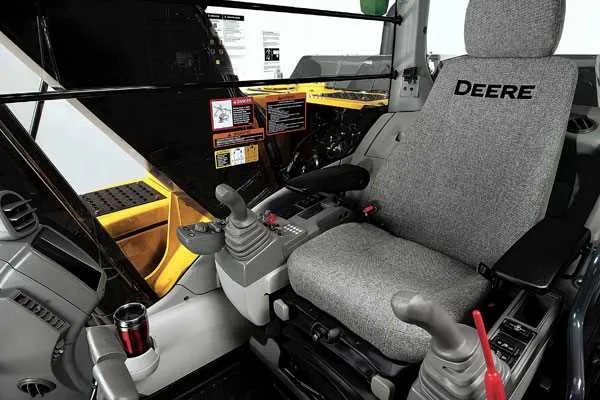
The cab is designed for operator comfort, with low noise levels and improved visibility, making long shifts more manageable. The machine also comes with a Grade Control system, ensuring greater accuracy in grading applications. These features are backed by John Deere’s commitment to easy maintenance, with convenient access to all key components for reduced downtime and increased productivity.
John Deere 180G Excavator Specs
The John Deere 180G Excavator is equipped with a powerful engine and impressive hydraulic capabilities. Its diesel engine delivers 168 horsepower (125 kW), making it ideal for heavy-duty tasks in various industries like construction and demolition.
It has an operating weight of around 18,000 kg (39,683 lbs), providing stability while ensuring maneuverability on uneven terrain. The maximum digging depth reaches 5.88 meters (19 feet 3 inches), allowing operators to handle deep excavation tasks with ease.
With a maximum reach of 8.86 meters (29 feet 1 inch), the 180G excels in tasks that require extended reach. The machine’s hydraulics are optimized to lift up to 2,740 kg (6,039 lbs) at full extension, making it highly versatile for various lifting and digging requirements.
For enhanced operator comfort, the 180G features a spacious cabin with ergonomic controls, reduced noise levels, and excellent visibility. The hydraulic system includes a variable-displacement pump for greater fuel efficiency and responsive operations.
With a fuel tank capacity of 330 liters (87 gallons), the 180G is built to handle long work hours, reducing the need for frequent refueling. Its travel speed can reach up to 5.4 km/h (3.4 mph), providing swift movement across the job site.
The John Deere 180G Excavator is also equipped with advanced diagnostics that help monitor machine health and performance, allowing for easier maintenance and increased uptime. Whether you are digging, lifting, or grading, the 180G delivers the power and precision needed to get the job done.
Key Engine Specifications and Performance Data
The John Deere 180G excavator features a robust engine that guarantees high performance in various work conditions. The engine is a 4.5L, 4-cylinder, turbocharged diesel unit, providing reliable power and efficiency.
- Engine Power: The engine generates 158 horsepower (118 kW), which ensures optimal digging, lifting, and loading capabilities.
- Torque: It delivers a peak torque of 554 Nm at 1,500 RPM, allowing the excavator to handle tough tasks with ease.
- Fuel Efficiency: The 180G’s fuel-efficient engine ensures longer working hours with fewer refueling stops, increasing productivity on-site.
- Hydraulic Flow: The hydraulic system provides a flow rate of 305 L/min, allowing for smooth, precise operation of attachments and increased cycle times.
- Engine Type: The diesel engine meets Tier 4 Final emissions standards, balancing performance and environmental responsibility.
Whether working in tight spaces or performing heavy-duty tasks, the engine delivers the power needed for consistent performance across a wide range of applications.
Hydraulic System and Digging Capabilities of the John Deere 180G
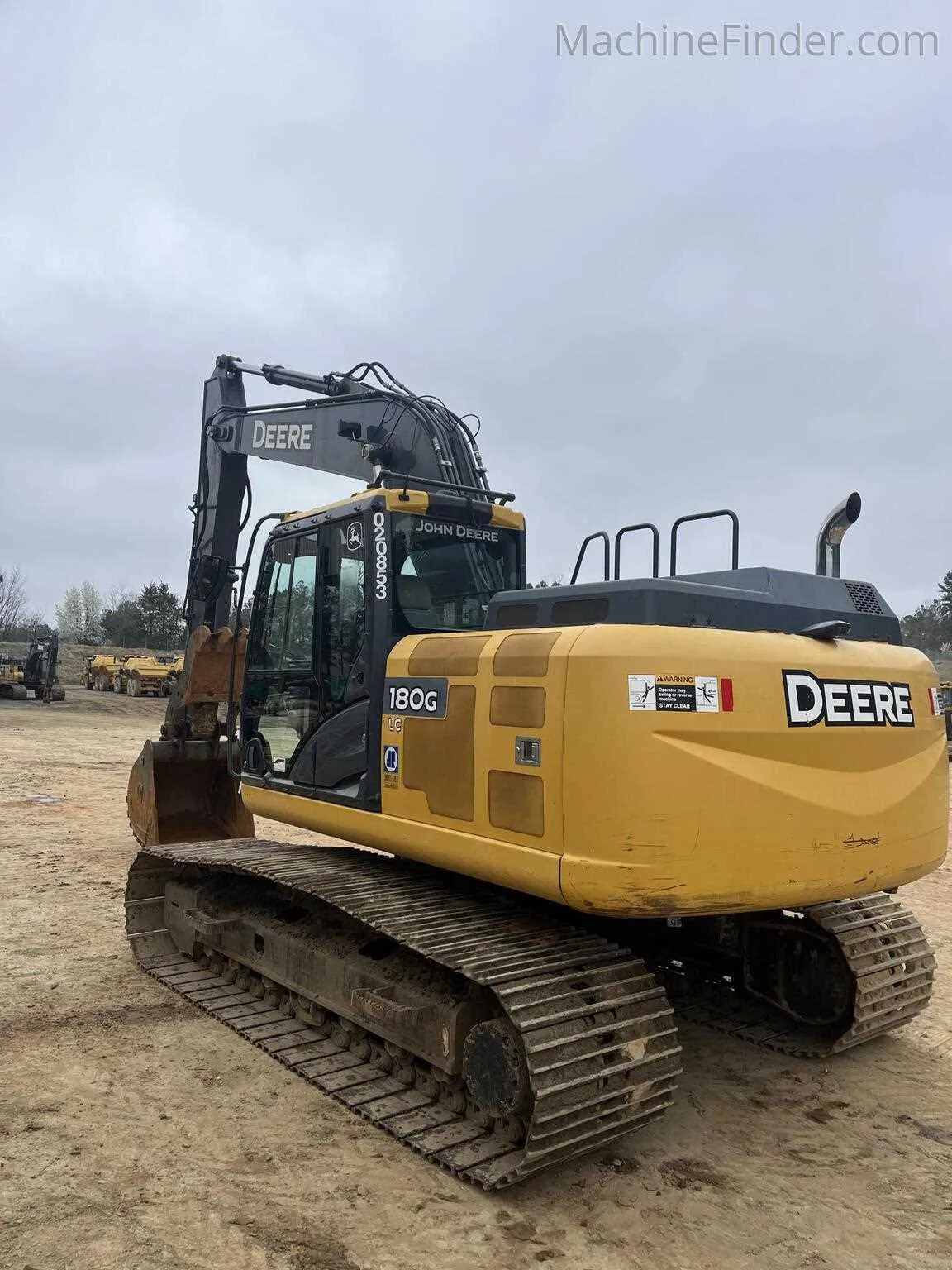
The John Deere 180G offers a powerful hydraulic system designed to maximize performance during digging and lifting tasks. With a maximum hydraulic flow of up to 380 liters per minute (100 gallons per minute), the excavator’s system provides fast and reliable operation. Its dual-pump design ensures efficient power distribution, allowing for smooth and precise control even in demanding applications.
The digging force of the John Deere 180G is driven by its robust hydraulic components. The maximum bucket digging force reaches 10,249 kg (22,600 lbs), while the arm digging force stands at 6,334 kg (13,975 lbs). These impressive figures allow the excavator to easily handle tough materials like clay, dense soil, and rock formations. With a reach of 7.8 meters (25.6 feet) and a digging depth of 5.5 meters (18 feet), the machine excels at deep and extended digging tasks.
Precision and flexibility are enhanced by the advanced hydraulic controls. The John Deere 180G features a load-sensing hydraulic system, which adjusts the flow of fluid based on the workload. This results in consistent power delivery and reduces fuel consumption, optimizing performance during long shifts.
The hydraulic system’s design incorporates robust filters and an advanced cooling system to prevent overheating during continuous operation, ensuring longevity and minimal maintenance needs. The operator can rely on consistent performance, even in high-intensity applications like trenching and large-scale excavation projects.
In conclusion, the hydraulic system of the John Deere 180G is built to handle demanding jobs while providing excellent control, strength, and efficiency. Whether for construction, demolition, or landscaping, this excavator’s digging capabilities stand out in its class.
Dimensions and Transport Considerations for the 180G Excavator
Before transporting the John Deere 180G excavator, verify the machine’s dimensions to ensure it fits within transport limits. The overall length is approximately 27.7 feet (8.43 meters), and the width with standard tracks is around 8.6 feet (2.62 meters). The height of the machine is 10.9 feet (3.32 meters), making it suitable for standard transport without disassembly in most cases.
Take note of the operating weight of the 180G, which ranges from 39,000 to 43,000 pounds (17,690 to 19,500 kg), depending on the configuration. This weight influences both the transport method and the required equipment, such as a low-boy trailer with a sufficient load capacity. Always check axle load limits when arranging transport to avoid any legal or regulatory issues during transit.
For wide loads, the 180G may require additional permits, especially if traveling through narrow or urban areas. Depending on local regulations, escorts may also be needed for oversized transport. Plan the route to accommodate the height and width, especially when passing under bridges or through tunnels.
When loading and unloading, ensure the ground is stable and level. Using ramps with proper incline angles helps prevent damage to the excavator’s undercarriage. Verify that the transport vehicle is equipped with sufficient tie-downs to secure the excavator during transit.
For international shipments, disassemble components like the boom and bucket if necessary to comply with shipping container size restrictions and reduce overall dimensions. Always double-check the specific transport regulations of the destination country before shipping.