John Deere 26G Specifications and Key Features Overview
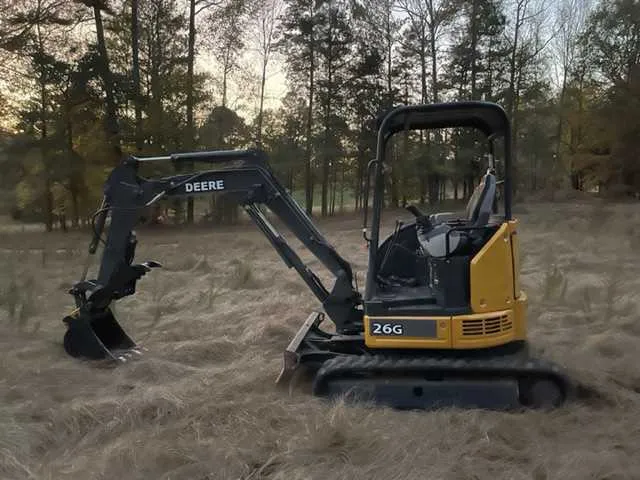
The John Deere 26G compact excavator delivers high performance for tough tasks in limited spaces. With a strong focus on versatility, it boasts a powerful 24.8 horsepower engine, ensuring efficient operation. The machine’s hydraulic system is optimized for both speed and force, handling a wide range of attachments without compromise.
Operating weight of 2,607 kg ensures stability while maneuvering in narrow areas. The minimal tail swing provides enhanced visibility, reducing the risk of accidents in crowded work zones. The 26G’s track width adjusts from 1,340 mm to 1,800 mm, allowing for better traction in different terrains.
For added comfort and productivity, the cabin is designed with easy access controls and spacious seating. Users benefit from a well-thought-out layout that reduces operator fatigue during extended use. Maintenance is simplified with easily accessible engine compartments and quick-connect grease fittings, reducing downtime.
John Deere 26G Spec Sheet
The John Deere 26G compact excavator is designed for tight spaces and demanding work environments. With a focus on productivity and ease of use, this machine provides reliable performance for various applications. Below are key specifications and features:
- Engine Power: 24.8 hp (18.5 kW) at 2,400 rpm
- Operating Weight: 2,620 kg (5,780 lbs)
- Max Digging Depth: 2,450 mm (8 ft 1 in)
- Max Reach at Ground Level: 4,080 mm (13 ft 5 in)
- Bucket Force: 19.3 kN (4,340 lbf)
- Arm Force: 12.4 kN (2,790 lbf)
- Transport Length: 4,570 mm (15 ft 0 in)
- Transport Width: 1,500 mm (4 ft 11 in)
- Track Width: 450 mm (17.7 in)
- Fuel Capacity: 38.3 L (10.1 gal)
For optimal performance, ensure the machine is used within the recommended operating conditions. Periodic maintenance, including hydraulic system checks and engine oil changes, will extend the life of the equipment and maintain its high productivity. The 26G’s compact size allows for easy transport, and its powerful digging capabilities ensure it handles demanding tasks with ease.
Operators should also be aware of the machine’s travel speeds: 2.7 km/h (1.7 mph) for low range and 4.6 km/h (2.9 mph) for high range. This makes it suitable for a wide range of construction and landscaping projects, providing mobility without sacrificing performance.
Engine and Performance Specifications for the John Deere 26G
The John Deere 26G is powered by a 1.8L 4-cylinder diesel engine that delivers 24.8 horsepower, ensuring solid performance for tough excavation tasks. This engine provides the machine with ample power to operate in a variety of work conditions while maintaining fuel efficiency.
With a maximum operating weight of 2,620 kg (5,780 lbs), the 26G offers a balance between maneuverability and stability. Its operating capacity, combined with advanced hydraulic performance, enables the machine to handle a wide range of attachments and digging tasks effectively.
The hydrostatic transmission system offers smooth control and adaptability to different speeds, allowing for efficient handling of materials. A maximum digging depth of 2.49 meters (8 feet 2 inches) and a maximum reach of 4.1 meters (13 feet 5 inches) makes it suitable for both shallow and deep excavations.
Fuel efficiency is another key advantage of the 26G, with a fuel tank capacity of 24.3 liters (6.4 gallons), providing extended operation times on a single tank. This allows operators to focus on their work without constant refueling.
Overall, the engine and performance specifications of the John Deere 26G make it a reliable choice for construction, landscaping, and utility work, offering a balance of power, fuel efficiency, and maneuverability.
Hydraulic System Details and Capabilities of the John Deere 26G
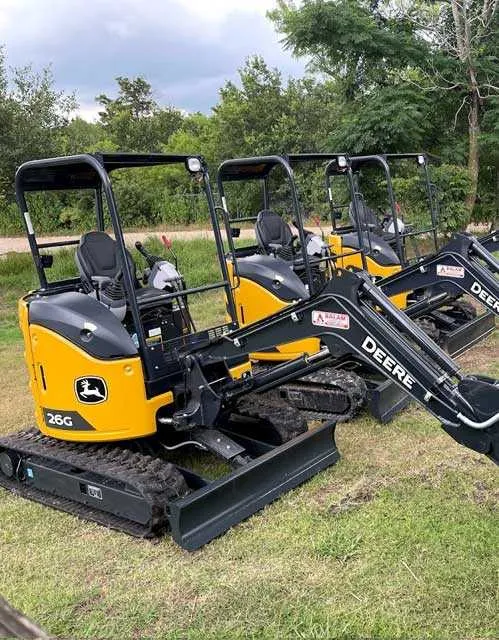
The John Deere 26G’s hydraulic system operates with a high-flow, load-sensing pump that delivers consistent power across various tasks. It offers 16.4 gpm (62.1 L/min) of hydraulic flow, ensuring precise control and responsiveness for attachments. This design allows for smoother and more controlled operation, especially when performing tasks like digging or lifting.
Key to the system’s performance is the high-efficiency, gear-driven pump, which optimizes fuel usage while maintaining power. With a hydraulic pressure of 3,150 psi (217 bar), the system supports a wide range of attachments, from buckets to augers, with reliable force.
The hydraulic oil reservoir holds 6.3 gallons (23.8 L), and the filtration system ensures long-term durability by maintaining clean oil, reducing wear on the system components. The hydraulic lines are reinforced to withstand harsh environments, minimizing downtime due to leaks or damage.
When utilizing attachments, the hydraulic system of the 26G provides rapid cycle times, making it highly effective in demanding work conditions. For example, the boom lift height can be adjusted smoothly due to the precise hydraulic pressure control, allowing for more versatile operation in tight spaces.
For maintenance, regularly checking the hydraulic fluid and inspecting for leaks will ensure optimal performance and extend the life of the hydraulic system. The easy-to-access filters make routine servicing straightforward, keeping the system in peak condition for consistent power delivery.
Maintenance and Service Recommendations for Optimal Use of the John Deere 26G
To keep the John Deere 26G performing at its best, regularly inspect and service the hydraulic system. Check the hydraulic fluid levels every 50 operating hours and replace the fluid after every 1,000 hours of use. Always use recommended hydraulic oil to avoid damage to system components.
For the engine, replace the oil and filter every 250 hours. Regularly check the air filter and clean or replace it if it appears clogged. A clean air filter improves engine performance and reduces fuel consumption. Also, inspect the fuel lines and ensure there are no leaks or cracks.
Grease all pivot points, undercarriage, and boom components every 50 hours or as needed, especially when operating in dusty or wet conditions. Use John Deere-approved grease to prevent wear and corrosion. Regular lubrication reduces friction, extending component lifespan.
Monitor the tracks for wear. Keep them properly tensioned, adjusting the track tension every 500 hours. Inspect the undercarriage regularly for any signs of damage or excessive wear. Replacing worn components promptly reduces the risk of more extensive repairs.
Clean the cooling system and air intake regularly to prevent overheating. Remove debris from the radiator and cooling fins to ensure proper airflow. If operating in extreme environments, inspect the system more frequently.
Check the battery and electrical system at regular intervals. Ensure the battery is securely fastened and the terminals are clean. If the battery charge is low or the terminals show corrosion, replace the battery or clean the connections to maintain system reliability.
Inspect the tracks and drive system for proper function. Pay attention to noise or vibration that could indicate a problem. Regularly check the final drive, steering, and drive belts for wear and replace them if necessary.