John Deere R4038 Sprayer Specifications and Key Features
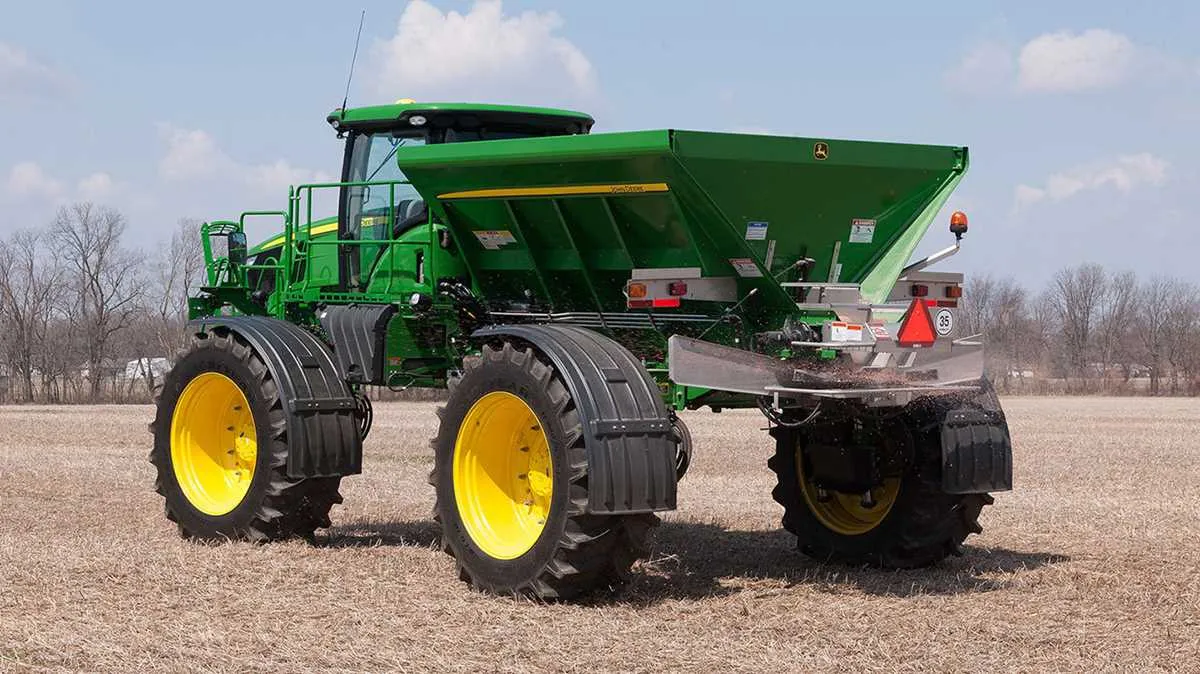
The John Deere R4038 sprayer is designed for high-performance crop care, offering precision application and a range of advanced features that help optimize your farming operations. Its 120-foot boom ensures wide coverage, making it ideal for large-scale operations. With a 3,800-liter tank capacity, it can handle significant workloads, reducing the need for frequent refills during spraying sessions.
Powered by a 275-horsepower engine, the R4038 provides the necessary strength to tackle various terrains and challenging field conditions. The CommandCenter™ display gives operators complete control over machine settings, including speed, spray rate, and pressure. The AutoTrac™ guidance system enhances accuracy and minimizes overlap, cutting down on input costs and improving overall application efficiency.
The R4038 also boasts high-tech features like the ExactApply™ nozzle system, which ensures consistent droplet size and uniform coverage. The sprayer’s ability to adjust spray rates based on field conditions allows for precise application of chemicals, reducing waste and increasing crop protection. Additionally, its integrated suspension system ensures a smooth ride, even on uneven ground, which helps maintain optimal spraying performance.
With these specs and features, the John Deere R4038 is built to meet the needs of modern farming, providing speed, precision, and reliability across a range of applications.
John Deere R4038 Sprayer Specs

The John Deere R4038 sprayer stands out with its impressive performance and capabilities. It’s designed to meet the demands of large-scale farming, offering high productivity and precision. Here’s a detailed breakdown of the key specs:
- Engine: Powered by a 6.8L, 6-cylinder engine that delivers up to 280 horsepower, providing ample power for both field work and transport.
- Boom Width: The R4038 comes with an adjustable boom ranging from 90 to 120 feet, allowing for customizable coverage based on field conditions and crop type.
- Sprayer Tank Capacity: It features a 1,200-gallon tank, enabling operators to cover large areas without constant refills.
- Hydraulics: Equipped with a 2,200 PSI hydraulic system, offering precise control over boom height and pressure adjustments for different spraying conditions.
- Spray System: The sprayer includes John Deere’s ExactApply system, which ensures uniform spray application by adjusting nozzle flow based on speed and terrain.
- Autonomy: Integrated with AutoTrac guidance technology, the R4038 minimizes overlap and optimizes field efficiency, reducing input costs and increasing yield potential.
- Transmission: The R4038 features a hydrostatic transmission, offering smooth speed control and excellent maneuverability in challenging terrain.
- Ground Clearance: With a 56-inch clearance, this sprayer ensures easy navigation over uneven terrain and taller crops without damaging them.
- Weight: Weighing approximately 25,000 lbs, the R4038 strikes a balance between durability and maneuverability in the field.
- Cab Features: The CommandCenter display provides full control over all machine settings, while the AirRide seat ensures comfort during long hours of operation.
The John Deere R4038 is engineered to increase productivity with robust features, from its large capacity tank to advanced spraying systems. It’s built for farmers who need efficiency and accuracy with every pass across the field.
Key Engine and Performance Details of the John Deere R4038 Sprayer
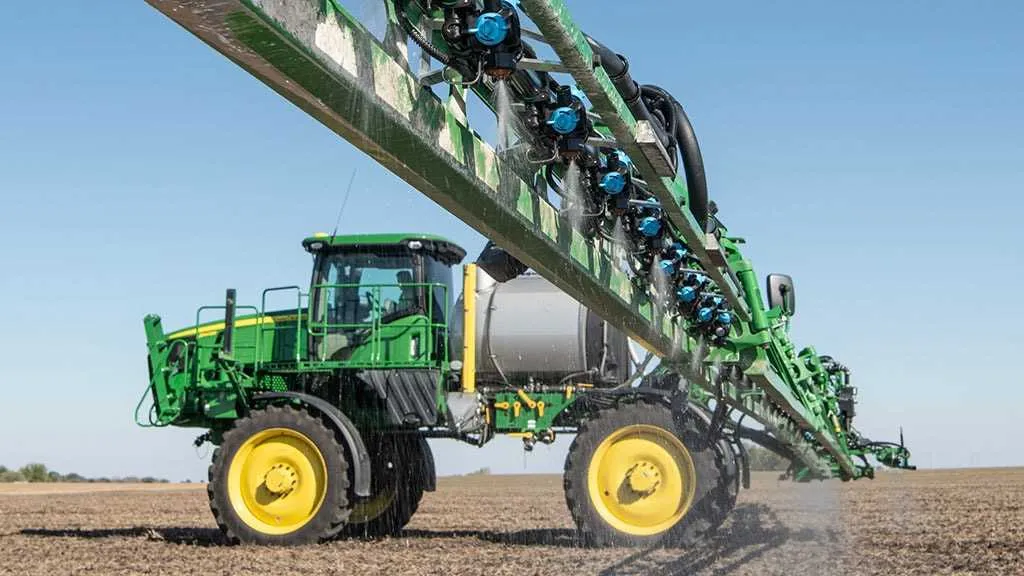
The John Deere R4038 sprayer offers a powerful 6.8L PowerTech™ PSS 6-cylinder engine, delivering 280 horsepower. This engine is designed for maximum performance in the field, allowing operators to cover more ground quickly without compromising on fuel efficiency. With a maximum torque of 1,013 Nm at 1,500 rpm, the R4038 can easily handle heavy-duty spraying operations even in challenging conditions.
Equipped with a continuously variable transmission (CVT), the sprayer provides smooth acceleration and deceleration, giving operators precise control over speed, whether in the field or on transport routes. The hydrostatic drive system allows for easy adjustment of speed and power to match the terrain and application needs. This level of control enhances overall productivity, especially in large-scale operations.
The 320L/min hydraulic system ensures fast and responsive operation of the spray booms, providing uniform spray coverage at varying speeds. The large-capacity pump also reduces downtime by allowing for quick refills, helping the operator keep working without unnecessary interruptions. Additionally, the sprayer’s engine is designed to optimize fuel consumption, offering long working hours without the need for frequent refueling.
Advanced diagnostics are integrated into the John Deere R4038, giving real-time feedback on engine performance and efficiency. This feature not only aids in early detection of potential issues but also ensures that maintenance is carried out proactively, reducing the risk of costly downtime during critical spraying periods.
The combination of a high-performance engine, reliable transmission, and advanced hydraulics makes the R4038 sprayer an excellent choice for operators looking to maximize productivity and reduce operational costs while maintaining top-tier spraying precision.
How to Maximize the Tank Capacity and Application Rate of the John Deere R4038 Sprayer
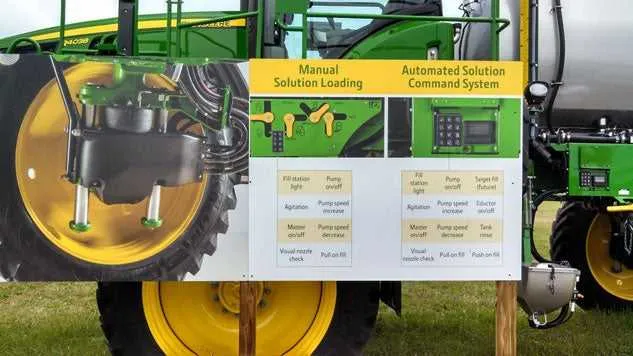
To optimize tank capacity and application rate on the John Deere R4038 sprayer, adjust your sprayer settings based on crop type, field conditions, and target application rate. Begin by configuring the correct nozzle sizes and spray pressure settings that align with your target flow rate. Ensure that the tank is filled to the maximum capacity but avoid overfilling, which may compromise the sprayer’s balance and performance.
Set the application rate to match the desired coverage per hectare or acre. The R4038’s rate can be controlled precisely through the ISOBUS system, allowing for automatic adjustments based on speed, pressure, and GPS location. This ensures uniform application across the field, even on undulating terrain.
Maximizing the tank’s efficiency also means considering how much product is being applied at any given time. The sprayer features a fully automated rinse system, reducing downtime between fills. It’s crucial to monitor the fill levels during operation to avoid running dry or overfilling, both of which can waste resources and reduce field time.
Utilizing the variable rate technology (VRT) ensures that you are using the appropriate amount of product for each specific area of the field, optimizing chemical use and minimizing waste. Pairing VRT with accurate GPS mapping helps to control both the tank capacity and application rate dynamically as conditions change.
For a better outcome, keep an eye on the sprayer’s flow meters to ensure consistent spray volume, especially when changing speeds. With the R4038, you can also configure the sprayer to alert you when application rate variations exceed a preset threshold, preventing any errors before they affect the crop.
Maintenance Considerations for Longevity of the John Deere R4038 Sprayer
Keep the sprayer’s hydraulic system clean by regularly checking filters and fluid levels. Ensure that the oil is replaced at the recommended intervals to prevent any degradation that could affect performance. Dirty or old hydraulic fluid can cause overheating and reduce system efficiency.
Inspect the booms and spray nozzles after each use. Clear any blockages that could lead to uneven spraying, and check for signs of wear or damage. Ensuring the nozzles are in top condition can prevent unnecessary downtime during critical spraying operations.
Regularly inspect and clean the sprayer’s air filters. Dust and debris can clog filters, causing engine performance issues and increasing fuel consumption. Clean filters frequently, especially in dusty fields, to maintain optimal engine performance.
Check tire pressure and inspect for wear. Under-inflated or damaged tires can affect the sprayer’s stability and cause uneven spraying patterns. Proper tire maintenance ensures even pressure distribution and better fuel efficiency.
Calibrate the sprayer’s application system regularly. Calibration ensures that the correct amount of chemicals is applied, which prevents overuse or wastage of resources. Pay attention to the flow rate and pressure settings to maintain accuracy and efficiency.
Monitor the electrical system to avoid issues with sensors, controllers, and wiring. Tighten loose connections and inspect for signs of corrosion or damage. Keeping the electrical system in good condition ensures that all monitoring and control functions operate smoothly.
Perform a thorough inspection of the sprayer’s chassis and frame for cracks or signs of fatigue. Regularly tighten bolts and fasteners to avoid structural issues. A well-maintained frame contributes to better stability and overall performance of the sprayer.
Finally, store the sprayer in a dry, sheltered area when not in use. Exposure to harsh weather conditions can cause rust and corrosion, especially on metal components. Proper storage prolongs the life of the equipment and minimizes maintenance costs.