John Deere 333G Hydraulic Specifications and Performance Details
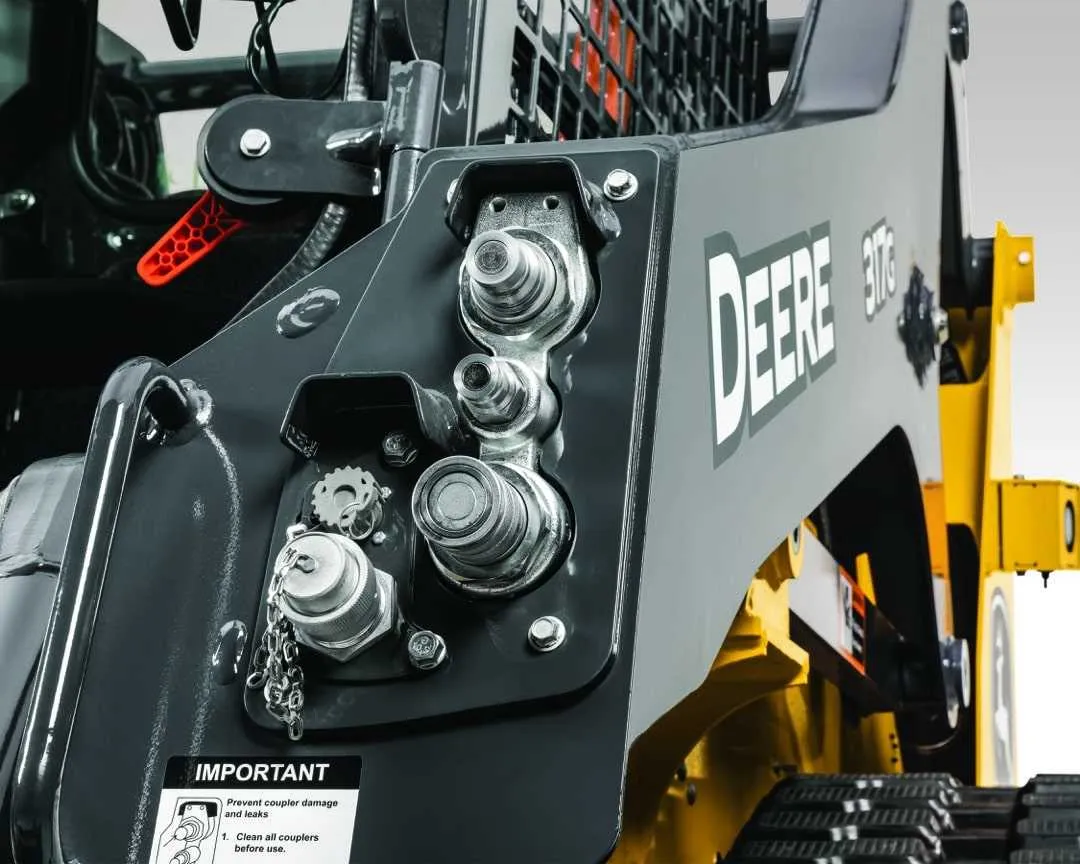
For precise and efficient operation, the John Deere 333G skid steer is equipped with an advanced hydraulic system. The machine features a high-performing hydraulic pump capable of delivering up to 23.5 gallons per minute (88.9 L/min) at full capacity, ensuring smooth and responsive movement. The hydraulic pressure is rated at 3,300 psi, offering powerful lifting and digging capabilities.
When working with attachments, the 333G can handle up to 2,000 lbs (907 kg) of hydraulic flow, allowing a wide range of tools to be used without sacrificing performance. This level of hydraulic power is particularly advantageous for operators looking to maximize versatility and efficiency on various job sites.
Maintaining optimal hydraulic fluid levels and regular system checks will keep the 333G in peak operating condition. With a hydraulic reservoir capacity of 15.8 gallons (59.7 L), the system is designed for extended use, reducing downtime between service intervals. The John Deere 333G’s hydraulic system is engineered to provide maximum power while maintaining reliability throughout demanding tasks.
John Deere 333G Hydraulic Specs
The John Deere 333G compact track loader offers a powerful hydraulic system designed to handle demanding tasks with precision. Below are the key hydraulic specifications for optimal performance:
- Hydraulic Pump Type: Load sensing variable displacement
- Hydraulic Flow Rate: 23.5 gpm (89.0 L/min)
- Hydraulic Pressure: 3,500 psi (241 bar)
- Auxiliary Hydraulic Flow: 17.4 gpm (65.9 L/min)
- Auxiliary Hydraulic Pressure: 3,500 psi (241 bar)
The hydraulic system efficiently powers attachments and allows for high lifting and digging capabilities. The 333G’s robust flow and pressure are designed to handle tough lifting, digging, and grading tasks, ensuring maximum productivity across a range of applications. The advanced load-sensing feature adjusts the flow based on the demands of the task at hand, improving fuel efficiency and reducing wear on components.
The auxiliary hydraulics system provides versatility for various attachments, making the 333G a highly adaptable machine for different job sites. The high flow option available with this model further expands the range of compatible attachments, increasing operational flexibility.
For owners and operators, maintaining proper hydraulic fluid levels and regular inspections of hydraulic components are critical to sustaining performance and extending machine life. Regularly check the hydraulic filter and replace it as necessary to avoid contamination and ensure smooth operation.
Hydraulic System Pressure and Flow Rate of John Deere 333G
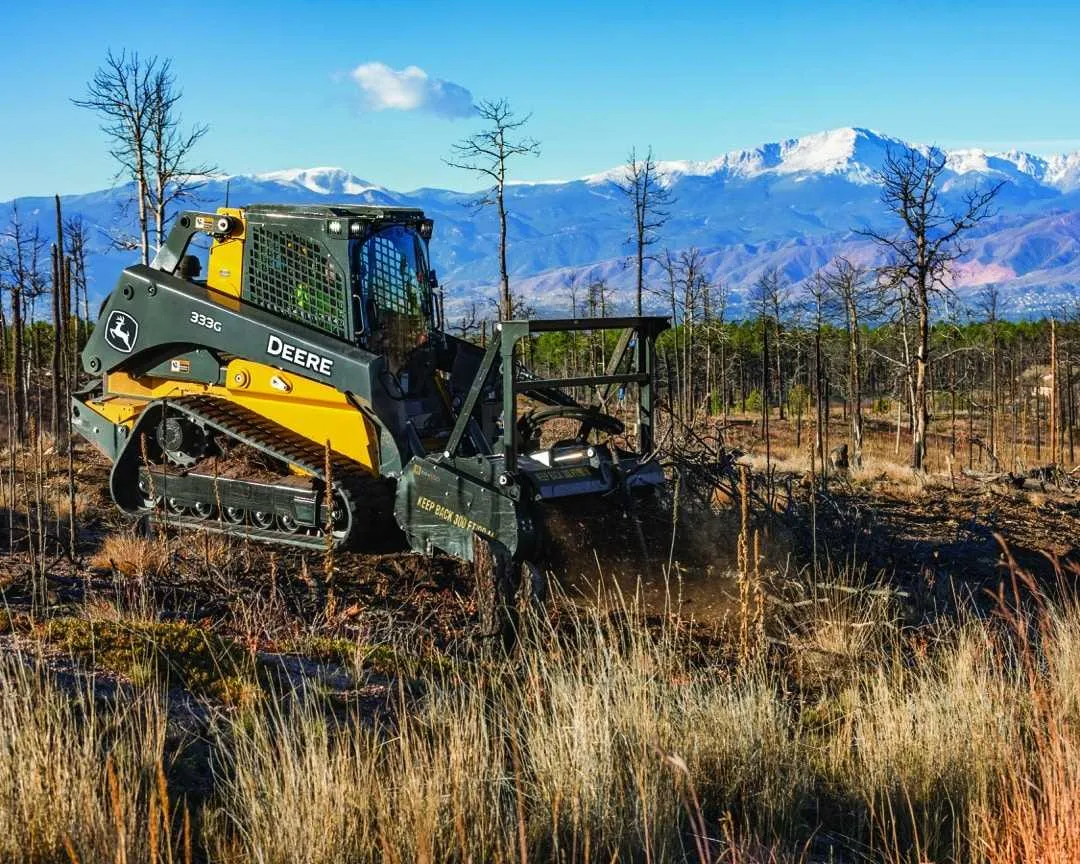
The John Deere 333G’s hydraulic system operates at a maximum pressure of 3,450 psi (238 bar), offering solid performance for various heavy-duty tasks. This pressure ensures efficient operation of attachments, such as buckets, grapples, and other implements, with reliable force delivered throughout the system.
The flow rate is set at 26.9 gpm (101.9 l/min), providing high-capacity fluid movement for smooth hydraulic functions, especially when dealing with demanding tasks like lifting or digging. This flow rate ensures quick cycle times and responsive control, which is critical for tasks requiring precision and power.
For optimal performance, maintain the hydraulic system’s pressure and flow rate within these factory specifications. Using compatible attachments and performing regular maintenance on filters and seals will keep the system functioning at peak efficiency.
Hydraulic Capacity and Fluid Recommendations for John Deere 333G
The John Deere 333G skid steer loader has a hydraulic system designed to perform under heavy workloads. It has a total hydraulic system capacity of 23.3 gallons (88.2 liters), with a reservoir capacity of 12.7 gallons (48 liters). This allows for optimal performance during high-demand tasks like lifting, digging, and pushing. To keep the system running smoothly, always ensure the fluid level is checked regularly.
For optimal performance, the recommended hydraulic fluid for the John Deere 333G is John Deere Hy-Gard or equivalent fluids that meet JDM J20C or J20D specifications. These fluids provide superior anti-wear protection and help reduce system wear, ensuring long-term durability. Always avoid using automotive or transmission fluids, as they don’t provide the right lubrication needed for the system’s components.
It is critical to change the hydraulic fluid at intervals specified in the owner’s manual, usually after every 1,000 operating hours or once a year, whichever comes first. Neglecting regular fluid changes can lead to overheating, reduced efficiency, and increased component wear. Cleanliness is also essential–always use clean containers when adding or changing the fluid, and ensure that no contaminants enter the system.
In colder climates, it’s advisable to use a hydraulic fluid with lower viscosity for better cold-weather performance. John Deere Hy-Gard 10W-30 is a good option, ensuring smooth operation in temperatures down to -18°F (-28°C).
Regularly check the hydraulic filter, and replace it as needed to maintain the system’s health. A clogged filter can impede fluid flow, leading to lower hydraulic pressure and inefficient operation. Keep track of any system performance issues or strange sounds that could signal a hydraulic problem, and address them immediately to prevent costly repairs.
Key Components and Maintenance Tips for John Deere 333G Hydraulic System

Focus on maintaining the hydraulic filter and fluid levels. Replace the filter regularly to prevent contaminants from damaging the system. John Deere recommends checking the hydraulic fluid every 250 hours of operation to ensure it’s at the correct level and not degraded. If needed, change the fluid to avoid performance issues.
Keep an eye on the hydraulic pump, as it is crucial for fluid pressure generation. Inspect the pump for leaks or signs of wear. Make sure the connections are tight, and the fluid is free from debris that could clog the system.
Check the hoses and fittings for cracks or leaks, particularly in high-stress areas like the boom and arm cylinders. These components work under high pressure and should be inspected every 500 hours. Replace damaged hoses immediately to prevent system failure.
The hydraulic cylinders should be regularly cleaned and inspected for rust or damage. Lubricate them as required to ensure smooth operation. Also, ensure the cylinder seals are intact to prevent fluid leakage.
Monitor the temperature of the hydraulic system. If the temperature exceeds the normal range, it can cause damage to the seals and other components. Keep the cooling system clean and ensure the radiator fins are not clogged.
Lastly, verify that the relief valve and pressure settings are correct. Over-pressurization can lead to system failure, while under-pressurization may affect machine performance. Adjust the valve settings according to the operator’s manual.