John Deere 210K EP Specifications and Features for Construction and Farming Tasks
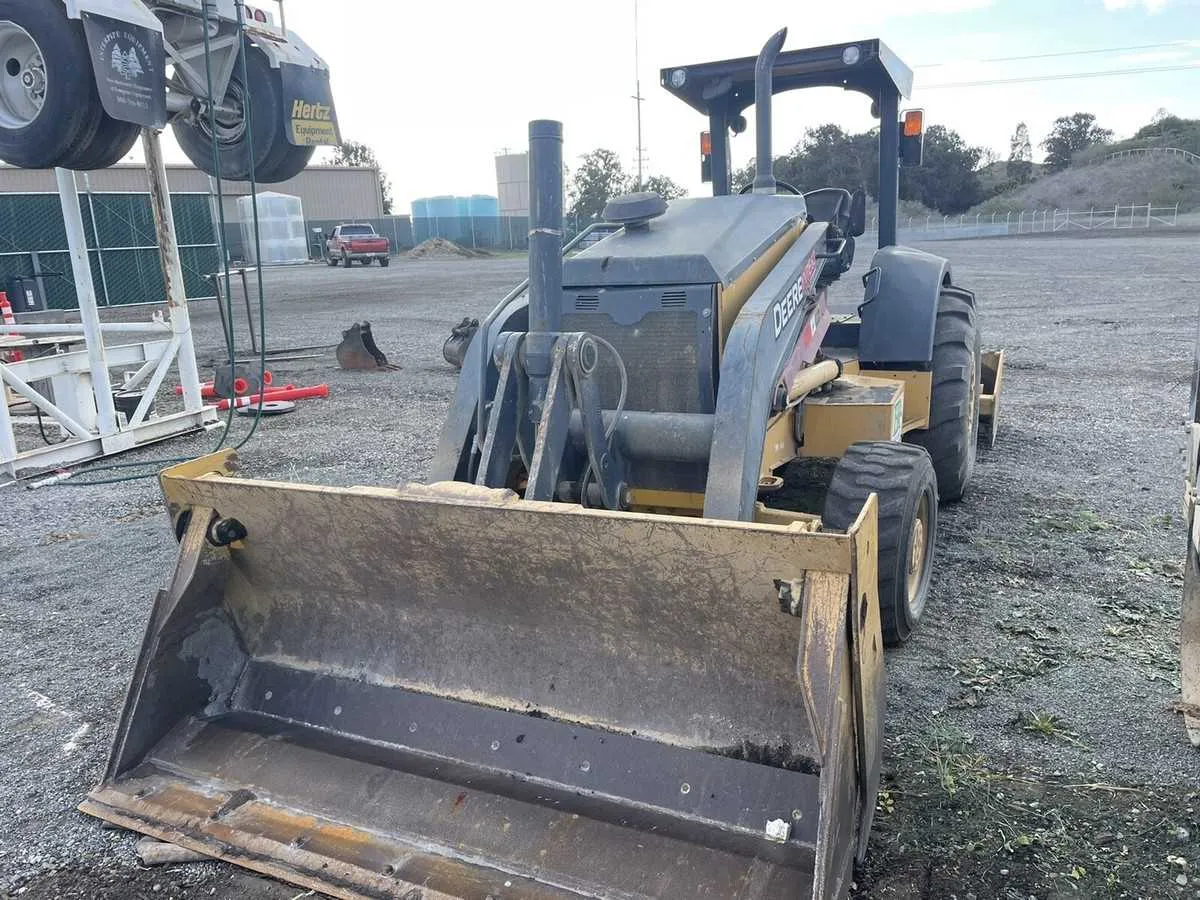
The John Deere 210K EP stands out with its powerful performance and versatility, making it a top choice for those looking to optimize efficiency in their operations. The machine is equipped with a 4.5L engine that delivers a solid 74 horsepower, ensuring consistent power for a wide range of tasks. Whether you are working on construction sites or handling agricultural duties, this model offers an impressive balance of durability and fuel efficiency.
Weighing approximately 10,000 pounds, the 210K EP features an advanced hydraulics system designed to provide superior lifting capability. With a lift capacity of around 4,000 pounds and a breakout force of 8,000 pounds, the machine can handle tough loads with ease. The adjustable boom and quick coupler make it adaptable for various attachments, enhancing the machine’s utility in different work environments.
Designed with operator comfort in mind, the 210K EP comes with an ergonomic cabin, easy-to-use controls, and excellent visibility. The EP variant emphasizes energy efficiency, reducing fuel consumption without compromising on performance. Operators can also enjoy the benefits of a smooth, stable ride thanks to its advanced suspension system and robust tire options.
If you’re looking for a reliable and cost-effective loader, the John Deere 210K EP delivers on both fronts. Its solid build, paired with low maintenance requirements and exceptional serviceability, ensures that this machine can handle heavy-duty tasks day in and day out. The 210K EP is built for those who demand high performance and long-term value in one compact package.
John Deere 210K EP Specs
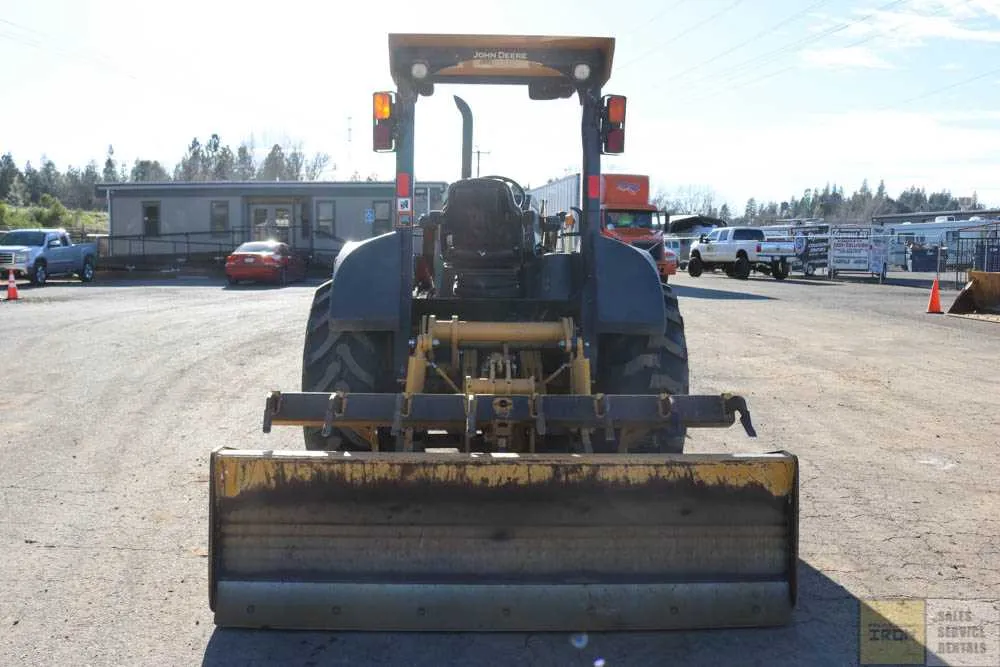
The John Deere 210K EP is built for demanding tasks, offering a solid combination of power, comfort, and efficiency. This model delivers impressive performance for both construction and agricultural work with its durable features and reliable specs.
The 210K EP is powered by a 4.5L, 4-cylinder engine that generates 74.5 horsepower. Its torque output reaches 275 lb-ft, ensuring robust power for a wide range of heavy-duty tasks. The machine’s maximum operating weight is approximately 15,000 lbs, making it versatile enough for tight spaces without compromising its lifting and digging capabilities.
For digging, the 210K EP features a standard digging depth of 14.5 feet, allowing operators to tackle deeper trenches efficiently. The machine’s reach at ground level is 20.5 feet, and it has a bucket capacity of up to 1.25 cubic yards, making it well-suited for handling large materials in one scoop.
The hydraulics system includes a powerful 2,500 psi pressure, offering fast cycle times and better lifting performance. It’s paired with a 22.5-gallon per minute pump, ensuring that hydraulic functions run smoothly and efficiently during operations.
For operator comfort, the 210K EP comes with a spacious, climate-controlled cab that reduces fatigue over long working hours. The ergonomic design includes an adjustable seat, user-friendly controls, and excellent visibility to enhance both comfort and productivity. The intuitive touchscreen interface provides clear data on machine health, fuel levels, and other critical performance metrics.
Fuel efficiency is a key feature, as the 210K EP uses a high-capacity fuel tank of 32 gallons, allowing it to run longer hours without frequent refueling. Its eco-friendly design also ensures low emissions, meeting stringent environmental standards.
Durability is another highlight, with the 210K EP’s reinforced undercarriage, heavy-duty boom, and high-strength steel frame. These features contribute to the machine’s longevity and resistance to wear and tear, even in the most demanding environments.
Whether you’re working in construction, landscaping, or agriculture, the John Deere 210K EP combines power, comfort, and durability, making it an excellent choice for a variety of heavy-duty applications.
Engine Performance and Capacity of the John Deere 210K EP
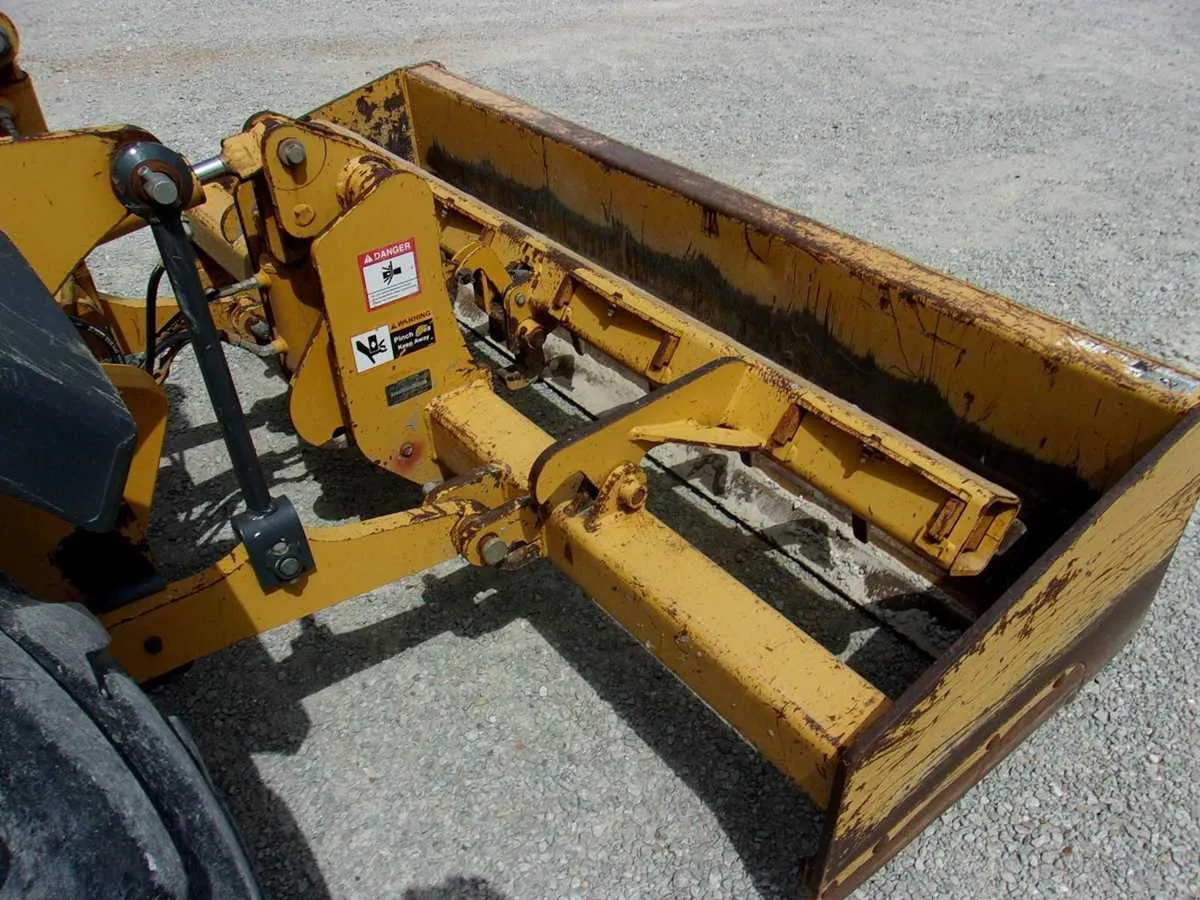
The John Deere 210K EP comes equipped with a reliable 4.5L PowerTech engine that delivers consistent power and performance for a variety of tasks. The engine’s rated horsepower reaches up to 74.3 hp (55.4 kW), making it capable of handling demanding operations such as lifting and digging.
The engine operates efficiently with a turbocharged design, providing excellent fuel efficiency and low emissions. With a maximum torque of 284 lb-ft (385 Nm) at 1400 rpm, it ensures smooth operation and improved productivity across various terrains.
- Engine displacement: 4.5L
- Rated horsepower: 74.3 hp (55.4 kW)
- Maximum torque: 284 lb-ft (385 Nm) at 1400 rpm
- Fuel tank capacity: 55.4 gallons (210 L)
- Fuel efficiency: Optimized for lower operating costs
With its efficient fuel system and advanced engine technology, the 210K EP ensures less downtime and more productive hours on the job. Whether you’re working on light construction, landscaping, or material handling, the engine’s design offers reliability and power in various working conditions.
The 210K EP’s engine offers the right balance of power and fuel efficiency, making it a smart choice for demanding projects that require both precision and durability. With the combination of high performance and low emissions, this machine is well-suited for jobs that need to be done efficiently while keeping operating costs in check.
Hydraulic System Features and Load Handling Capabilities
The John Deere 210K EP’s hydraulic system delivers powerful performance tailored for demanding tasks. With a hydraulic flow of 115 L/min (30.4 gpm), it ensures fast cycle times and precision in handling heavy loads. The system is designed to offer a maximum operating pressure of 20,000 kPa (2,900 psi), which enhances lifting and digging power, making it suitable for construction, landscaping, and material handling applications.
With a lift capacity of up to 2,400 kg (5,291 lbs) at the pivot point, the 210K EP can efficiently handle various attachments, from buckets to forks. The hydraulic system’s load-sensing feature adjusts the flow and pressure according to the task at hand, optimizing performance without wasting power. This makes load management smoother and more reliable, especially during extended operations.
The machine also features a parallel lift design, allowing for consistent load handling throughout the lift cycle. This is particularly useful when handling large or heavy materials at full reach, ensuring that the load remains stable and properly supported. The advanced hydraulic design minimizes the risk of tipping, providing enhanced safety during operation.
Additionally, the load holding valve integrated into the hydraulic system prevents unintended lowering of loads when the engine is turned off, ensuring greater control and safety. These hydraulic characteristics make the John Deere 210K EP an ideal choice for professionals seeking both power and precision in load handling.
Maintenance and Service Intervals for the John Deere 210K EP
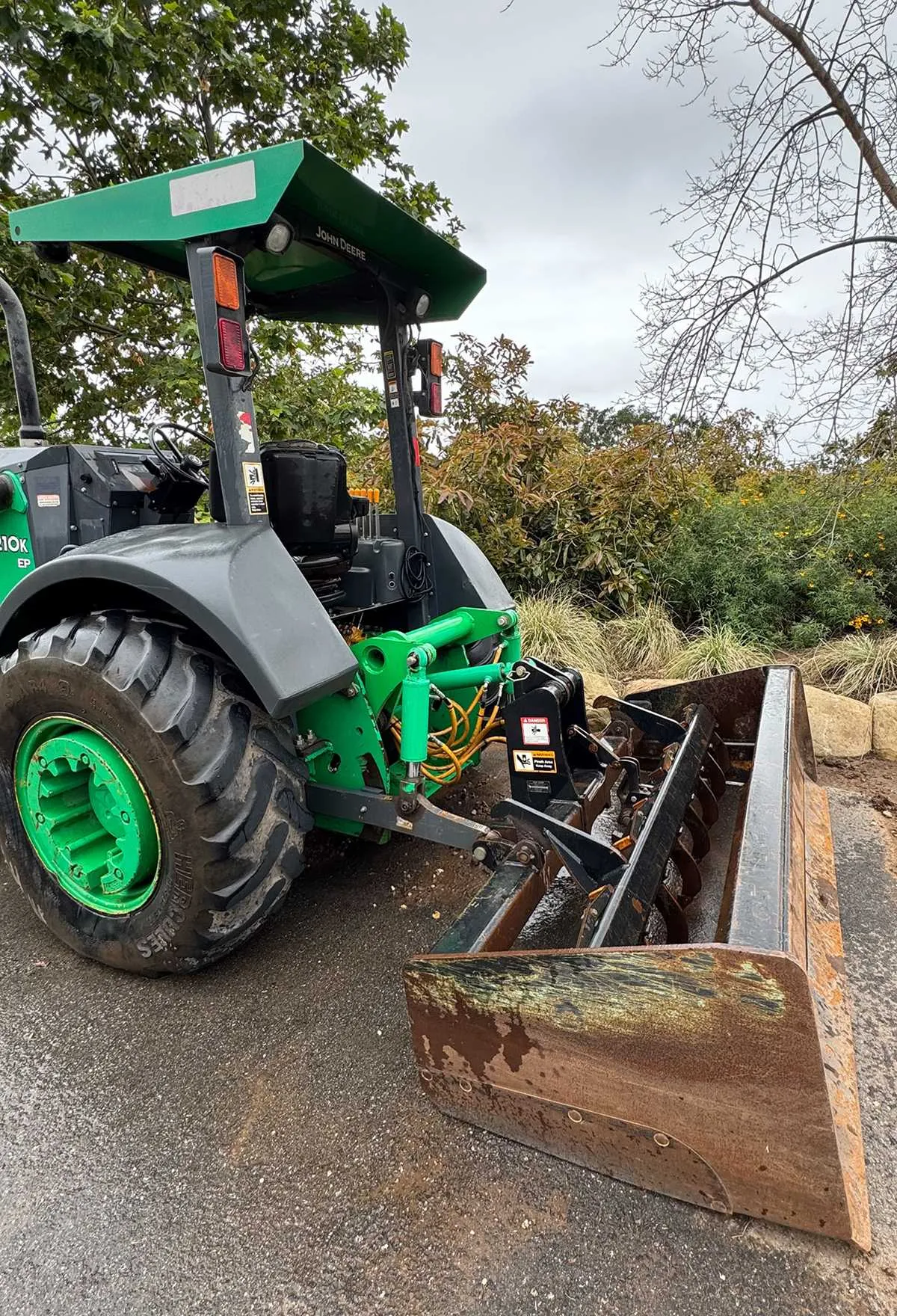
For optimal performance, the John Deere 210K EP requires specific maintenance at regular intervals. The key to keeping this machine running smoothly lies in adhering to the recommended service schedule.
Engine oil and filter should be changed every 500 hours of operation or once a year, whichever comes first. It’s critical to use the correct oil type as specified in the operator’s manual to prevent premature engine wear.
The transmission oil and filter need attention every 1,000 hours. For smoother operation and longer transmission life, always replace the filter and check fluid levels. Inspect the hydraulic fluid and filter every 500 hours, replacing them as needed to avoid system inefficiencies.
Check the air filter every 250 hours. In dusty environments, more frequent inspection and cleaning are recommended to maintain air intake efficiency. Cleaning the cooling system is essential every 500 hours or after prolonged use in tough conditions. Make sure to inspect for any obstructions to airflow and clean the radiator fins accordingly.
Inspect the tires every 250 hours to ensure proper wear and pressure. Adjust as needed to keep the machine stable and safe to operate.
Every 2,000 hours, replace the fuel filter and perform a full inspection of the fuel system. It’s also a good time to inspect the exhaust system for any damage or signs of wear.
Track your machine’s operational hours closely. If you notice any unusual noises, vibrations, or drops in performance, address them immediately–these could indicate underlying issues requiring attention before the next scheduled maintenance.