John Deere 1435 Series II Specifications and Features Overview
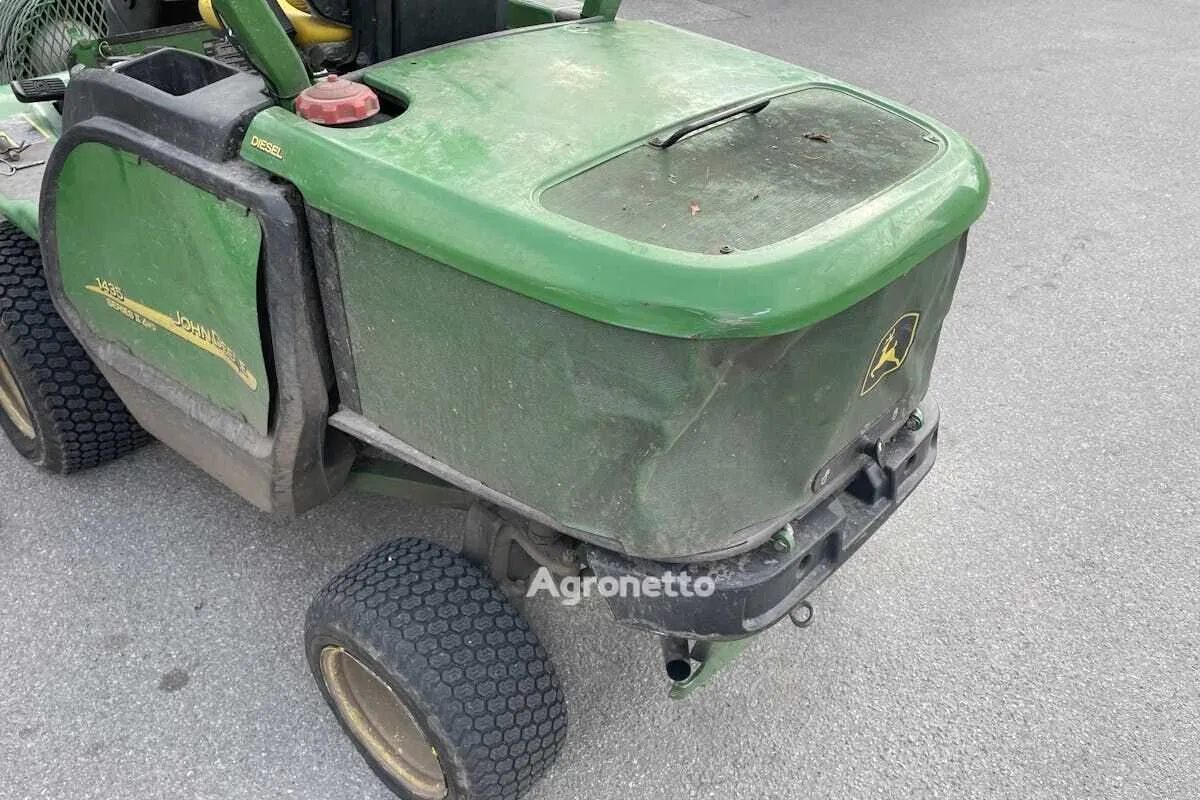
The John Deere 1435 Series II is engineered for consistent, high-performance results, particularly in commercial mowing applications. Equipped with a powerful 25 hp diesel engine, it offers robust reliability and efficiency on large properties or golf courses. With its 72-inch deck, it tackles extensive areas without sacrificing quality or speed.
One standout feature is the 4WD system, which enhances traction in various conditions, ensuring smooth operation on slopes or uneven terrain. The hydraulically controlled deck provides precise cutting height adjustments, contributing to a uniform cut. The machine’s user-friendly controls make operation straightforward, even for those less familiar with commercial equipment.
Designed for durability, the 1435 Series II incorporates heavy-duty components like a cast-iron front axle and steel-reinforced decks. It also includes a fuel-efficient diesel engine that reduces downtime and operational costs. With these specifications, this mower is built to handle demanding workloads with ease and minimal maintenance.
John Deere 1435 Series II Specifications
The John Deere 1435 Series II features a 24.7 hp (18.4 kW) diesel engine, providing solid power for mowing and landscape maintenance tasks. The 4-cylinder, liquid-cooled engine delivers reliable performance in a variety of conditions, ensuring longevity and ease of use.
The mower deck spans 54 inches (137 cm), offering optimal cutting efficiency for medium to large properties. With three blades, it provides clean and even cuts, contributing to a professional finish. The deck is also designed for easy height adjustment, ranging from 1.5 to 5 inches (3.8 to 12.7 cm).
Thanks to the Power Flow system, the 1435 Series II excels in grass collection, even in damp conditions. The 2WD configuration offers straightforward handling, but the optional 4WD provides additional traction for challenging terrain. The compact design improves maneuverability, making it suitable for both open fields and tight spaces.
The transmission uses a hydrostatic drive system for smooth acceleration and deceleration. The joystick control system ensures that users can change speeds and direction with ease. This setup minimizes operator fatigue during long hours of operation.
The 1435 Series II includes a durable, fully welded frame designed for stability and resistance to wear. The operator station is ergonomically designed with a comfortable seat, easy-to-reach controls, and ample legroom for a relaxed operation. The optional air conditioning system ensures comfort in hot environments.
For maintenance, the 1435 Series II has a user-friendly design. Key components are easily accessible, making routine checks and repairs straightforward. Additionally, the mower is compatible with various attachments for increased versatility.
Engine Specifications and Performance Data
The John Deere 1435 Series II is powered by a 4-cylinder, 2.4L diesel engine, delivering a maximum output of 24.7 hp (18.4 kW) at 3,200 rpm. This engine is designed for optimal torque and reliability, ideal for demanding lawn and turf maintenance tasks. It operates with a fuel injection system that ensures smooth and consistent power delivery, making it suitable for various cutting conditions.
The engine features a mechanical governor, which provides consistent engine speed regardless of load variations, enhancing operational stability. It also incorporates a cooling system that maintains the engine’s temperature within the optimal range to prevent overheating, ensuring prolonged performance even during extended usage.
For efficiency, the 1435 Series II includes an advanced air filtration system, designed to keep the engine clean by reducing dust and debris intake. The engine also benefits from a direct fuel injection system, which optimizes fuel use and reduces emissions while maximizing power output.
With a fuel tank capacity of 5.5 gallons (20.8 liters), the John Deere 1435 Series II offers extended run times, minimizing downtime during operation. It also has a maintenance-friendly design, with easy access to key components for routine checks and oil changes.
The engine’s performance is complemented by the mower’s efficient drive system, ensuring that power is consistently transferred to the cutting deck, providing a uniform and clean cut. Whether operating on flat terrain or slopes, the engine maintains its performance without compromising efficiency.
Hydrostatic Transmission Features and Benefits
The John Deere 1435 Series II’s hydrostatic transmission provides smooth operation with instant speed and direction control. This feature makes it easy to adjust the speed based on the task without shifting gears, offering seamless transitions in all conditions.
- Variable Speed Control: The hydrostatic system allows for precise speed adjustments, ensuring consistent performance when mowing, hauling, or handling diverse terrain.
- Bidirectional Operation: Forward and reverse movements are easily controlled through the foot pedal, allowing for smooth transitions while maintaining productivity.
- Reduced Maintenance: With fewer moving parts than traditional gear systems, the hydrostatic transmission requires less maintenance, saving time and reducing repair costs.
- Enhanced Comfort: The absence of shifting gears means less operator fatigue, as users don’t need to engage in manual shifting, even during extended use.
- Durability: Built to handle heavy-duty tasks, this transmission is designed for long-term reliability, even in demanding conditions.
By prioritizing ease of use, low maintenance, and high reliability, the hydrostatic transmission on the John Deere 1435 Series II provides a significant advantage for both residential and commercial applications.
Maintenance and Service Intervals for Optimal Performance
For maintaining the John Deere 1435 Series II in peak condition, adhere strictly to the recommended service intervals. Regular maintenance prevents costly repairs and extends the mower’s lifespan.
Every 50 hours, inspect the air filter and clean it if necessary. Replace it every 200 hours or sooner if it shows signs of wear or clogging. Keeping the air filter clean improves engine efficiency and prevents debris from entering the system.
The engine oil and filter should be changed every 100 hours of operation or at least once per season, whichever comes first. Fresh oil reduces friction and keeps internal components running smoothly, preventing overheating and premature wear.
Check the mower blades after every 50 hours of use. Sharpen or replace them if they appear dull or damaged. Sharp blades ensure a clean, even cut and reduce strain on the engine.
Every 200 hours, inspect and replace the fuel filter to avoid engine problems caused by clogged filters. A clean fuel filter ensures proper fuel flow and protects the engine from contaminants.
Hydraulic fluid should be replaced every 500 hours. Be sure to inspect the hydraulic system for leaks or signs of wear regularly. Fresh fluid ensures smooth operation of the mower’s lift and steering systems.
Check tire pressure regularly and adjust to the recommended settings. This helps maintain optimal traction and prevents uneven wear on the tires, ensuring a stable mowing experience.
Lastly, keep the mower deck clean by removing grass and debris after every use. Build-up can affect performance and lead to rusting over time.