John Deere 9HP Kawasaki Engine Specifications and Key Features
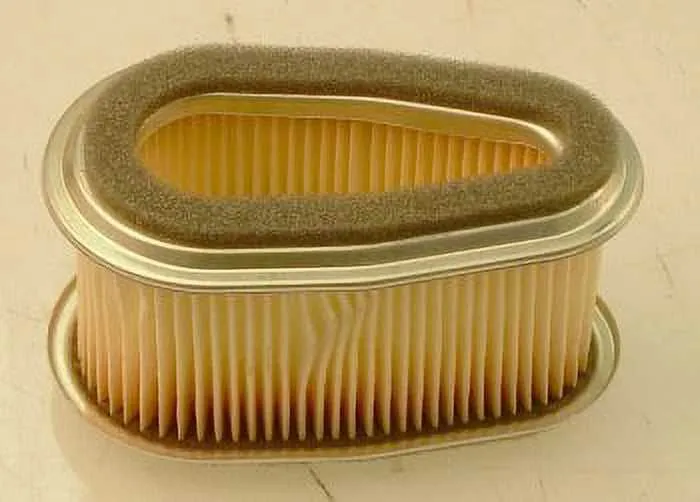
The John Deere 9HP Kawasaki engine is built to deliver strong, consistent power for a variety of outdoor equipment. This engine is ideal for lawnmowers, small tractors, and other utility machines, offering a solid performance with minimal maintenance requirements. If you’re looking for reliability and performance, this engine stands out due to its impressive specifications.
With a displacement of 318cc, the Kawasaki engine is designed to provide 9 horsepower, making it suitable for both residential and light commercial applications. It features an overhead valve (OHV) design, which improves fuel efficiency and reduces engine emissions. The high-compression ratio ensures better fuel combustion, resulting in more power per unit of fuel consumed.
Maintenance is straightforward, thanks to the user-friendly design of the Kawasaki engine. Routine tasks like oil changes and air filter replacements are simple to perform, contributing to the engine’s longevity. This model also comes equipped with a mechanical governor, which maintains engine speed under varying load conditions, ensuring consistent performance. With its robust construction, this engine can handle demanding tasks without compromise.
Whether you’re using it for mowing or other utility purposes, the John Deere 9HP Kawasaki engine offers a reliable solution with excellent power-to-weight ratio. It is built to endure tough working conditions, providing smooth operation for extended periods. Make sure to check the manufacturer’s guidelines for oil specifications and maintenance intervals to keep it running at its best.
John Deere 9hp Kawasaki Engine Specs
The John Deere 9hp Kawasaki engine is a reliable and powerful option for various outdoor equipment. With a displacement of 317cc, this engine delivers solid performance, making it suitable for lawn mowers, snow blowers, and other power equipment.
It boasts a maximum output of 9 horsepower at 3,600 RPM, offering enough strength to handle demanding tasks. The engine features a single-cylinder configuration and a vertical shaft for easy integration with most compatible equipment. The compression ratio is set at 8.0:1, providing a balance between power and fuel efficiency.
Fuel efficiency is further optimized with a 5.3-liter fuel tank, allowing longer operation between refills. The Kawasaki engine is air-cooled, reducing the need for extensive maintenance while providing consistent operation in various temperatures.
For easy starting, the engine comes equipped with an electric start option, eliminating the hassle of pull-starting. The high-quality components, such as the cast-iron cylinder liner, ensure durability, reducing the need for repairs over time. The oil capacity stands at 1.1 quarts, with an oil filter that keeps the engine running smoothly for extended periods.
At just 61.3 lbs (27.8 kg), this engine is lightweight and compact, making it easy to handle without compromising power. Whether you’re upgrading or replacing an existing engine, the John Deere 9hp Kawasaki engine is a dependable choice for your equipment.
Key Technical Specifications of the John Deere 9hp Kawasaki Engine
The John Deere 9hp Kawasaki engine stands out with its solid performance, designed for small to medium outdoor equipment. It is powered by a 9 horsepower (hp) engine, making it suitable for a variety of applications such as lawn mowers, pressure washers, and other machinery.
One of the standout features is the Kawasaki FH580V engine, which offers a horizontal shaft design and is built to provide a reliable, smooth operation even under heavy loads. The engine is a 4-stroke gasoline-powered engine, which ensures both power and fuel efficiency for longer operational hours without frequent refueling.
The engine operates with a displacement of 603cc, offering a well-balanced power-to-weight ratio. It uses a single-cylinder configuration, which is efficient for its size, providing consistent power throughout its operation.
The engine features an OHV (Overhead Valve) design that improves the overall engine efficiency by optimizing airflow and reducing the risk of overheating. With a compression ratio of 8.2:1, the engine maximizes combustion, providing reliable power for your equipment.
For ease of maintenance, the engine is equipped with a spin-on oil filter that helps keep the engine running smoothly over time. This simple feature reduces the hassle of frequent oil changes and ensures better oil circulation for long-lasting durability.
With a 12-volt electrical system, the engine ensures smooth starting and stable performance. The fuel tank capacity is 3.3 liters, providing a good balance between operational hours and fuel usage, reducing downtime for refueling.
The engine comes with a mechanical governor, helping to maintain a consistent engine speed regardless of load changes. This feature enhances the engine’s reliability for steady power output.
In terms of emissions, the engine complies with EPA Phase 3 and CARB regulations, ensuring that it operates within the environmental standards while providing sufficient power for demanding tasks.
Maintenance Requirements for Optimal Performance of the 9hp Kawasaki Engine
Change the engine oil regularly. Every 50 hours of operation, or at least once a season, replace the oil with the manufacturer-recommended 10W-30 oil. This keeps the engine running smoothly and reduces wear.
Keep the air filter clean. Check it every 25 hours and clean it with compressed air if it’s not too dirty. If the filter shows signs of damage, replace it. A clogged filter reduces engine efficiency.
Inspect the spark plug after every 100 hours of use. Clean it or replace it if necessary. An old or dirty spark plug can cause misfires and decrease performance.
Check the fuel filter every 50 hours. A blocked filter restricts fuel flow and could lead to engine stalling or poor performance. Replace it if it’s clogged.
Keep the cooling fins free of dirt and debris. The engine needs to stay cool to function properly. Clean the fins every 25 hours of operation, or more often in dusty conditions.
Examine the fuel system for leaks. Any sign of a leak could lead to a fire hazard or poor engine performance. Tighten loose connections and replace damaged parts immediately.
Replace the oil filter during every oil change. A clogged filter can prevent the oil from circulating properly, leading to overheating and engine damage.
Inspect the valve clearance at least once a year. Over time, valves can wear down and affect engine compression. Adjust if necessary to maintain peak performance.
Ensure the battery is properly charged and terminals are clean. Corrosion or weak battery connections can lead to starting issues and prevent the engine from running smoothly.
Check tire pressure regularly. Low pressure can strain the engine, affecting its performance and fuel efficiency.
Store the engine in a dry, sheltered place when not in use. Exposure to extreme weather can damage engine components and lead to rust and deterioration.
Common Issues and Troubleshooting for John Deere 9hp Kawasaki Engine Owners
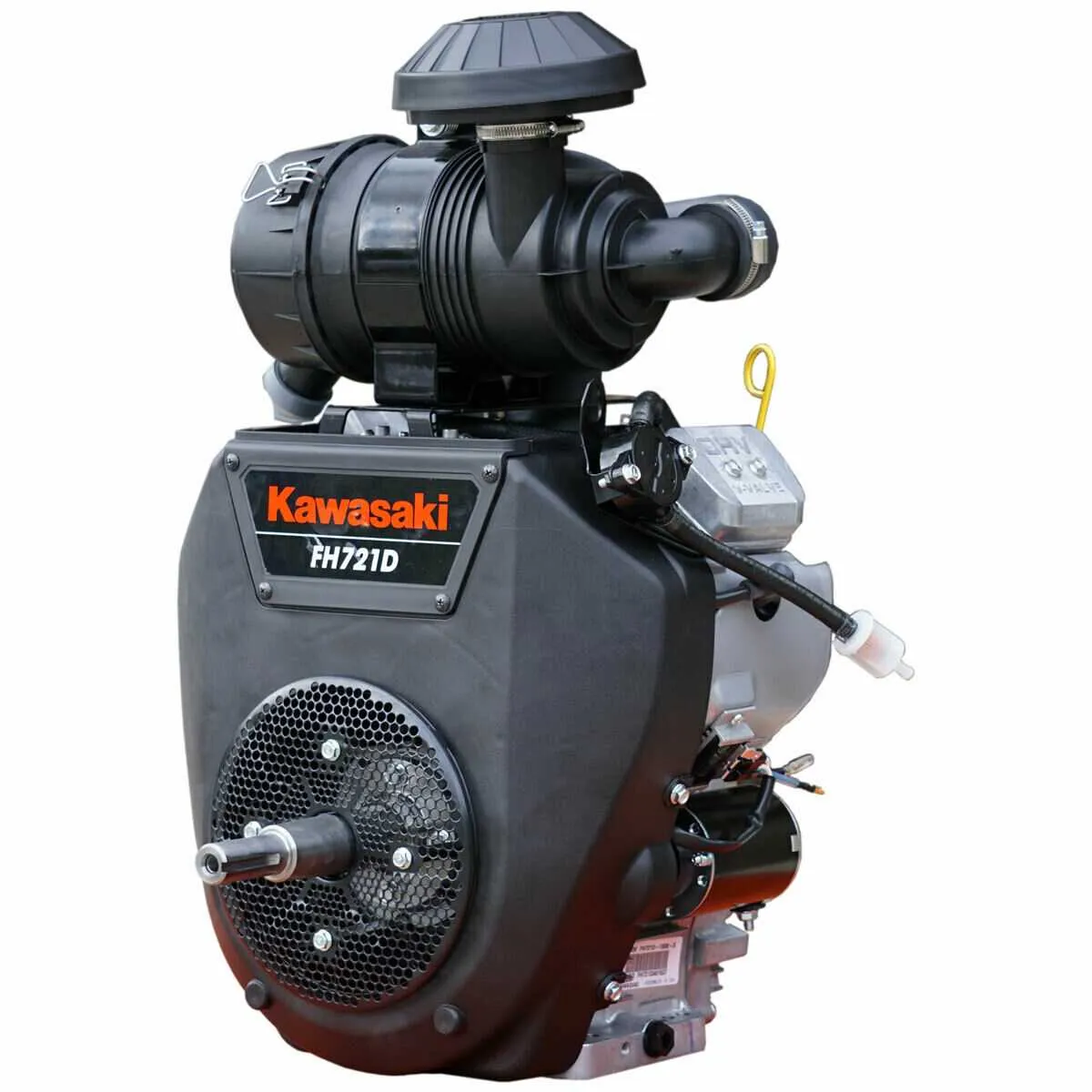
If your John Deere 9hp Kawasaki engine is giving you trouble, start by checking for a few common issues that often arise. Regular maintenance can prevent many of these problems.
Engine Won’t Start
If the engine refuses to start, check the fuel. Old or contaminated fuel can cause starting issues. Drain the old fuel and replace it with fresh gasoline. Ensure the fuel valve is open, and the fuel lines are clear. If the engine still doesn’t start, inspect the spark plug. A worn or dirty spark plug can prevent ignition. Clean or replace the spark plug if necessary.
Engine Starts but Stalls
A stalling engine might be due to a clogged air filter. A dirty filter restricts airflow, causing the engine to lose power. Clean or replace the filter as needed. Additionally, check the carburetor. A build-up of dirt or debris can lead to improper fuel flow, which may cause the engine to stall. Use carburetor cleaner to address this issue.
Engine Misfires
If the engine misfires, it might be due to an issue with the ignition system. Start by inspecting the spark plug again for any signs of wear or damage. A faulty coil or spark plug wire can also cause misfires. Test the ignition coil with a multimeter, and replace it if the resistance is out of range.
Overheating
Overheating is often the result of a blocked cooling system. Check the engine’s cooling fins and remove any debris that might be clogging the airflow. Make sure the oil level is correct and the oil is in good condition. Low or old oil can lead to excessive heat buildup. Change the oil if it appears dirty or low.
Oil Leaks
If you notice oil leaks around the engine, inspect the oil seals and gaskets for cracks or wear. Over time, these seals can deteriorate, causing leaks. Replace damaged seals or gaskets to stop the leak. Tightening bolts and checking the oil drain plug for proper sealing can also help prevent leaks.
Unusual Noises
Unusual noises such as knocking or grinding could indicate internal engine damage. Start by checking the oil level and condition. Insufficient or dirty oil can cause parts to wear out prematurely. If the noise persists after changing the oil, it may be necessary to consult a mechanic for a more in-depth inspection.