Specifications of John Deere Yellow Paint for Equipment and Machinery
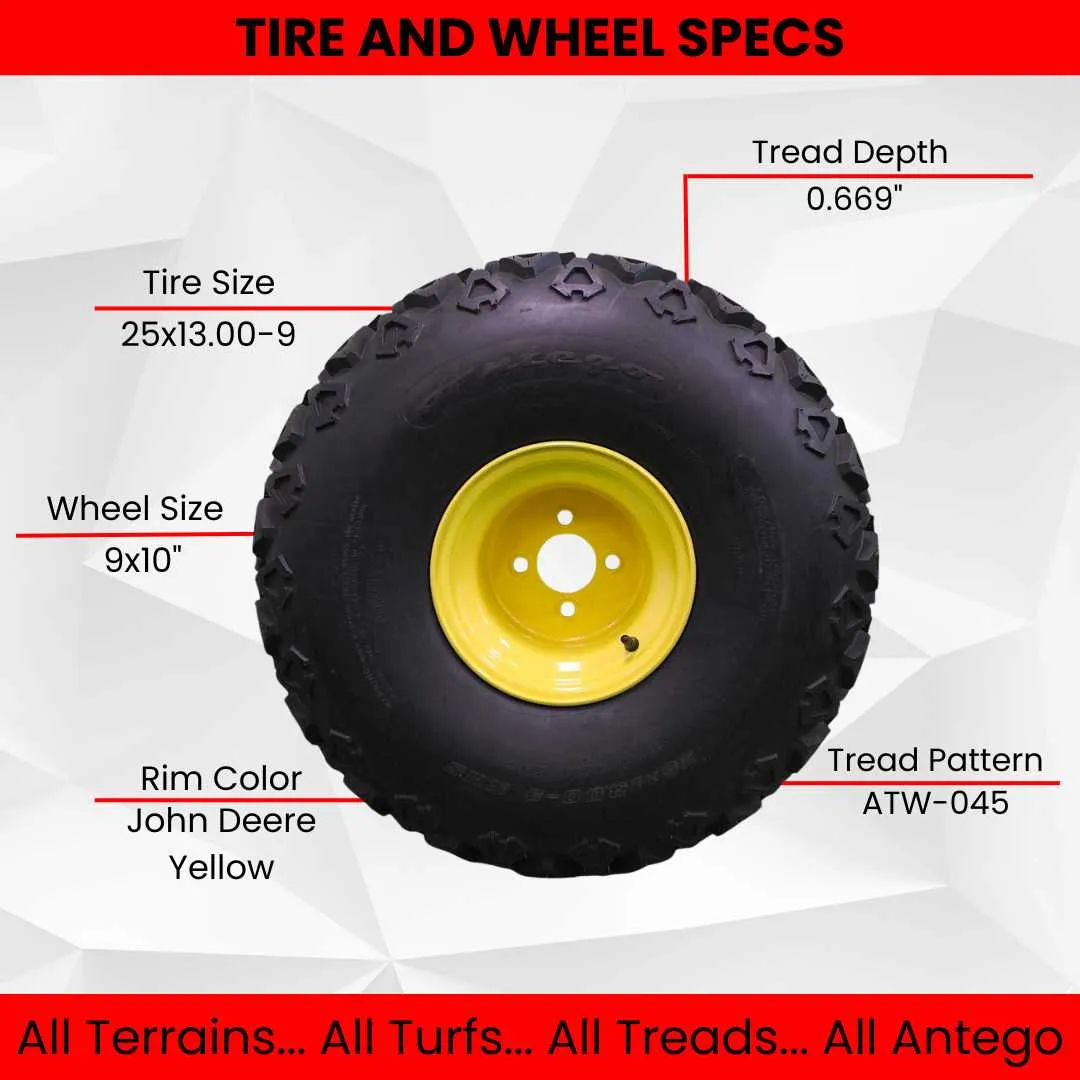
The specific shade of John Deere yellow is crucial for maintaining the brand’s signature look. The paint used for John Deere machinery, specifically the yellow, must meet precise color matching standards for durability and visual consistency. This ensures the long-lasting quality that the brand is known for.
When selecting the paint, it is vital to use the correct type of pigment to maintain the rich, bold yellow. The standard for John Deere yellow is based on the RAL 1021 color, also known as “Rapeseed Yellow”. This specific hue is designed to withstand outdoor conditions without fading, making it ideal for heavy machinery and farm equipment.
To apply the paint correctly, use a high-quality industrial enamel. This type of paint provides the necessary resistance against weathering, chemicals, and mechanical wear. The paint should be applied in multiple thin layers, allowing each to dry fully before the next is added. This prevents streaking and ensures even coverage.
The exact formula for John Deere yellow is a closely guarded trade secret, but following manufacturer guidelines for application and maintenance is key. Always test the paint on a small area before applying it to larger surfaces to confirm color match and adhesion.
John Deere Yellow Paint Specifications
John Deere Yellow paint is specifically designed to provide a durable, high-quality finish for agricultural machinery. The paint is known for its vibrant color and resistance to environmental factors, making it ideal for outdoor use on tractors, harvesters, and other equipment.
The color code for John Deere Yellow is typically matched with a Pantone 109C. This ensures consistency across different applications and products. The paint is formulated to withstand harsh weather conditions, including UV exposure, rain, and extreme temperatures, without fading quickly.
For best results, apply the paint on a clean, dry surface that is free of grease or oil. Use a primer that is compatible with John Deere Yellow to ensure better adhesion and longevity. The paint can be applied using spray guns or brushes, with multiple coats recommended for optimal coverage and durability.
Make sure to allow each layer to dry completely before applying the next. For areas that experience high wear, like wheel rims or chassis, it is recommended to use a topcoat for additional protection. The paint dries quickly, but full curing time can take up to 24 hours depending on humidity and temperature.
Ensure that the paint complies with industry standards for safety and environmental regulations. John Deere Yellow paint is designed to be lead-free and is compatible with various surface types, including metal and fiberglass, ensuring versatile use on different components of machinery.
Color Code and Composition of John Deere Yellow Paint
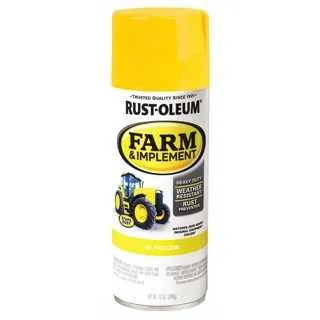
The John Deere Yellow color is specifically identified by the color code “PMS 109” (Pantone Matching System). This code ensures a consistent yellow hue across various applications and products. This yellow is not just a simple shade; it has a unique formulation that provides durability and visibility on heavy equipment.
The composition of John Deere Yellow paint typically includes the following components:
- Pigments: Organic yellow pigments, such as Hansa Yellow, provide the bright and long-lasting hue.
- Resins: Alkyd or acrylic resins are commonly used for their adhesion properties and weather resistance.
- Solvents: A mixture of solvent-based compounds, designed for easy application and to ensure a smooth finish without affecting the color integrity.
- UV Protectants: Additives to guard against UV rays, preventing color fading and ensuring the paint remains vibrant over time.
John Deere’s paint formulation is designed to withstand harsh conditions, making it ideal for agricultural machinery and outdoor equipment. The combination of these elements results in a paint that resists chipping, fading, and wear, which is why the iconic John Deere Yellow remains vibrant even after prolonged exposure to the elements.
Application Process for Optimal Finish
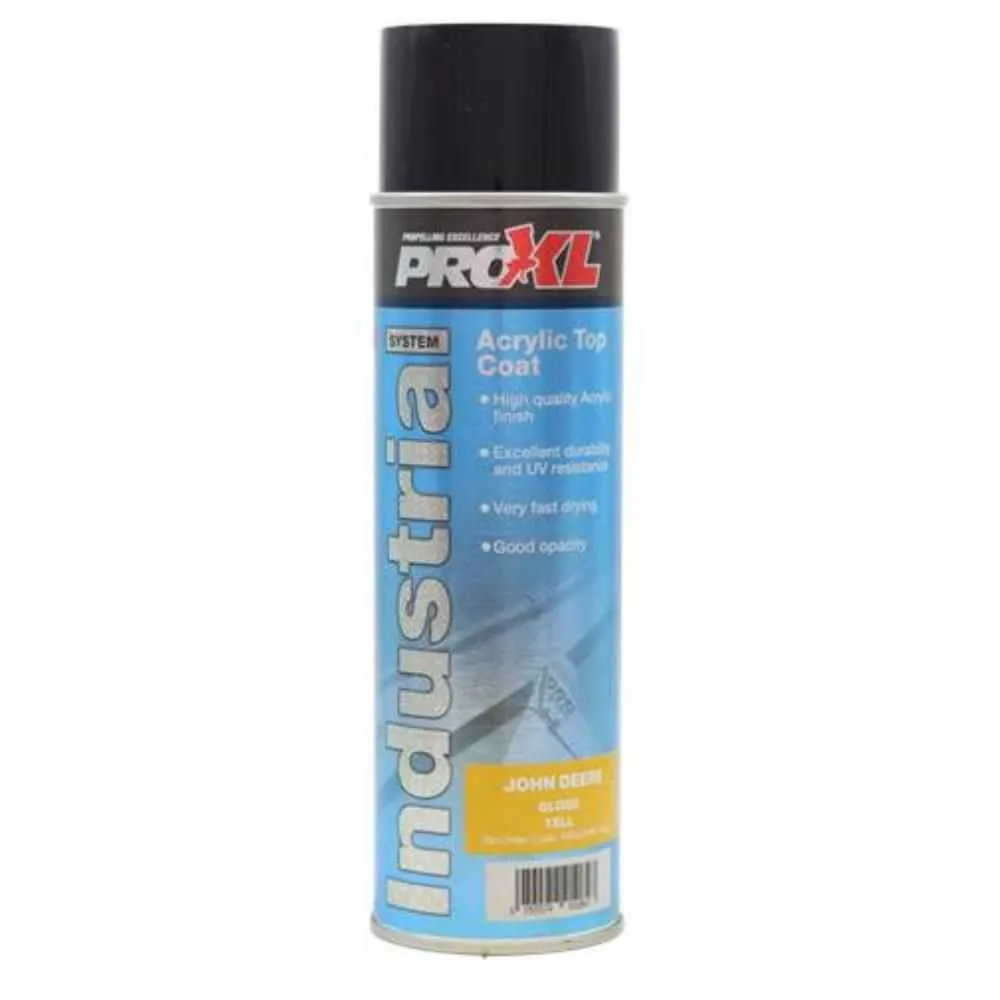
For the best result, apply John Deere Yellow paint on a clean, dry surface. Ensure that the area is free from dirt, grease, and rust. Use a degreaser or suitable cleaner to remove contaminants.
Before painting, lightly sand the surface to enhance paint adhesion. A fine-grit sandpaper, such as 320-grit, works best. This step ensures that the paint bonds properly and provides a smooth finish.
Use a high-quality spray gun for an even coat. Maintain a consistent distance of around 6–8 inches between the nozzle and the surface to avoid uneven application. Apply multiple thin layers rather than a single thick coat to prevent drips and streaks.
Allow each coat to dry fully before applying the next one. Drying times will vary depending on environmental conditions, but generally, wait 15-20 minutes between coats. If a second layer is necessary, apply it while the first coat is still slightly tacky.
After the final coat, let the paint cure for 24 hours to achieve maximum durability. Avoid touching or exposing the surface to moisture during the curing period.
For a high-quality finish, consider applying a clear protective coat after the paint has dried. This will enhance the shine and protect against wear and UV damage.
Durability and Maintenance of John Deere Yellow Paint
John Deere yellow paint is formulated for long-lasting durability, even under harsh conditions. To maintain its vibrant color and protective qualities, proper care is crucial. Regular cleaning with mild soap and water helps remove dirt and debris, preventing long-term staining and fading.
For optimal protection, apply a clear coat after the initial paint application. This layer shields the paint from UV damage and reduces wear from environmental factors like rain, snow, and extreme temperatures. Reapplying the clear coat every few years is recommended to keep the finish intact.
If the paint starts to chip or peel, address the damage immediately. Sand down the affected area and apply a touch-up coat of John Deere yellow paint. Make sure the surface is clean and dry before painting for the best adhesion.
During maintenance, inspect for any signs of oxidation. If present, use a mild abrasive polish to restore the paint’s shine. Avoid using harsh chemicals or abrasive tools, as they can damage the finish.
For areas exposed to heavy wear, such as the edges of equipment, consider applying a protective layer or using paint specifically designed for high-impact zones. Regular maintenance ensures that the John Deere yellow paint retains its strength and appearance over time.