John Deere Yanmar Engine Specifications and Key Features
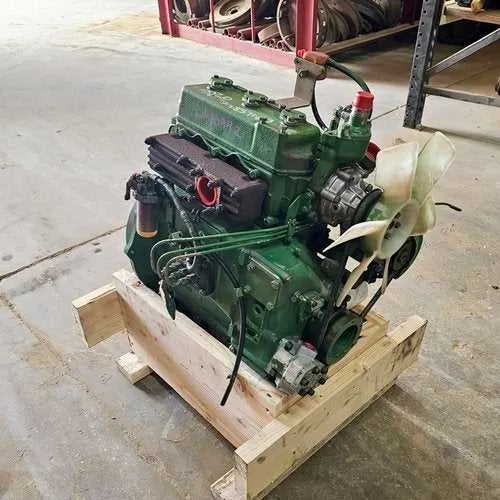
The John Deere Yanmar engine series stands out for its reliability and performance. Designed for various agricultural and industrial applications, these engines offer power and durability, making them a trusted choice for heavy-duty machinery. These engines feature a solid construction that ensures long-lasting operation even in demanding environments.
Engine specifications for John Deere Yanmar models typically include a range of horsepower ratings, with variations designed to fit specific operational needs. Whether for small tractors or larger construction equipment, these engines deliver smooth power and efficient fuel consumption. The engine designs emphasize ease of maintenance, with accessible components that reduce downtime.
With advancements in fuel efficiency, emissions control, and noise reduction, John Deere Yanmar engines meet environmental standards without sacrificing performance. These engines incorporate modern technology, such as advanced fuel injection systems, contributing to better combustion and overall engine responsiveness.
John Deere Yanmar Engine Specs
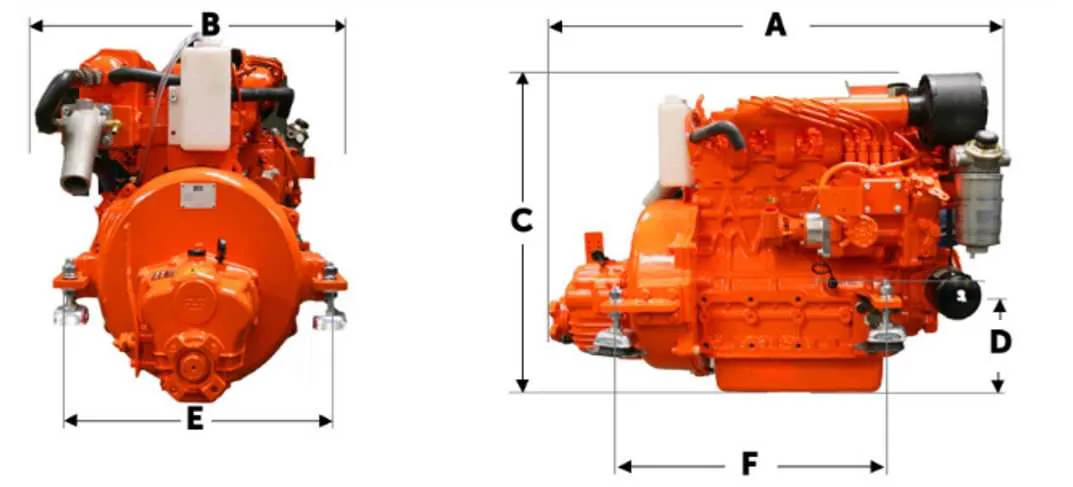
John Deere’s Yanmar engines are designed for optimal performance and durability in various machinery applications. These engines feature high compression ratios and robust build quality, ensuring long-lasting operation even under heavy loads. Their fuel efficiency is a standout characteristic, allowing machines to run longer with less fuel consumption.
These engines utilize advanced turbocharging systems, improving air intake and combustion efficiency, which results in higher power output without sacrificing fuel economy. The engine block and components are crafted from durable materials that can withstand demanding work conditions, offering consistent performance over time.
The Yanmar engines are equipped with advanced cooling systems that help maintain an optimal operating temperature, reducing the risk of overheating and extending the lifespan of the engine. Regular maintenance of filters, oil changes, and coolant checks will ensure that the engine operates at its peak potential.
Maintenance intervals are set to ensure long-term reliability, with recommended oil changes every 500 hours of operation or annually, whichever comes first. Regular inspection of fuel injectors and air filters is also essential for maintaining performance and preventing unnecessary wear.
Key Performance Metrics of Yanmar Engines
Yanmar engines stand out for their balance of power, fuel efficiency, and reliability. For optimal performance, it’s crucial to understand key specifications like horsepower, torque, and fuel consumption.
Horsepower is a primary metric to gauge engine output. Yanmar engines typically range from 10 to 200 horsepower, suitable for various applications from small machinery to large industrial equipment. Higher horsepower often means better performance under heavy loads, but it’s important to match engine power to the job requirements to avoid overloading.
Torque plays a critical role in an engine’s ability to handle demanding tasks. Yanmar engines are designed to deliver consistent torque across a wide RPM range, ensuring smooth operation even at low speeds. This consistency is vital for machinery requiring steady power, such as agricultural tractors or construction equipment.
Fuel consumption directly impacts operating costs. Yanmar’s advanced engineering allows for optimized fuel use, offering lower consumption rates compared to many competitors. Engines like the YM3 and TNV series are known for their fuel-saving features, providing long-running efficiency with minimal fuel input.
Maintenance intervals and ease of service are important considerations. Yanmar engines typically feature long service intervals, reducing downtime and enhancing the total cost of ownership. Regular oil changes and air filter replacements are essential for maintaining peak performance.
For those looking for durability, Yanmar engines are built with high-quality materials that withstand wear and tear over extended periods. Their design minimizes maintenance needs and prolongs engine life, even under heavy use.
Engine Configuration and Design Features
The engine’s inline configuration enhances smoothness and durability, making it ideal for various applications. A notable feature is the high-strength construction, ensuring resistance to wear and tear during heavy usage.
Each engine is equipped with a multi-valve system that improves combustion efficiency, resulting in better fuel economy and reduced emissions. The robust crankshaft and pistons are designed to withstand high pressures, ensuring long-term performance under demanding conditions.
- The engine uses a water-cooled system, preventing overheating and maintaining optimal operating temperatures.
- A precision-engineered timing belt contributes to the engine’s smooth operation, minimizing vibration and wear on key components.
- The advanced air intake system is designed to maximize airflow, promoting efficient combustion and boosting power output.
The compact design of the engine ensures it fits seamlessly into different types of machinery, contributing to both space savings and improved overall machine handling.
With a focus on durability and ease of maintenance, the engine features accessible service points, allowing for quick oil changes and routine inspections. This design consideration reduces downtime and keeps maintenance costs low.
Maintenance and Service Considerations for Yanmar Engines
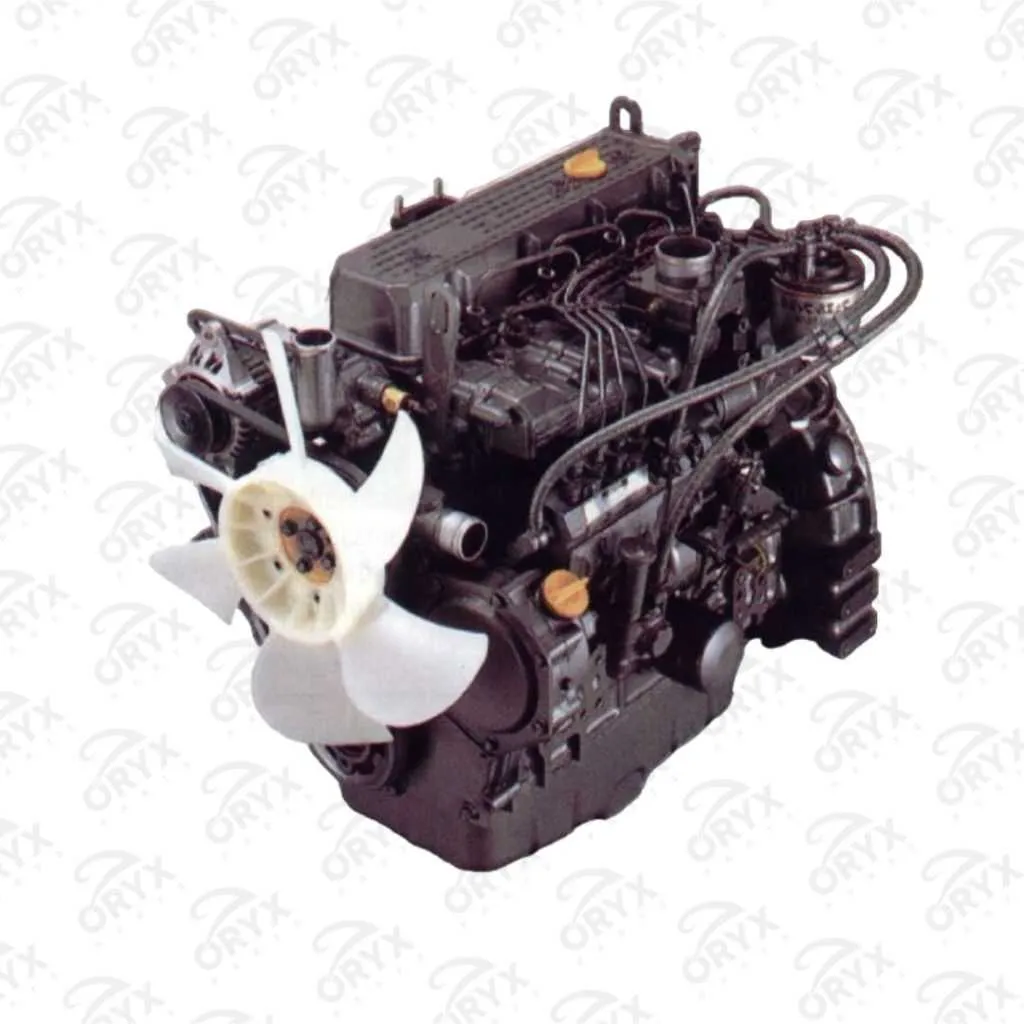
Regular oil changes are crucial for maintaining engine longevity. Replace the oil every 200 hours or as per the manufacturer’s guidelines, using the recommended oil type. Pay attention to the oil filter and replace it during each oil change.
Inspect the air filter every 100 hours of operation. If it’s clogged or damaged, replace it to ensure optimal air flow and prevent engine performance issues. Clean it periodically if it’s reusable, especially in dusty environments.
Check the fuel system regularly for leaks or signs of corrosion. Ensure that fuel filters are clean and replace them every 500 hours or sooner if there’s a noticeable drop in performance. Use only high-quality fuel to avoid contaminants.
Keep the cooling system in top condition by inspecting the radiator and cooling hoses. Flush the cooling system every 1,000 hours or as specified by the manufacturer to prevent overheating and maintain engine efficiency.
Monitor the condition of belts and hoses. They should be free of cracks, fraying, or wear. Replace them every 1,000 hours or as necessary, particularly in extreme temperatures or when signs of deterioration appear.
Grease moving parts such as the alternator and starter motor regularly, ensuring they remain lubricated for smoother operation. Follow the manufacturer’s recommended lubrication intervals to prevent wear.
During winter, store the engine properly by draining all fluids, including fuel, to avoid potential issues from freezing. Always check the battery condition and keep it fully charged for easy starts when needed.
Perform periodic inspections on the exhaust system to prevent blockages. A clear exhaust ensures proper engine performance and reduces the risk of overheating.
Always follow the manufacturer’s maintenance schedule and consult the service manual for specific guidelines to keep your engine running smoothly for years to come.