Specifications and Features of the John Deere 7200 12 Row Planter
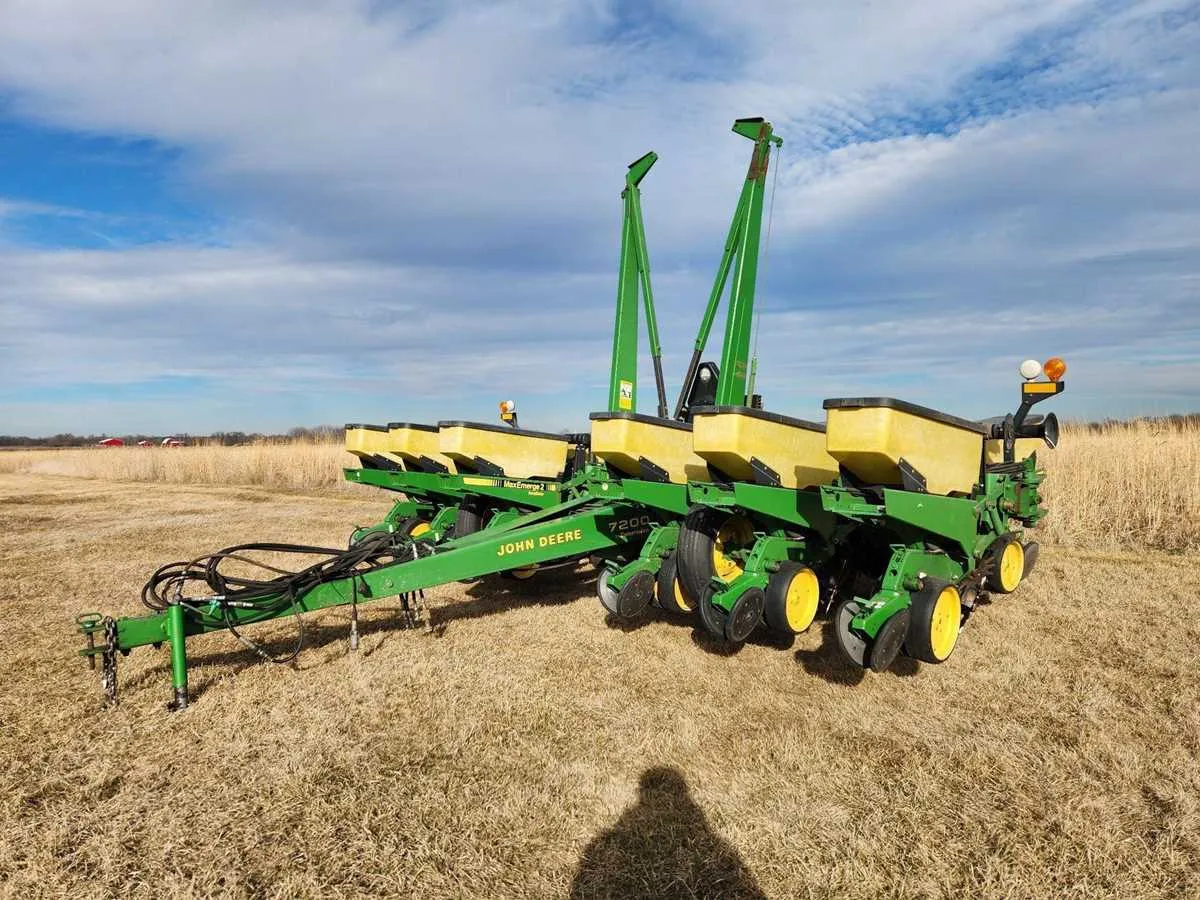
The John Deere 7200 12-row planter offers high precision and durability. With its advanced seed placement technology, it ensures uniform seed depth and spacing, which maximizes yield potential. Its sturdy build and innovative features make it suitable for a variety of soil types and planting conditions.
Equipped with a mechanical drive system, the John Deere 7200 is designed to handle large fields efficiently. The planter’s row units are adjustable, providing flexibility for different planting depths and spacing. This adaptability is key for optimizing seed-to-soil contact and improving germination rates.
With the 7200 planter, operators benefit from easy calibration and a user-friendly interface. The central lift system allows for better weight distribution, reducing stress on the tractor while ensuring smoother operation. Whether in wet or dry soil, the planter’s performance remains consistent, ensuring high productivity over the long term.
John Deere 7200 12 Row Planter Specifications
The John Deere 7200 12-row planter is engineered for precision planting, offering robust performance for various field conditions. It features a 12-row configuration, designed to improve efficiency in large-scale farming operations.
The planter operates with a row spacing of 30 inches, ideal for most row crops. The maximum working width spans 30 feet, allowing for faster planting over extensive areas. Each row unit is equipped with a 15-inch gauge wheel for enhanced seed depth consistency.
The John Deere 7200 comes with a seed metering system that provides accurate seed placement at varying planting depths. This is achieved through its vacuum meter, which ensures a consistent flow of seeds per row, improving crop yield potential.
For added durability, the planter includes heavy-duty steel frame construction. The frame is designed to withstand heavy use and harsh field conditions. It also incorporates a no-till option, which reduces soil disturbance and promotes better soil health.
The machine’s transport width measures around 12 feet, making it suitable for road transport without requiring additional permits. The hydraulic folding mechanism allows for quick setup and breakdown during field transitions.
The John Deere 7200 12-row planter is also equipped with a large-capacity seed hopper that reduces the frequency of refills, allowing operators to focus on the task at hand and cover more ground efficiently.
Overall, the John Deere 7200 is built for heavy-duty planting, providing high accuracy and durability for farmers looking to optimize their planting process.
Key Features of the John Deere 7200 Planter
The John Deere 7200 planter offers a range of features designed to enhance planting precision and efficiency. Its precision seed placement ensures uniformity across the entire field, which directly influences crop growth and yield consistency.
The planter’s row units are equipped with advanced depth control mechanisms, enabling accurate seed placement at varying soil conditions. This allows operators to achieve optimal planting depth, regardless of field variability.
With adjustable row spacing, the John Deere 7200 can accommodate different crop types and farming practices. This adaptability makes it an ideal choice for diverse planting needs, whether for row crops or specialty plants.
The planter also features a reliable and easy-to-use seed delivery system, ensuring that each seed is delivered efficiently to the furrow. The robust design of the seed meters minimizes downtime and reduces the need for maintenance, improving overall productivity during the planting season.
Additionally, the John Deere 7200’s toolbar design promotes improved stability and balanced weight distribution across the planter, contributing to smoother operation even in challenging field conditions.
For those looking to maximize planting productivity, the John Deere 7200 offers a comprehensive suite of options, including high-speed planting capabilities, integrated monitoring systems, and easy calibration for variable-rate planting.
Setup and Configuration Options for Optimal Performance
Ensure proper seed depth by adjusting the row units to match soil conditions. Set the down pressure accordingly to maintain consistent planting depth throughout the field.
Configure the planter’s seed rate to match crop requirements. Use the appropriate sprockets for your desired planting speed and seed spacing. Check the settings against the seed type and soil condition for maximum efficiency.
Adjust the marker system to align with field boundaries. Make sure the markers are functioning properly to ensure accurate row spacing, which helps in reducing overlap and improving efficiency.
Optimize tire pressure on the planter. The correct tire pressure reduces the risk of soil compaction while maintaining proper weight distribution for the planter’s operational needs.
- Set the hydraulic flow rate for the planter according to manufacturer recommendations.
- Check seed box calibration to ensure proper seed delivery and reduce waste.
- Confirm the row cleaners are set to avoid residue buildup in the seedbed.
Regularly inspect and adjust the closing wheels to maintain proper soil coverage over seeds. The closing wheels should press soil down evenly while not compacting the seedbed.
Perform a thorough inspection of the planter’s electrical system to ensure all sensors are operational, helping with row-by-row monitoring and adjustment during planting.
Finally, check the overall alignment of the planter before each use to guarantee consistent planting across the field.
Maintenance and Care for Long-Term Durability
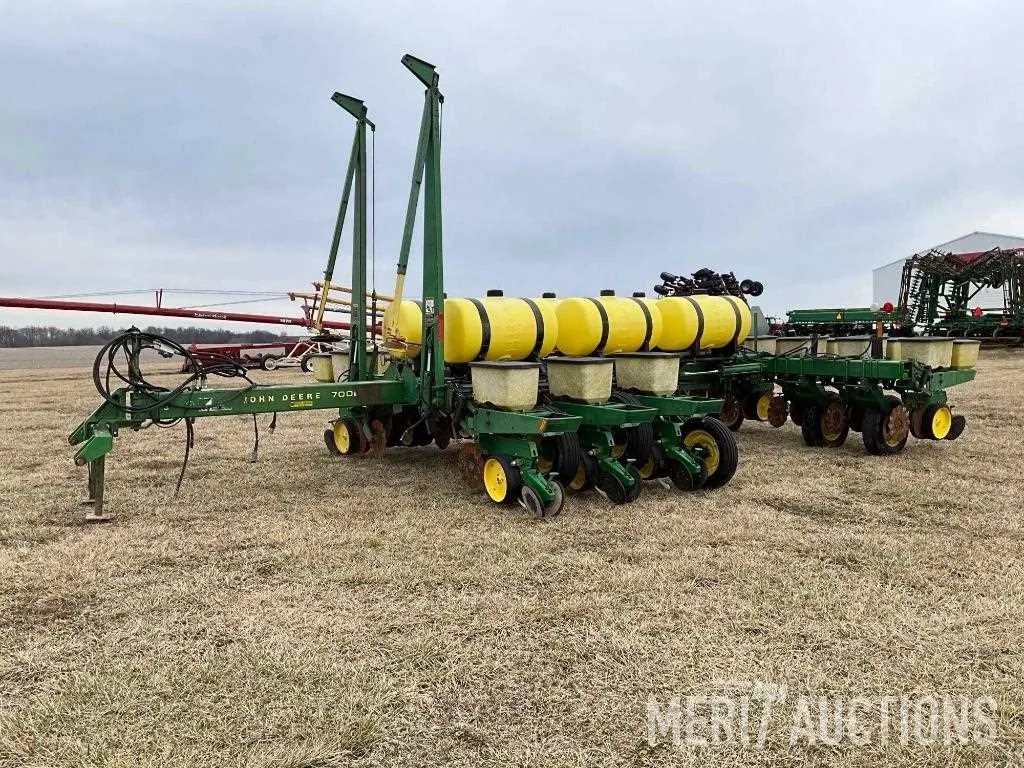
Regularly inspect all moving parts for signs of wear, such as the seed discs, closing wheels, and gauge wheels. Ensure that these components are properly lubricated to reduce friction and prevent premature damage.
Check the hydraulic system and replace filters at recommended intervals. Replace any worn or damaged hoses immediately to avoid leaks or system failure. Periodically test the pressure of the hydraulic components to ensure proper operation.
Clean the planter thoroughly after each use, particularly after planting in fields with heavy residue. Clogged seed tubes can result in inconsistent planting depth, leading to poor seedling development. Use a soft brush and non-abrasive cleaning solutions to maintain the integrity of the components.
Inspect the planter frame for cracks or signs of stress. Tighten any loose bolts or fasteners, and replace any damaged parts to maintain structural integrity. Proper tension in the frame and planter components helps maintain accurate seed placement and ensures even crop emergence.
Perform regular checks on the electrical system, particularly on the seed monitor and control systems. Replacing worn wires or faulty sensors promptly prevents operational failures and inaccurate planting results.
Ensure the planter’s seed metering system is calibrated correctly. Adjustments can be made to the seed population as necessary based on the type of seed and field conditions. Regular calibration keeps planting rates consistent and prevents over-seeding or under-seeding.
Inspect and maintain the tires regularly. Ensure that they are inflated to the proper pressure to avoid uneven planting depth caused by inconsistent tire pressures. Worn-out tires should be replaced immediately to maintain proper row spacing.