Comparing John Deere 1025R and 2025R Specifications
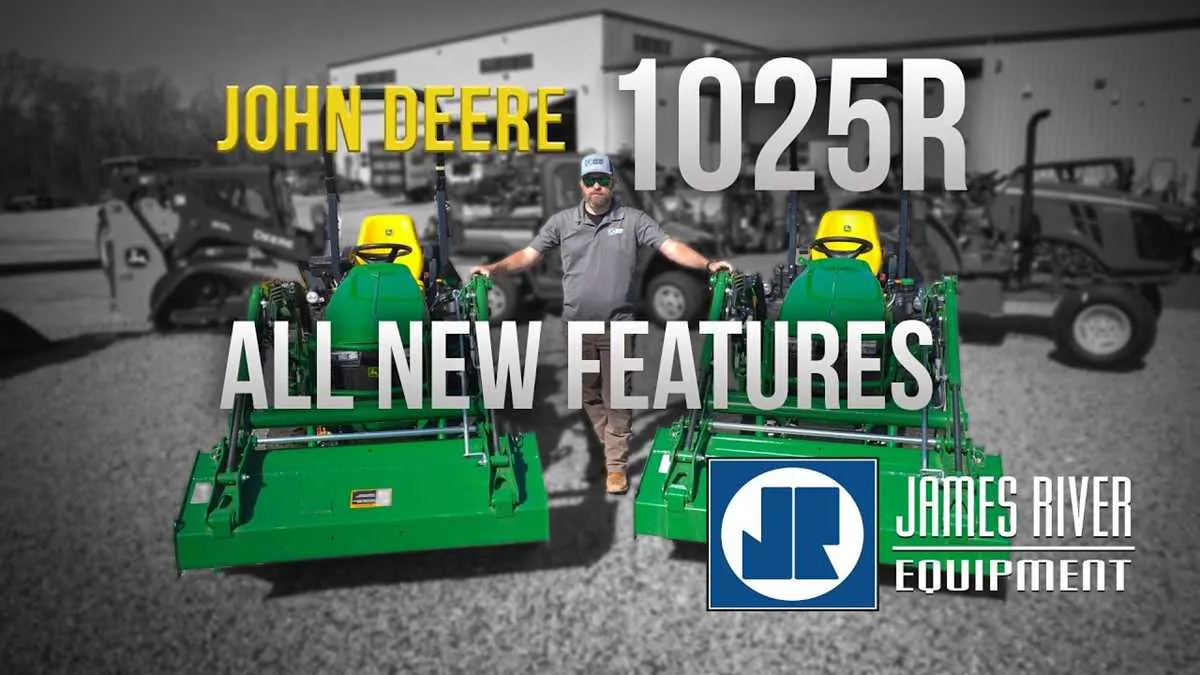
John Deere 1025R is designed for users seeking a compact tractor for light-duty tasks. With a 24.2 horsepower engine, this model excels in small-scale farming, landscaping, and general utility jobs. It offers an easy-to-use hydraulic system, making it ideal for projects that require regular maneuvering and lifting. The 1025R also stands out with its precise controls and low maintenance needs, allowing operators to focus on efficiency.
John Deere 2025R, on the other hand, offers a more robust engine at 25.5 horsepower, providing slightly more power for tasks that demand higher lifting capacity or more intensive work. Its larger size gives it additional stability, especially when using heavier implements. This model also includes upgraded hydraulic capabilities and a more comfortable operator platform, making it suitable for extended hours of use or heavier workloads compared to the 1025R.
The key difference lies in the engine power and lifting capacity. The 2025R’s increased horsepower allows it to tackle larger projects with greater ease. However, for those prioritizing a compact and agile machine, the 1025R remains a strong contender, especially in urban farming or landscaping applications.
John Deere 1025R vs 2025R Specs
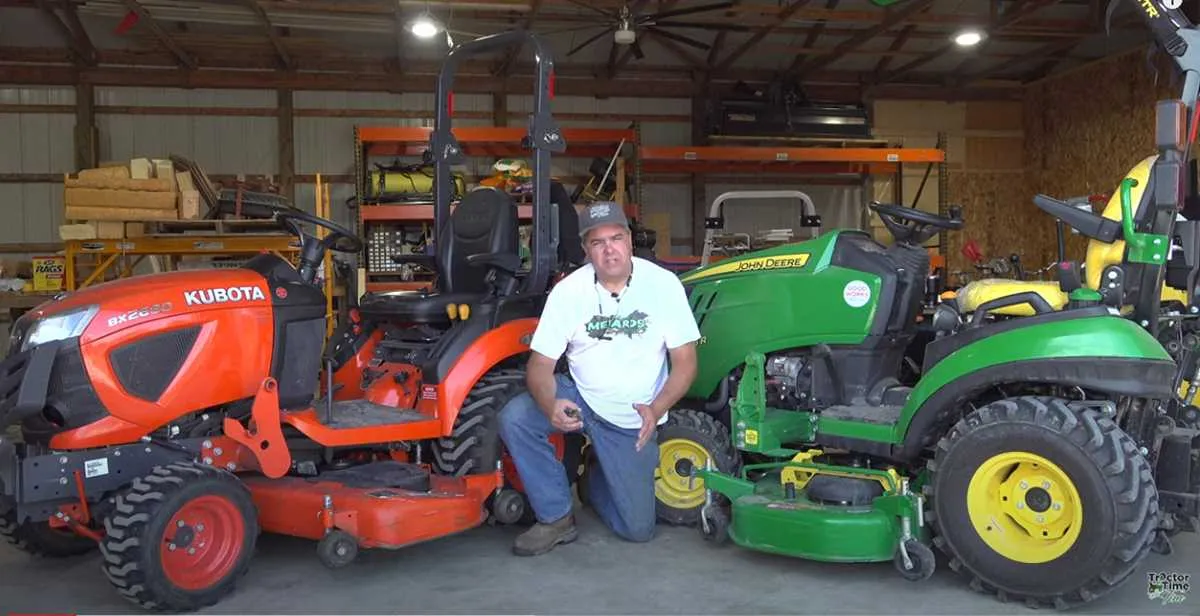
The John Deere 1025R and 2025R offer similar features but with key differences that impact performance. Both models provide solid power and versatile design for compact tractor needs. The 1025R is ideal for lighter tasks, while the 2025R handles heavier loads and more demanding applications.
- Engine Power: The 1025R comes with a 24.2 hp engine, while the 2025R has a 25.6 hp engine, offering slightly more power for tougher jobs.
- Hydraulic System: The 1025R has a hydraulic pump capacity of 5.3 gpm, and the 2025R offers 7.6 gpm, enabling more fluid movement for attachments.
- Lift Capacity: The 2025R can lift 1,115 lbs at the lift point, compared to 1,000 lbs on the 1025R. This allows the 2025R to handle heavier implements or attachments.
- Transmission: Both tractors use hydrostatic transmission, but the 2025R offers a higher top speed of 9.3 mph, compared to 8.5 mph in the 1025R, making it more suitable for faster tasks.
- Weight: The 1025R weighs 1,450 lbs, and the 2025R weighs 1,575 lbs, providing additional stability and capacity for larger implements in the 2025R.
Both models are compatible with a wide range of attachments, but the 2025R’s higher specifications make it better suited for heavier-duty work and larger areas. For lighter tasks, the 1025R provides a more cost-effective and compact solution.
Key Engine Differences Between John Deere 1025R and 2025R
The John Deere 1025R and 2025R are equipped with different engine configurations that influence performance and efficiency. The 1025R features a 1.0L 3-cylinder diesel engine, producing 23.9 horsepower, while the 2025R comes with a slightly larger 1.1L 3-cylinder diesel engine generating 24.7 horsepower. Despite the small difference in output, the 2025R’s engine offers a more robust torque curve, enhancing its capabilities for heavier tasks.
Another notable difference is the engine’s displacement and design. The 2025R’s larger displacement engine provides better performance under load, especially when using attachments that demand higher power. On the other hand, the 1025R is ideal for lighter tasks where efficiency and fuel economy are prioritized, offering slightly better fuel consumption.
In terms of cooling, both models use liquid-cooled systems, but the 2025R benefits from a more advanced cooling setup, allowing it to handle prolonged heavy-duty work with less risk of overheating. The 1025R, while still efficient, is better suited for regular, less intensive jobs.
Comparison of Hydraulic Systems and Lift Capacities
The John Deere 1025R and 2025R offer distinct hydraulic capabilities, with the 2025R providing more lifting power. The 1025R has a hydraulic pump rated at 3.4 GPM, while the 2025R boosts this to 4.2 GPM, allowing for faster implement movement and improved performance under load.
Lift capacity also differs between the two models. The 1025R’s standard 3-point hitch can lift up to 1,100 lbs, while the 2025R lifts a heavier 1,300 lbs. This increase in lift capacity enhances the 2025R’s ability to handle larger, heavier attachments with ease.
The loader hydraulics in both models show similar performance, but the 2025R’s higher flow rate offers quicker attachment movements, making it better suited for tasks that require more speed, such as moving materials or performing repetitive tasks efficiently.
If maximum hydraulic output is a priority, the 2025R’s higher pump capacity and lift capabilities make it the better option for more demanding tasks. The 1025R, while still powerful, is more suitable for lighter, less frequent operations.
Maintenance and Service Considerations for Both Models
Both the John Deere 1025R and 2025R require routine maintenance to ensure optimal performance. The 1025R, being a compact utility tractor, has slightly fewer service demands compared to the 2025R, which is equipped with a more powerful engine and additional features. Regular engine oil changes, filter replacements, and fluid checks are critical for both models to extend engine life and maintain efficiency.
For both tractors, checking the hydraulic system regularly is key. Hydraulic oil should be replaced as per the manufacturer’s schedule to prevent system failures and maintain lift capabilities. Additionally, both models feature easy access to the engine and critical components, making maintenance straightforward. Ensure air filters are cleaned or replaced as needed, especially in dusty environments, to prevent engine strain.
The 2025R, with its larger engine, demands more frequent inspections of the cooling system. Ensuring the radiator is clean and clear of debris will help maintain engine temperature and prevent overheating. Similarly, the 1025R benefits from periodic checks of the cooling system, though its smaller engine means slightly less strain on this aspect.
Both models come with easy-to-read gauges and indicators that alert users to any potential issues. Keeping an eye on tire pressure and wear is also important for maintaining optimal traction and safety. Tires should be rotated and balanced as needed to ensure even wear and better handling.
Servicing both tractors in line with manufacturer guidelines will keep maintenance costs predictable and prolong the life of the equipment. Using OEM parts is recommended for repairs to maintain consistency and reliability in performance.